
November 23, 2025
The keto diet has become one of the most talked-about eating approaches in the fitness world, but cutting through the noise to understand what it actually involves can be tough. This guide is designed for fitness enthusiasts, athletes, and anyone who wants to learn how this high-fat, low-carb approach might fit into their training routine.
You’ll discover the core principles that make ketosis work and why so many people swear by its fat-burning benefits. We’ll break down the essential foods that fuel a successful keto lifestyle and explore how this eating style can actually boost your workouts and recovery. Finally, we’ll tackle the real challenges you might face and give you practical ways to track your progress beyond just the number on the scale.
Understanding the Fundamentals of Ketogenic Diet
How Ketosis Transforms Your Body Into a Fat-Burning Machine
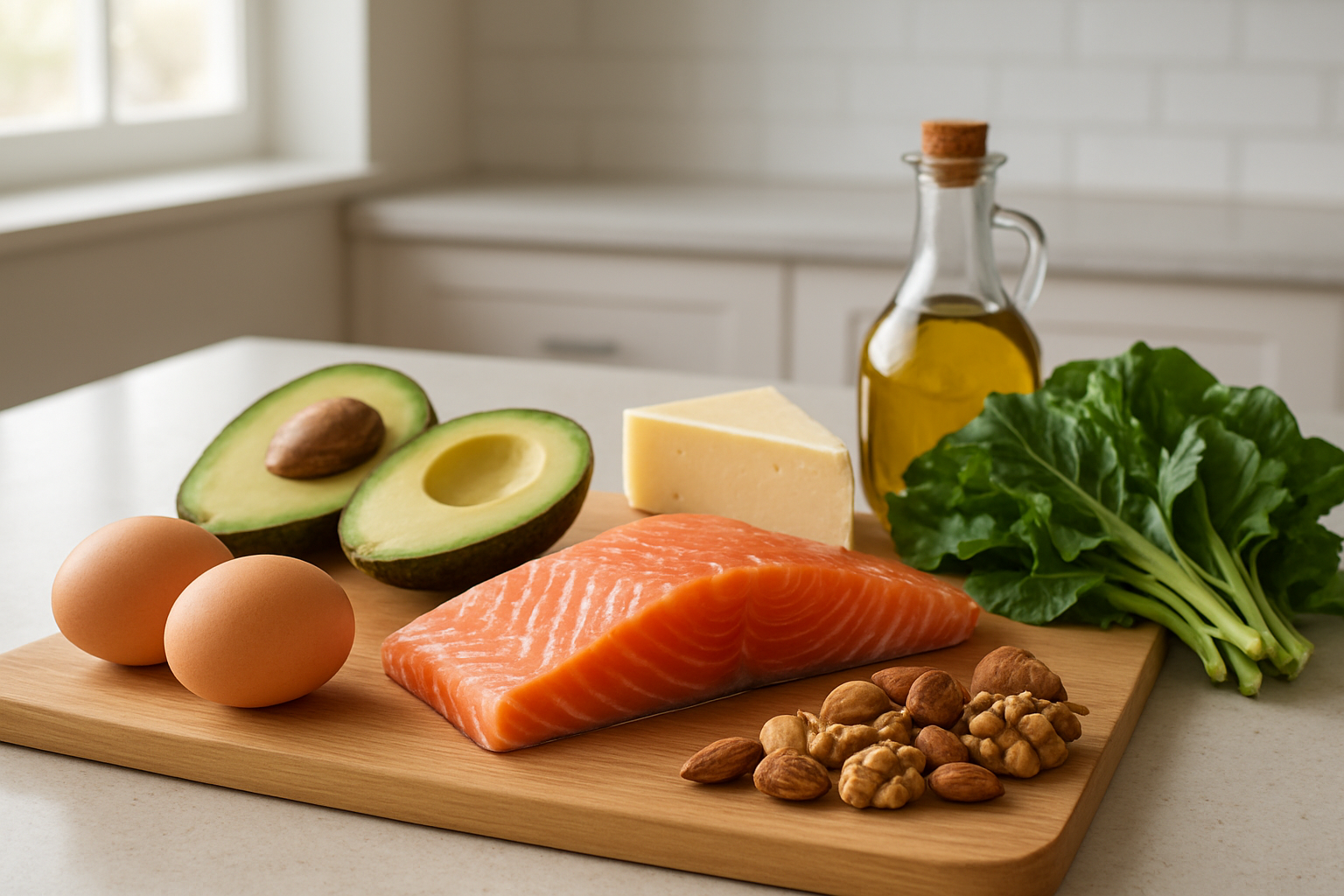
Ketosis is your body’s metabolic superpower that kicks in when carbohydrates become scarce. Think of it as flipping a biological switch that changes your primary fuel source from glucose to fat. When you drastically reduce carb intake to 20-50 grams daily, your liver starts producing ketones from stored fat and dietary fat. These ketones become your brain’s preferred energy source, delivering steady mental clarity without the blood sugar rollercoaster.
Your body becomes incredibly efficient at burning fat for fuel in this state. Insulin levels drop dramatically, which unlocks fat stores that were previously locked away. This metabolic shift typically takes 3-7 days to achieve, during which your body adapts to using fat as its primary energy source. The beauty of ketosis lies in its self-sustaining nature – the more fat you burn, the more ketones you produce, creating a continuous cycle of fat oxidation.
Athletes often report enhanced endurance and mental focus once fat-adapted. Your muscle glycogen still gets used during high-intensity efforts, but your body becomes expert at preserving it while relying on the virtually unlimited fat stores for longer, steady-state activities.
The Science Behind Low-Carb, High-Fat Eating
The ketogenic approach works by manipulating your body’s primary metabolic pathways. When carbohydrate availability drops below 50 grams daily, your body exhausts its glycogen stores within 24-48 hours. This depletion triggers gluconeogenesis – the process where your liver creates glucose from non-carbohydrate sources like amino acids and glycerol.
Simultaneously, your liver ramps up ketone production through beta-oxidation of fatty acids. These ketones – acetoacetate, beta-hydroxybutyrate, and acetone – cross the blood-brain barrier and provide an alternative fuel that’s actually more efficient than glucose. Your brain gets 70% of its energy from ketones while in deep ketosis.
The metabolic flexibility gained from keto adaptation allows your body to seamlessly switch between fuel sources. Your cells develop more mitochondria and become better at fat oxidation. This cellular adaptation explains why many people experience improved energy levels and mental clarity after the initial adjustment period.
Research shows that ketogenic eating can improve insulin sensitivity, reduce inflammation markers, and optimize hormone production. The high-fat intake supports the production of crucial hormones like testosterone and growth hormone, which are essential for muscle building and recovery.
Key Macronutrient Ratios That Drive Results
Success on keto depends on hitting specific macronutrient targets that maintain ketosis while supporting your fitness goals. The standard ketogenic ratio breaks down to:
| Macronutrient | Percentage | Daily Grams (2000 cal diet) |
|---|---|---|
| Fat | 70-80% | 155-178g |
| Protein | 15-25% | 75-125g |
| Carbohydrates | 5-10% | 20-50g |
Fat becomes your primary calorie source, but quality matters enormously. Focus on saturated fats from grass-fed sources, monounsaturated fats like olive oil and avocados, and omega-3 rich options like fatty fish. These fats support hormone production and provide steady energy without spiking insulin.
Protein intake requires careful calibration. Too little compromises muscle maintenance and recovery, while excessive amounts can kick you out of ketosis through gluconeogenesis. Active individuals typically thrive on 0.8-1.2 grams per pound of lean body mass. Timing protein around workouts maximizes muscle protein synthesis while maintaining ketosis.
Carbohydrate quality becomes crucial when working with such small amounts. Prioritize nutrient-dense, fibrous vegetables like spinach, broccoli, and cauliflower. These provide essential micronutrients and fiber while keeping net carbs minimal. Many athletes use targeted or cyclical approaches, strategically timing small amounts of carbs around intense training sessions to fuel performance while maintaining the metabolic benefits of ketosis.
Tracking these ratios initially helps establish patterns, but experienced keto dieters often develop an intuitive sense for maintaining the right balance based on ketone levels, energy, and performance markers.
Essential Foods That Power Your Keto Journey
High-Quality Fats That Fuel Peak Performance
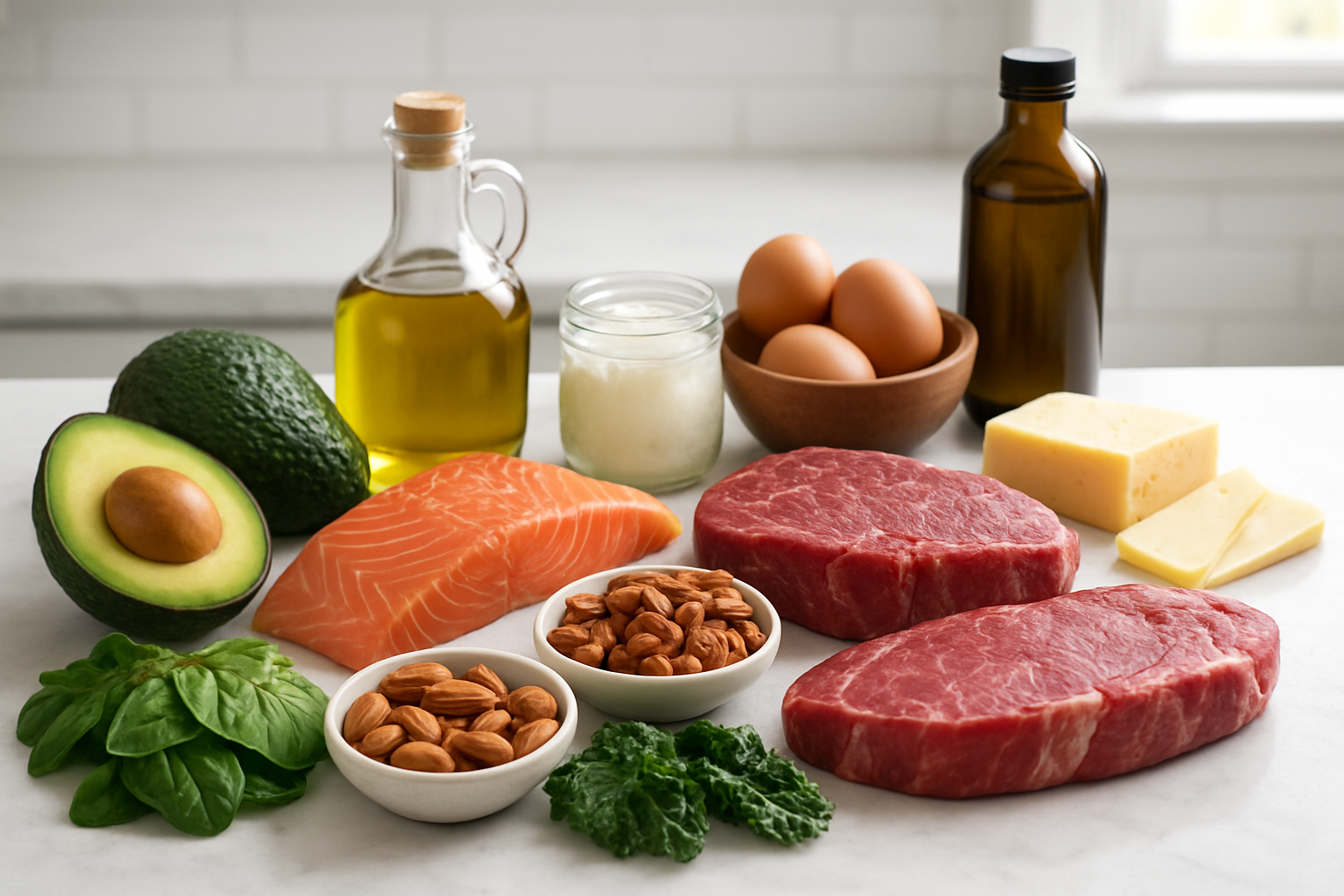
Your body’s new primary fuel source requires the right types of fats to maintain energy levels and support athletic performance. Avocados top the list with their perfect blend of monounsaturated fats and potassium, making them ideal for post-workout recovery. Include olive oil, coconut oil, and MCT oil in your daily rotation – these provide quick energy conversion and support ketone production.
Nuts and seeds pack both healthy fats and essential minerals. Almonds, walnuts, macadamia nuts, and pumpkin seeds offer sustained energy while supporting muscle function. Fatty fish like salmon, sardines, and mackerel deliver omega-3 fatty acids that reduce inflammation and enhance recovery time.
Grass-fed butter and ghee provide clean sources of saturated fats that your brain and muscles crave during ketosis. These fats help maintain hormone production and cellular function, both critical for athletic performance.
Complete Protein Sources for Muscle Preservation
Maintaining muscle mass on keto requires strategic protein choices that won’t kick you out of ketosis. Grass-fed beef, wild-caught fish, and pasture-raised eggs provide complete amino acid profiles without excess carbohydrates. These proteins support muscle repair and growth while keeping your macros in check.
Poultry options like chicken thighs and turkey offer excellent protein-to-fat ratios. Choose darker cuts over lean breasts to maintain your fat intake goals. Organ meats like liver pack incredible nutrition density with minimal carbs.
Plant-based options include hemp seeds, chia seeds, and moderate amounts of nuts. While these contain some carbs, they provide essential amino acids for vegetarian keto followers. Quality protein powder made from whey, collagen, or pea protein can bridge gaps in your daily intake without disrupting ketosis.
Low-Carb Vegetables That Maximize Nutrition
Vegetables play a crucial role in providing micronutrients while keeping carbs low. Leafy greens like spinach, kale, and arugula offer vitamins A, C, and K plus folate and iron. These powerhouse vegetables contain less than 2 grams of net carbs per cup.
Cruciferous vegetables including broccoli, cauliflower, and Brussels sprouts provide fiber, antioxidants, and compounds that support liver detoxification. Asparagus, zucchini, and bell peppers add variety while delivering essential nutrients.
| Vegetable | Net Carbs (per 100g) | Key Nutrients |
|---|---|---|
| Spinach | 1.4g | Iron, Vitamin K |
| Broccoli | 4.0g | Vitamin C, Fiber |
| Avocado | 1.8g | Potassium, Folate |
| Cauliflower | 2.8g | Vitamin C, Choline |
Fermented vegetables like sauerkraut and kimchi support gut health while providing probiotics. These foods enhance nutrient absorption and may improve athletic recovery.
Foods to Eliminate for Optimal Ketosis
Success on keto requires removing foods that spike blood sugar and prevent fat burning. All grains including wheat, rice, oats, and quinoa must go – even small amounts can disrupt ketosis for hours or days.
Sugar in all forms blocks ketone production immediately. This includes obvious sources like candy and soda, plus hidden sugars in sauces, dressings, and processed foods. Read labels carefully and avoid anything with more than 2-3 grams of sugar per serving.
Most fruits contain too many carbs for ketosis, especially bananas, apples, and grapes. Stick to small portions of berries occasionally. Starchy vegetables like potatoes, corn, and carrots will quickly exceed your daily carb limit.
Legumes including beans, lentils, and chickpeas pack too many carbs despite their protein content. Even “healthy” whole grains and low-fat dairy products can prevent ketosis due to their carb content. Focus on full-fat dairy options in moderation instead.
Maximizing Athletic Performance on Keto
How Keto Enhances Endurance and Energy Levels
The ketogenic diet transforms your body into a fat-burning machine, which can revolutionize your athletic performance. When you’re in ketosis, your body runs on ketones instead of glucose, providing a more stable and sustained energy source. Unlike the sugar highs and crashes from carb-heavy diets, ketones deliver steady energy that lasts for hours.
Athletes often report feeling more energized during long training sessions once they become fat-adapted. This process typically takes 2-6 weeks, during which your body learns to efficiently burn fat for fuel. The payoff is significant: your glycogen stores become secondary, and your virtually unlimited fat stores become your primary energy source.
Endurance athletes particularly benefit from this metabolic switch. While your muscles can only store about 2,000 calories worth of carbohydrates, even lean athletes carry over 40,000 calories in fat stores. This massive energy reservoir means you can train longer without hitting the dreaded “wall” that comes from glycogen depletion.
Timing Your Workouts for Best Results
Strategic workout timing on keto can make or break your performance. Early morning fasted workouts often work best because your body has already been burning fat overnight, making the transition to exercise seamless. Your ketone levels are typically highest in the morning, providing clean, efficient fuel for your training.
Post-meal workouts require more careful planning. Wait at least 2-3 hours after eating to allow your body to return to ketosis if you’ve consumed any carbs. Many keto athletes prefer evening workouts, as they’ve had all day to maintain stable ketone levels.
Consider your workout intensity when timing sessions. High-intensity interval training (HIIT) and heavy lifting may temporarily kick you out of ketosis due to increased glucose demands. Schedule these sessions when you can handle a brief metabolic shift, and plan your nutrition accordingly.
| Workout Type | Best Timing | Ketone Impact |
|---|---|---|
| Steady Cardio | Morning fasted | Maintains ketosis |
| HIIT | Mid-morning | Temporarily reduces |
| Weight Training | Evening | Minimal impact |
| Long Endurance | Morning | Enhances fat burning |
Pre and Post-Workout Nutrition Strategies
Pre-workout nutrition on keto focuses on maintaining ketosis while providing quick energy. MCT oil stands out as the gold standard, converting rapidly to ketones for immediate fuel. Take 1-2 tablespoons 30-60 minutes before training for optimal results.
Electrolytes become crucial on keto since you lose more sodium, potassium, and magnesium. Create a pre-workout drink with sea salt, potassium powder, and magnesium to prevent cramping and maintain performance. Many athletes add a small amount of exogenous ketones for an extra energy boost.
Post-workout recovery requires a different approach than traditional carb-loading. Focus on high-quality proteins and healthy fats to support muscle recovery while maintaining ketosis. A post-workout meal might include grass-fed beef, avocado, and leafy greens, providing essential amino acids and micronutrients without disrupting your metabolic state.
Hydration becomes even more critical post-exercise. Keto’s natural diuretic effect means you need to replace fluids and electrolytes more aggressively than carb-eating athletes. Bone broth makes an excellent recovery drink, providing both hydration and essential minerals.
Building Lean Muscle While in Ketosis
Building muscle on keto requires strategic protein intake and smart training protocols. Aim for 1.2-1.6 grams of protein per pound of body weight, focusing on complete proteins that provide all essential amino acids. Quality matters more than quantity – choose grass-fed meats, wild-caught fish, and pastured eggs.
Resistance training becomes your best friend for muscle growth in ketosis. Compound movements like squats, deadlifts, and bench presses stimulate maximum muscle fiber recruitment. Keep rest periods longer between sets (2-3 minutes) to allow your fat-burning metabolism to catch up with energy demands.
Progressive overload remains the key principle for muscle growth, regardless of diet. Track your lifts and gradually increase weight, reps, or training volume over time. Your muscles don’t care whether they’re fueled by carbs or ketones – they respond to consistent stimulus and adequate recovery.
Sleep and stress management become even more important for muscle building on keto. Poor sleep disrupts both ketosis and muscle protein synthesis. Aim for 7-9 hours of quality sleep and consider magnesium supplementation to improve both sleep quality and muscle recovery.
Recovery nutrition should emphasize protein timing around workouts. While the “anabolic window” isn’t as narrow as once believed, having protein within 2 hours of training supports optimal muscle protein synthesis while maintaining your ketogenic state.
Navigating Common Challenges and Side Effects
Beating the Keto Flu with Smart Strategies
The dreaded keto flu hits most people within the first week of starting their ketogenic journey. Your body rebels against the sudden carb restriction with headaches, fatigue, brain fog, and irritability. This temporary discomfort happens because your body is switching from burning glucose to burning fat for fuel.
Stay ahead of keto flu by increasing your salt intake to 2-3 grams daily. Add a pinch of high-quality sea salt to your water or sip bone broth throughout the day. Your kidneys flush out more sodium when carbs drop, so replacing it prevents many flu-like symptoms.
Hydration becomes your best friend during this transition. Drink at least half your body weight in ounces of water daily, and consider adding a sugar-free electrolyte supplement. Many people underestimate how much extra water their body needs during ketosis.
Start your keto diet on a weekend or during downtime. Your energy levels will fluctuate, and having flexibility in your schedule helps you rest when needed. Light walking or gentle yoga can actually help reduce symptoms by improving circulation and mood.
Sleep quality matters more than ever during this adjustment period. Aim for 7-9 hours nightly and avoid screens before bed. Your body works hard to adapt its metabolic machinery, and adequate rest speeds up the process significantly.
Managing Electrolyte Balance for Optimal Function
Electrolyte management separates successful keto dieters from those who struggle with constant fatigue and cramping. When carbohydrates drop, your kidneys release stored water along with essential minerals, creating an imbalance that affects everything from muscle function to mental clarity.
Sodium requirements jump dramatically on keto. Most people need 3,000-5,000mg daily, which sounds scary until you realize that processed foods normally provide this amount. Since keto eliminates most processed foods, you must actively add sodium through sea salt, pickles, or electrolyte drinks.
| Electrolyte | Daily Target | Best Food Sources | Supplement Options |
|---|---|---|---|
| Sodium | 3,000-5,000mg | Sea salt, bone broth, pickles | Pink Himalayan salt |
| Potassium | 3,500-4,700mg | Avocado, spinach, salmon | Potassium chloride |
| Magnesium | 300-400mg | Dark leafy greens, nuts | Magnesium glycinate |
Potassium deficiency causes muscle cramps, weakness, and heart palpitations. Avocados pack about 1,000mg per fruit, while a cup of cooked spinach delivers 840mg. Supplements help, but whole foods absorb better and provide additional nutrients.
Magnesium supports over 300 enzymatic reactions in your body. Low levels trigger restless legs, poor sleep, and anxiety. Choose magnesium glycinate for better absorption and fewer digestive issues compared to cheaper forms like magnesium oxide.
Overcoming Energy Dips During Transition
Energy crashes during the first few weeks of keto frustrate even the most dedicated fitness enthusiasts. Your body essentially learns a new language at the cellular level, and this education process takes time and patience.
The transition typically follows a predictable pattern. Days 1-3 bring mild fatigue as glycogen stores deplete. Days 4-10 often feel the worst, with significant energy drops and workout performance declining by 20-30%. Week 2-4 marks gradual improvement, while weeks 4-6 usually restore and often exceed previous energy levels.
MCT oil becomes a secret weapon during this period. Start with one teaspoon daily and gradually increase to one tablespoon. Medium-chain triglycerides convert quickly to ketones, providing immediate fuel for your brain and muscles without affecting blood sugar.
Adjust your workout intensity during the first month. Replace high-intensity interval training with steady-state cardio. Lift lighter weights with higher repetitions. Your muscles store less glycogen on keto, so they need time to adapt to using fat and ketones efficiently.
Timing matters for both food and exercise. Train in a fed state during your first month rather than fasting. Have a small amount of protein and fat 30-60 minutes before workouts. This strategy maintains energy levels while your fat-adaptation process continues developing.
Strategic carb timing can help serious athletes maintain performance. Consuming 15-30g of carbs around intense training sessions provides fuel without disrupting ketosis long-term. This approach, called targeted ketogenic diet, bridges the gap between energy needs and metabolic adaptation.
Tracking Progress and Measuring Success

Monitoring Ketone Levels for Optimal Results
Your ketone levels tell you exactly how well your body is burning fat for fuel. Three main types of ketones exist in your system: beta-hydroxybutyrate (found in blood), acetoacetate (found in urine), and acetone (found in breath). Each offers different insights into your metabolic state.
Blood ketone meters provide the most accurate readings, measuring beta-hydroxybutyrate levels between 0.5-3.0 mmol/L for nutritional ketosis. Testing first thing in the morning gives you a baseline, while afternoon measurements show how your body responds to meals and activities.
Urine strips offer a budget-friendly alternative but become less reliable as your body adapts to ketosis. Your kidneys stop wasting ketones after several weeks, making strips show lower readings even when you’re in deep ketosis. Breath meters measure acetone and provide consistent results without ongoing costs for test strips.
| Testing Method | Accuracy | Cost | Best For |
|---|---|---|---|
| Blood | Highest | $1-3 per test | Precise monitoring |
| Urine | Variable | $0.25 per strip | Beginners |
| Breath | Moderate | One-time device cost | Daily tracking |
Ketone levels naturally fluctuate throughout the day based on exercise, stress, sleep quality, and meal timing. Don’t chase perfect numbers – consistency matters more than hitting specific targets every single time.
Body Composition Changes Beyond the Scale
The scale can be your worst enemy during keto adaptation. Your body undergoes dramatic changes that weight alone cannot capture. Water weight drops rapidly in the first week as glycogen stores deplete, but this initial loss doesn’t reflect fat burning progress.
Body measurements reveal the real story. Waist circumference, hip measurements, and clothing fit provide better indicators of fat loss. Many people lose inches while maintaining stable weight as muscle mass increases or becomes more defined. Taking progress photos from multiple angles captures visual changes the mirror might miss.
Body fat percentage offers the clearest picture of composition changes. DEXA scans, bioelectrical impedance scales, or skinfold calipers help track fat loss versus muscle preservation. Keto’s protein-sparing effects often maintain or increase lean mass while reducing fat stores.
Energy levels, mental clarity, and physical performance serve as qualitative measures of success. Many report sustained energy without afternoon crashes, improved focus during work tasks, and better recovery between workouts. Sleep quality often improves as blood sugar stabilizes.
Track multiple metrics weekly rather than obsessing over daily fluctuations:
- Weekly weigh-ins at the same time
- Monthly body measurements
- Quarterly body composition analysis
- Daily energy and mood assessments
Long-Term Health Benefits You Can Expect
Keto’s metabolic effects extend far beyond weight management. Blood sugar stability represents one of the most significant improvements, with many experiencing reduced glucose spikes and improved insulin sensitivity within weeks. Type 2 diabetics often see dramatic improvements in HbA1c levels and may reduce medication needs under medical supervision.
Cardiovascular health markers frequently improve despite increased fat intake. HDL cholesterol typically rises while triglycerides drop significantly. LDL particle size often shifts from small, dense particles to larger, less atherogenic ones. Blood pressure commonly decreases as insulin levels normalize and inflammation reduces.
Neurological benefits emerge as your brain efficiently uses ketones for fuel. Many report enhanced mental clarity, improved memory, and reduced brain fog. Research suggests ketosis may protect against neurodegenerative diseases and support cognitive longevity.
Inflammatory markers like C-reactive protein often decrease on well-formulated ketogenic diets. This reduction may contribute to improved joint health, reduced autoimmune symptoms, and better overall recovery from exercise and daily stressors.
Hormonal balance tends to improve, particularly for women with PCOS or metabolic syndrome. Insulin sensitivity improvements can restore regular menstrual cycles and reduce androgen levels. Men often experience better testosterone profiles and improved body composition.
Digestive health may improve as processed foods are eliminated and gut bacteria adapt to the new fuel sources. Many report reduced bloating, more regular bowel movements, and decreased food cravings as appetite hormones rebalance.
These benefits compound over months and years, making keto a sustainable lifestyle rather than a short-term diet solution.

The keto diet transforms how your body burns fuel by shifting from carbs to fat for energy. This eating approach centers on high-fat, moderate-protein, and very low-carb foods that push your body into ketosis. For fitness enthusiasts, the diet can boost endurance and provide steady energy once you get past the initial adjustment phase. You’ll need to stock up on healthy fats, quality proteins, and low-carb vegetables while staying aware of potential side effects like the keto flu.
Success with keto requires patience and careful tracking of your progress. Monitor your ketone levels, energy changes, and workout performance to see how your body responds. Remember that everyone adapts differently, so give yourself time to adjust and don’t hesitate to tweak your approach as needed. Start slowly, stay hydrated, and focus on whole foods to make your keto journey both effective and sustainable.