June 1, 2025
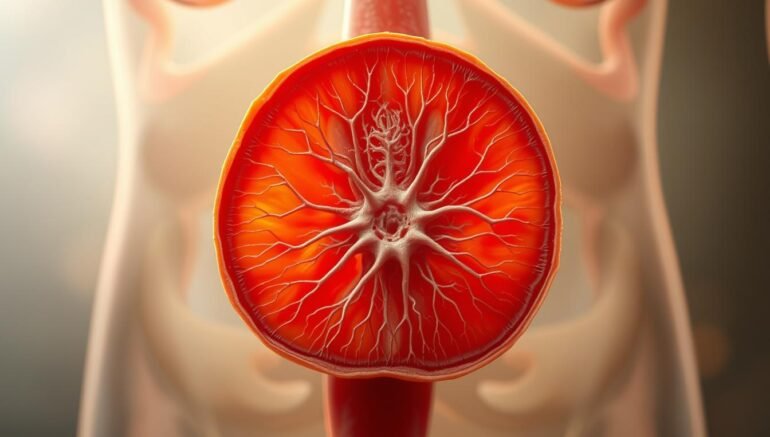
Did you know that 1 in 8 men will get prostate cancer? The prostate is a small gland that’s key for men’s reproductive health. It’s shaped like a walnut and sits below the bladder and in front of the rectum.
Keeping the prostate healthy is important for overall well-being. As men get older, the prostate can cause problems. Knowing about the prostate helps men and their families stay healthy.
Key Takeaways
- The prostate is a vital gland in the male reproductive system.
- Prostate health is crucial for overall men’s health.
- Prostate issues can range from benign enlargement to cancer.
- Understanding the prostate can help men take proactive health steps.
- Family support is essential for men’s prostate health.
What is the Prostate and What Does it Do?
The prostate gland is key to the male reproductive system. It’s important for both urinary and reproductive health. It’s located below the bladder and in front of the rectum, about the size of a walnut.
Anatomy and Location
The prostate is in a special spot in the male pelvis. It surrounds the urethra, which carries urine from the bladder to the penis. Its anatomy is closely linked to its function. The gland has different cells and tissues that work together to support its role.
Function in the Male Reproductive System
The prostate’s main job is to make seminal fluid. This fluid nourishes and protects sperm. It combines with sperm from the testes and other fluids to make semen. The prostate’s role is vital for male fertility, ensuring sperm are healthy and can fertilize an egg.
- Produces seminal fluid to nourish and protect sperm
- Supports the process of ejaculation
- Plays a key role in male fertility
The Importance of Prostate Health Throughout Life
It’s key to know how your prostate changes as you get older. Your prostate grows and changes with age. These changes can affect how well it works and your overall health.
Age-Related Changes
The prostate gland grows as men age. This can lead to benign prostatic hyperplasia (BPH) or an enlarged prostate. Craft Body Scan says the risk of prostate enlargement and cancer goes up after 50. It’s important to keep an eye on these changes to stay healthy.
Risk Factors for Prostate Issues
There are things that can make you more likely to have prostate problems. Family history, ethnicity, and lifestyle are some of them. Men with a family history of prostate cancer or who are African American face higher risks. Lifestyle factors, like diet and exercise, also matter a lot for prostate health. Knowing these risks can help you stay proactive about your prostate health.
Common Prostate Conditions
The prostate gland can face several issues, like benign prostatic hyperplasia, prostatitis, and prostate cancer. Knowing about these is key to keeping the prostate healthy.
Benign Prostatic Hyperplasia (BPH)
Benign Prostatic Hyperplasia (BPH) is when the prostate gets bigger but isn’t cancerous. It’s common in older men and can make it hard to pee. Symptoms include weak urine flow and needing to pee a lot. Luckily, there are ways to ease these symptoms.
Prostatitis
Prostatitis is inflammation of the prostate gland, often from a bacterial infection. It can cause pain when you pee and make you pee a lot. It can be short-term or long-lasting, and treatment depends on the cause.
Prostate Cancer
Prostate cancer is a common cancer in men, especially as they get older. It happens when prostate cells grow out of control. Catching it early is key to treating it well. Risk factors include age, family history, and ethnicity.
Some important facts about prostate cancer include:
- Over 50,000 men in the UK are diagnosed with prostate cancer each year.
- Most cases are found in men over 65.
- Having a family history of prostate cancer raises your risk.
Recognizing the Signs and Symptoms of Prostate Issues
Men should watch for signs of prostate problems. Early treatment can greatly help. Prostate issues can affect many areas of a man’s health.
Recognizing Warning Signs
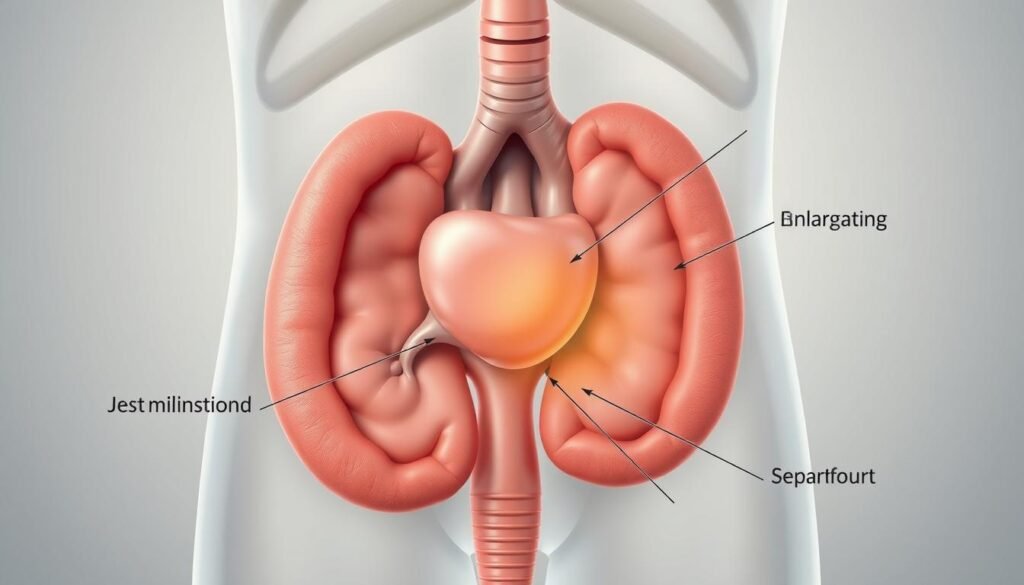
It’s key to catch prostate issues early. Look out for frequent urination, weak urine flow, and pain during ejaculation. Other signs include trouble starting or stopping urination, painful urination, or blood in urine or semen.
Knowing these signs early can lead to better treatment. Craft Body Scan says early detection is crucial for good outcomes.
When to Consult a Healthcare Provider
If you notice any symptoms, see a healthcare provider. They can run tests to find out what’s wrong.
A healthcare provider can explain your condition and suggest treatments. Don’t delay if you’re worried about your prostate health.
| Symptom | Possible Prostate Issue | Action |
|---|---|---|
| Frequent Urination | Benign Prostatic Hyperplasia (BPH) | Consult a healthcare provider |
| Pain during Ejaculation | Prostatitis | Seek medical evaluation |
| Weak Urine Flow | BPH or Prostate Cancer | Schedule a diagnostic test |
Diagnostic Tests and Procedures
Checking prostate health involves many tests and procedures. These help doctors find problems early, when they are easier to treat. This ensures you get the right care.
Digital Rectal Examination (DRE)
A Digital Rectal Examination (DRE) is a key test for prostate health. A doctor puts a gloved, lubricated finger in the rectum to feel the prostate. They look for lumps or unusual hardness.
This test is important for finding prostate cancer and other issues.
Prostate-Specific Antigen (PSA) Test
The Prostate-Specific Antigen (PSA) test checks PSA levels in your blood. High levels might mean prostate cancer, prostatitis, or BPH. But, it’s not the only test needed.
It’s best used with other tests, like DRE, to get a full picture of prostate health.
Advanced Diagnostic Methods
For a closer look, doctors use advanced tests. These include:
- Transrectal Ultrasound (TRUS): Uses sound waves to create images of the prostate.
- Prostate Biopsy: Removes small tissue samples from the prostate for examination.
- MRI (Magnetic Resonance Imaging): Gives detailed images of the prostate and nearby tissues.
These tests help doctors diagnose prostate issues more accurately. They also help decide on the best treatment.
Prevention and Proactive Health Measures
Keeping your prostate healthy starts with making smart choices. By changing your lifestyle, you can lower your risk of prostate problems.
Dietary Recommendations
Eating well is key to a healthy prostate. Focus on fruits, veggies, and healthy fats. Tomatoes, cruciferous vegetables, and foods rich in omega-3 fatty acids are great choices. Adding these to your meals can help keep your prostate in top shape.
Exercise and Weight Management
Staying active and at a healthy weight is important. Exercise boosts your overall health and cuts down prostate risks. Try to mix cardio and strength training in your routine.
Regular Screenings and Check-ups
Don’t skip your health check-ups and screenings. They help catch problems early. Talk to your doctor about when you should get screened, based on your health and family history.

Living with Prostate Conditions
Living with prostate issues means more than just medical treatment. It also involves making lifestyle changes and seeking emotional support. You’ll need to explore different treatment options and strategies to keep your life quality high.
Treatment Options and Management
It’s key to understand your treatment choices. You might have options like active surveillance, medication, surgery, or radiation therapy. Your doctor will pick the best one for you, based on your condition and health.
For example, men with prostate cancer might not need treatment right away. They might just be watched closely. Making healthy lifestyle choices, like eating right and staying active, is also important.
Emotional and Psychological Impact
Prostate conditions can deeply affect men and their families emotionally and psychologically. Anxiety, depression, and fear are common feelings. It’s important to recognize these feelings and seek help when needed.
“The emotional toll of a prostate diagnosis should not be underestimated,” says a healthcare expert. Support from family, friends, support groups, or counselors can really help.
Support Resources for Men and Families
Having access to support is crucial for men and their families dealing with prostate issues. This includes educational materials, support groups, and counseling. Organizations focused on prostate health provide valuable help and community.
By using these resources and staying informed, you can handle the challenges of prostate conditions better. This will improve your overall well-being.
Conclusion
Knowing about the prostate and its health is key for you and your family. It’s important to understand the prostate’s role and the issues it can face. This knowledge helps you take care of your prostate health.
Keeping an eye on your health, making healthy choices, and knowing about prostate problems can greatly improve your well-being. Learning about tests like the Prostate-Specific Antigen (PSA) test is important. Also, eating right and exercising can help support your health.
By staying informed and getting medical advice when needed, you can lower the risk of prostate problems. Taking care of your prostate health is crucial for your overall well-being. This way, you can live a better life.
FAQ
What is the prostate gland and where is it located?
The prostate gland is a small gland in the male body. It’s about the size of a walnut. It’s found below the bladder and in front of the rectum. It helps make seminal fluid and supports ejaculation.
What are the common prostate conditions that men should be aware of?
Men should know about Benign Prostatic Hyperplasia (BPH), prostatitis, and prostate cancer. These issues can cause urinary problems, pain, and discomfort.
What are the symptoms of an enlarged prostate or BPH?
Symptoms of BPH include trouble starting or stopping urination. You might also have a weak or interrupted flow. Frequent urination and waking up at night to pee are common too.
How is prostate cancer diagnosed?
Doctors use a digital rectal exam (DRE), PSA test, and biopsy to find prostate cancer. They might also use imaging tests to see how far the cancer has spread.
What are the benefits of a healthy diet for prostate health?
Eating fruits, vegetables, and whole grains is good for your prostate. Foods rich in antioxidants and omega-3 fatty acids can help fight inflammation. This might lower your risk of prostate problems.
How often should men get screened for prostate cancer?
How often you should get screened depends on your risk factors. These include your age, family history, and ethnicity. Talk to your doctor to figure out the right schedule for you.
What are the treatment options for prostate conditions?
Treatment options vary based on the condition and how severe it is. They might include medications, lifestyle changes, surgery, or other treatments. Work with your doctor to find the best plan for you.
How can men manage the emotional and psychological impact of prostate conditions?
Men can get support from doctors, family, and support groups. Staying healthy and informed can also help. Engage in healthy habits and take care of your overall well-being.