
May 8, 2025
If you’re one of the many women who experience recurring urinary tract infections (UTIs), you know how frustrating they can be.
Research on diet and UTIs is limited. But some studies suggest that certain foods might help prevent these infections.
Knowing how your diet affects your risk of UTIs is key. It can help you manage and prevent these infections.
Key Takeaways
- Certain dietary patterns may help prevent UTIs.
- Adequate hydration is key for urinary tract health.
- Dietary changes can be a valuable addition to traditional UTI treatment.
- Some foods may be more beneficial than others in preventing UTIs.
- A well-balanced diet is essential for overall urinary health.
Understanding Recurring UTIs
For those dealing with recurring UTIs, knowing how diet, hydration, and urinary health work together is key. These infections can really affect your life, so it’s important to find out why they happen and how to stop them.
What Causes Frequent UTIs
Frequent UTIs come from a mix of things like bacteria, health issues, and lifestyle. Some bacteria are more likely to cause UTIs in certain people.
| Factor | Impact on UTI Risk |
|---|---|
| Bacterial Strains | Some strains are more virulent and prone to causing UTIs. |
| Dietary Choices | A vegetarian diet has been linked to a lower risk of developing UTIs. |
| Hydration Levels | Increasing water intake can help reduce UTI occurrence in certain populations. |
The Role of Diet and Hydration in UTI Prevention
Diet and hydration are key in stopping UTIs. Drinking more water is often advised to help prevent UTIs. Also, eating a vegetarian diet might lower your UTI risk.
By learning about recurring UTIs and taking steps like changing your diet and drinking more, you can lower your risk of getting these infections.
Recurring UTIs? Here's How Diet and Hydration Can Help
Your diet and how much you drink are key to fighting off UTIs. What you eat and drink can either help or hurt your chances of getting a urinary tract infection.
The Science Behind Diet's Impact on Urinary Health
Studies show that some foods can affect your urinary health. For example, cranberry products might help prevent UTIs, but more research is needed. Eating too much sugar and processed foods can actually raise your risk of UTIs.
How Hydration Affects Bacterial Colonization
Drinking enough water is vital to keep bacteria out of your urinary tract. If you don’t drink enough, bacteria can easily take hold, causing UTIs. Drinking plenty of water is a simple yet powerful way to fight off UTIs.
By choosing wisely what you eat and drink, you can lower your chances of getting UTIs again.
Hydration Strategies for UTI Prevention
Staying hydrated is a simple and effective way to lower UTI risk. Drinking water helps flush out bacteria from the urinary tract. This reduces the chance of infection.
Optimal Daily Water Intake Goals
The right amount of water varies by age, sex, and activity level. Aim for at least eight 8-ounce glasses of water daily.
Strategic Timing of Fluid Consumption
It’s not just about how much you drink. When you drink matters too. Drinking fluids throughout the day keeps hydration levels steady.
Monitoring Your Hydration Status
Check if you’re hydrated by looking at your urine color. It should be pale yellow. Dark yellow or amber means you’re dehydrated.
| Hydration Tip | Description | Benefit |
|---|---|---|
| Drink water regularly | Spread out your water intake throughout the day | Maintains consistent hydration levels |
| Monitor urine color | Check the color of your urine to gauge hydration | Helps ensure you’re drinking enough water |
| Avoid diuretics | Limit consumption of caffeine and alcohol | Reduces risk of dehydration |
By following these hydration tips, you can lower UTI risk and boost urinary health.
Beneficial Beverages for UTI Prevention
Adding certain drinks to your daily routine can lower UTI risk. Staying hydrated is key for urinary health. Some drinks offer extra benefits.
Water: Your Primary Prevention Tool
Water is vital for preventing UTIs. Drinking enough water helps flush out bacteria from the urinary tract. This lowers infection risk. Drink at least eight glasses a day, adjusting for your activity and climate.
Cranberry Juice: Evidence-Based Benefits
Cranberry juice is well-studied for UTI prevention. The proanthocyanidins in cranberry juice may stop bacteria from sticking to bladder walls. This reduces UTI risk. Choose unsweetened cranberry juice to avoid sugar.
Herbal Teas and Other Supportive Drinks
Some herbal teas, like urolithin A-rich tea, support urinary health. Green tea and coconut water also help with hydration and offer health perks.
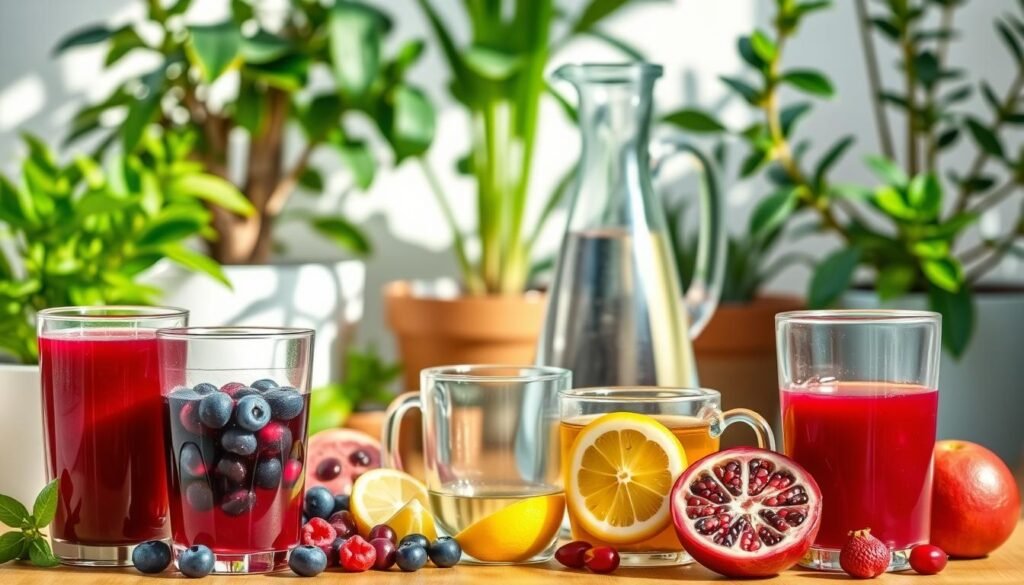
Drinking these beverages is part of a good UTI prevention plan. “Drinking cranberry juice may help prevent UTIs by preventing bacterial adherence to the bladder cells,” a study found.
Beverages to Avoid with Recurring UTIs
What you drink can really affect your urinary health, if you often get UTIs. Some drinks help prevent UTIs, but others can make your bladder upset. Knowing which drinks to skip is key to managing UTIs.
Caffeine and Alcohol: Impact on Bladder Health
Caffeine and alcohol can harm your bladder. They make you pee more and can irritate your bladder lining. Caffeine in coffee, tea, and some sodas can make UTI symptoms worse. Alcohol can also irritate your bladder and mess with your body’s defenses against infection.
Sugar-Sweetened and Artificial Beverages
Drinks with lots of sugar or artificial sweeteners are bad for your urinary health. Sugar-sweetened beverages like soda and sports drinks can increase UTI risk by growing bacteria. Even sugar-free drinks with artificial sweeteners can irritate your bladder.
Acidic Drinks That May Trigger Symptoms
Some acidic drinks can make UTI symptoms worse. Drinks like orange and grapefruit juice, and tomato-based drinks, can irritate your bladder. This makes UTI symptoms more uncomfortable.
To understand how different drinks affect UTI symptoms, look at this comparison:
| Beverage Type | Potential Impact on UTI Symptoms | Recommendation |
|---|---|---|
| Caffeine-containing drinks | Irritates bladder, increases urination frequency | Limit or avoid |
| Alcoholic beverages | Irritates bladder, disrupts natural defenses | Consume in moderation or avoid |
| Sugar-sweetened beverages | Promotes bacterial growth | Avoid |
| Artificially sweetened drinks | May irritate bladder | Limit or avoid |
| Acidic drinks (citrus, tomato-based) | Irritates bladder, worsens symptoms | Consume in moderation or avoid |
Foods That Help Prevent UTIs
Eating the right foods can help prevent UTIs. A good UTI diet plan supports urinary health. It also lowers the risk of infections.
Antioxidant-Rich Foods for Urinary Health
Antioxidant-rich foods are key for urinary health. Foods like berries, leafy greens, and fruits and vegetables fight oxidative stress and inflammation.
Some foods that support urinary health include:
- Cranberries
- Blueberries
- Spinach
- Kale
Probiotic Foods That Support Healthy Flora
Probiotics keep gut flora healthy, which is good for urinary health. Adding probiotic-rich foods to your diet for UTIs can prevent infections.
| Probiotic Food | Benefit |
|---|---|
| Yogurt | Rich in Lactobacillus acidophilus |
| Kefir | Diverse probiotic strains |
| Sauerkraut | High in beneficial bacteria |
Immune-Boosting Foods to Fight Infection
Immune-boosting foods help fight infections, including UTIs. Foods high in vitamins C and D, zinc, and other nutrients are helpful.
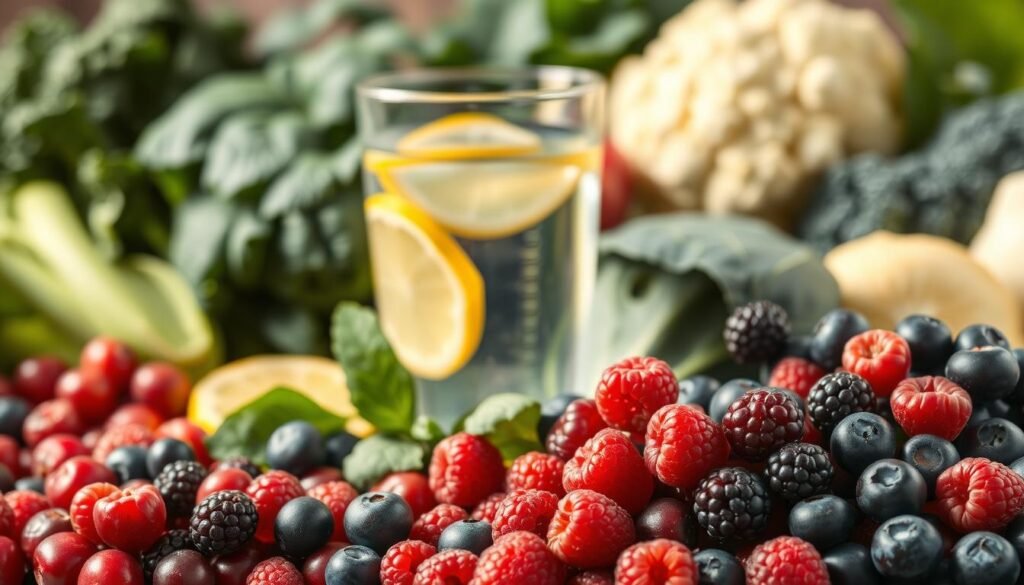
Examples include citrus fruits, garlic, and sweet potatoes. Adding these to your diet supports your health. It also lowers UTI risk.
Foods to Limit When Prone to UTIs
If you often get UTIs, it’s key to know which foods to cut back on. Some foods can make UTI symptoms worse. Others can help prevent them.
High-Sugar and Processed Foods
Too much sugar in your diet can make your urine sweeter. This can help bacteria grow, making UTIs worse. Foods high in sugar, salt, and unhealthy fats are bad for your health and your urinary tract.
Potential Irritants: Spicy and Acidic Foods
Some foods can irritate your bladder, making UTIs worse. Foods like citrus fruits, tomatoes, and spicy dishes are common culprits.
Identifying Your Personal Food Triggers
Keeping a food diary can help you find out which foods make UTIs worse for you. By tracking what you eat and when you get UTIs, you can choose better.
Here’s a quick guide to foods to limit if you’re prone to UTIs:
| Food Category | Examples | Potential Impact |
|---|---|---|
| High-Sugar Foods | Candies, baked goods, sugary drinks | May promote bacterial growth |
| Processed Foods | Packaged snacks, processed meats | Can negatively impact overall health |
| Spicy Foods | Hot peppers, spicy sauces | May irritate the bladder |
| Acidic Foods | Citrus fruits, tomatoes | Can trigger or worsen UTI symptoms |
Conclusion
Adding the right foods and drinks to your diet can lower UTI risks. Studies show that certain diets and hydration methods can prevent and manage UTIs.
Drink lots of water and eat foods high in antioxidants to fight UTIs. Avoid spicy and acidic foods that can irritate your urinary system. Also, include probiotics and immune-boosting foods in your meals to support your urinary health.
Talk to a healthcare expert to create a plan that fits you. By choosing wisely what you eat and drink, you can help keep your urinary system healthy. This can reduce your chances of getting UTIs.
FAQ
What are the most effective ways to prevent recurring UTIs through diet and hydration?
Drinking lots of water and eating foods rich in antioxidants and probiotics can help. Avoid sugary and processed foods, as well as caffeinated and alcoholic drinks. These steps can lower your risk of UTIs.
How much water should I drink daily to prevent UTIs?
Everyone needs different amounts of water. Aim for at least eight 8-ounce glasses a day. Adjust this based on your activity level and where you live.
Can certain foods trigger UTIs, and if so, how can I identify them?
Yes, some foods can trigger UTIs. Spicy, acidic, and high-sugar foods are common culprits. Keep a food diary to track your diet and symptoms. Try eliminating suspect foods to see if your symptoms improve.
Are there any specific beverages that can help prevent UTIs?
Yes, water, cranberry juice, and herbal teas like uva ursi and d-mannose can help. They flush out bacteria, reduce inflammation, and support urinary health.
How can I monitor my hydration status to prevent UTIs?
Watch the color of your urine. It should be pale yellow or clear. Track your fluid intake and output to adjust your hydration plan.
Can diet and hydration alone prevent recurring UTIs, or are other factors involved?
Diet and hydration are key, but other factors like bacteria and hormonal changes can also play a role. A complete approach includes good hygiene, proper wiping, and medical treatment when needed.
Are there any specific dietary components that can help prevent UTIs?
Yes, antioxidants, probiotics, and omega-3 fatty acids can help. They reduce inflammation, support healthy flora, and boost your immune system.
How can I incorporate UTI-preventing foods and beverages into my diet?
Make conscious choices to include UTI-preventing foods and drinks. Drink water regularly, consume cranberry juice or supplements, and eat foods like berries, leafy greens, and yogurt.