June 5, 2025
Have you noticed how body image talks have changed a lot lately? There’s a big worry about how social media and pornography affect young men’s mental health.
Studies show that these platforms can really mess with how people see their bodies. This can lead to penis insecurity. It’s key to know what shapes our self-image in today’s world.
The link between porn, social media, and penis insecurity is deep. We need to dive into this to spread awareness and help people see their bodies in a better light.
Key Takeaways
- The impact of social media on body image
- The role of pornography in shaping young minds
- Understanding penis insecurity
- The importance of promoting healthy body image
- Strategies for mitigating the negative effects
The Rising Epidemic of Male Body Image Issues
Young men are facing more body image worries than ever before. This is because of the unrealistic beauty standards they see online. The digital world is full of images and videos that shape what they think is beautiful. But often, these standards harm their self-esteem.
Current Statistics on Penis Insecurity Among Young Men
More and more young men are feeling insecure about their penises. A big number are unhappy with their size or how it looks. This unhappiness can cause serious mental health problems like anxiety and depression.
| Study | Year | Percentage Reporting Insecurity |
|---|---|---|
| Smith et al. | 2018 | 45% |
| Johnson et al. | 2020 | 52% |
| Williams et al. | 2022 | 60% |
The Psychological Impact of Body Image Concerns
Body image worries can deeply affect a young man’s mind. The need to meet unrealistic standards can cause many mental health problems.
Short-term Effects on Daily Life
In the short term, body image worries can really change a young man’s life. It can make him feel anxious in social situations, make him avoid certain activities, and lower his self-esteem.
“The constant bombardment of idealized male bodies in media can lead to feelings of inadequacy and low self-esteem among young men.”
Long-term Consequences for Development
In the long term, these worries can deeply affect a young man’s growth. They can harm his mental health and relationships. This can lead to depression, eating disorders, and other serious mental health problems if not dealt with.
It’s important to understand the current stats and the psychological effects. By recognizing the problem and its wide-reaching effects, we can start working on solutions. These solutions should help young men have a healthier view of their bodies.
Penis Insecurity: How Porn and Social Media Are Shaping Young Minds
Pornography and social media are big in shaping young men’s views of their bodies. Seeing idealized male physiques often leads to feeling not good enough.
The Evolution of Male Body Standards in Digital Media
Male bodies in digital media have changed a lot. Digital platforms show unrealistic and idealized body types. This shapes young men’s views of what’s normal or attractive.
Why Adolescents and Young Adults Are Particularly Vulnerable
Adolescents and young adults are going through big changes. Puberty brings significant bodily changes. Seeing idealized bodies online can make them feel insecure.
Developmental Factors During Puberty
Puberty brings many physical changes for boys. Seeing idealized images online can make them feel not good enough.
Identity Formation in the Digital Age
In today’s world, young people form their identities online. Social media platforms play a big role. They show unrealistic beauty and masculinity standards.
It’s key to understand these influences to tackle penis insecurity in young men. By seeing the impact of digital media, we can help create a more positive body image.
The Distorted Reality of Pornography
The adult entertainment industry often shows a wrong view of male bodies. This can make young viewers unhappy with their own bodies. It’s not just about looks but also about how they perform and what’s expected of them.
Unrealistic Portrayals in Adult Content
Pornography often shows men with bigger penises than average. This can make viewers feel bad about themselves and their bodies.
The “Porn Star Effect” on Self-Perception
The “porn star effect” happens when young men compare themselves to adult content stars. This can be very harmful, setting up unrealistic standards.
Size Exaggeration and Camera Techniques
Camera angles and editing in pornography can make things seem bigger than they are. For example, close-up shots can make a performer’s penis look bigger than it really is.
- Exaggerated portrayals of male anatomy
- Use of camera angles to enhance appearance
- Editing techniques to create an unrealistic ideal
Performance Expectations vs. Reality
Pornography shows unrealistic sexual performances. This can lead to unrealistic expectations and pressure on young men to meet these standards. But, sexual performance varies a lot among people.
It’s important to understand how pornography affects young men’s self-image. By seeing the wrong view of male bodies in adult content, we can start to fix the issue of penis insecurity.
Harmful Effects of Pornography on Developing Self-Image
Pornography can harm the self-image of young people. Early exposure can lead to issues like penis insecurity. This is a big problem that needs to be addressed.
Neurological Impact of Early Porn Exposure
Watching porn early can change the brain. It can make young people see themselves and their bodies differently. This can mess up their views on sex and relationships.
How Pornography Creates Unrealistic Comparisons
Porn shows unrealistic body images. Young viewers might feel bad when they compare themselves. This can make them feel insecure and have low self-esteem.
The Cycle of Shame and Continued Consumption
Watching porn can make people feel ashamed. Yet, they keep watching. This cycle can make them feel even worse about themselves.

It’s important to build positive self-esteem to fight pornography’s effects. Teaching media literacy and talking openly can help. This way, young people can have a better and more realistic view of themselves.
Social Media’s Role in Perpetuating Male Body Image Issues
Social media shapes our views, and it’s especially true for male body image. Sites like Instagram and TikTok are big in young men’s lives. They shape how they see their bodies.
The Comparison Trap on Instagram and TikTok
Social media makes us compare ourselves to others. We see perfect images that aren’t real. This makes us think we’re not good enough.
Memes, Comments, and Digital Bullying
Comments on these sites can be mean. Memes that make fun of body types hurt too. They make us feel bad about ourselves.
The Algorithm Effect: How Content Reinforces Insecurities
Algorithms show us more of what we like. If you look at body image posts, you’ll see more. It makes us feel worse about ourselves.
| Platform | Primary Influence | Potential Impact |
|---|---|---|
| Visual Comparison | Unrealistic body standards | |
| TikTok | Short-form video comparisons | Rapidly perpetuated body ideals |
It’s key to know how social media works to fight body image issues. Being smart about it helps young men deal with these sites.
The Science Behind the Myth: Understanding Normal Anatomy
To clear up myths about penis size, we need to know the medical facts. It’s surprising to find out that what’s seen as “normal” penis size is often wrong. This misunderstanding can make men feel insecure.
Medical Facts vs. Popular Misconceptions
Studies say the average erect penis is about 5.1 to 5.5 inches long. But, what’s normal varies a lot. It’s important to know that size differences don’t affect how well you can have sex or how happy you are.
The Wide Range of “Normal” in Human Anatomy
Human bodies are different, and so are penises. Research shows penis sizes can vary a lot. It’s natural and a part of being human.
Statistical Realities vs. Perceived Norms
Looking at penis size statistics can help understand what’s average. Most men fit into a certain size range. Knowing this can help you see what’s normal.
The Irrelevance of Size to Sexual Satisfaction
Many things affect how satisfied you are in sex, like feeling close, talking openly, and being healthy. Size alone doesn’t decide how satisfied you’ll be. It’s better to focus on your health and your relationship than just penis size.
Learning about medical facts and the variety in normal anatomy can help ease penis size worries. Seeing that size is just one part of health can help you focus on more positive aspects of your life.
Psychological Consequences for Young Men’s Mental Health
Pornography and social media have a big impact on young men’s body image. This affects their mental health a lot. Digital media shapes what it means to be a man, leading to more anxiety and depression.
Anxiety and Depression Related to Body Image
Seeing perfect male bodies online can make young men feel bad about themselves. They might feel not good enough and have low self-esteem. This can cause anxiety and depression as they try to live up to these unrealistic standards.
The pressure to be like these ideals is huge. It creates a cycle of doubt and mental health problems. It’s key to spot these issues early and offer help.
Impact on Intimate Relationships and Sexual Confidence
Feeling insecure about their penis can hurt young men’s sex life and relationships. The unrealistic comparisons with porn can cause anxiety and make sex less enjoyable.
The Connection to Broader Mental Health Issues
Penis insecurity is linked to bigger mental health problems. It’s connected to depression, anxiety, and even suicidal thoughts in young men. Body image issues play a big role in these problems.
We need to tackle these issues in a big way. This includes teaching about media, the dangers of porn, and building self-esteem that’s not just about looks.
Developing Healthy Media Literacy Skills
The digital world is full of edited and altered content. It’s crucial for young men to learn how to navigate it well. They need to be able to check the truth of online info, spot biases, and understand how it affects their self-image and mental health.
Recognizing Manipulated Images and Videos
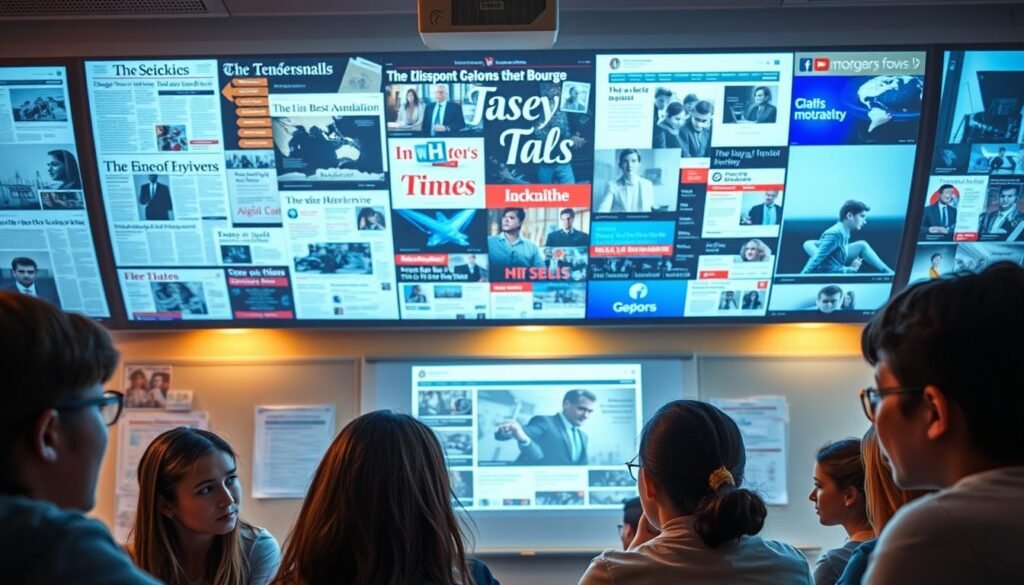
Learning to spot fake images and videos is key. With new tech, it’s hard to tell what’s real and what’s not. Many images, especially those about body ideals, are often Photoshopped or staged to set unrealistic standards.
Critical Consumption of Online Content
It’s not just about spotting fake content. It’s also about understanding why it’s there. Ask yourself if it’s meant to inform, entertain, or sway your opinion. This thinking helps you make better choices about what you watch and read.
Setting Boundaries with Social Media and Pornography Use
It’s important to set limits with digital media. This means not spending too much time on social media or watching content that makes you feel bad about yourself. You can do this by setting time limits or avoiding certain types of content.
Digital Detox Strategies
Using digital detox strategies can help you take back control. This could mean taking breaks from social media, doing things offline, or using apps to track your screen time.
Finding Healthier Sources of Information
Finding better sources of info is crucial. Look for accounts or websites that support positive body image and self-esteem. By choosing what you see online, you can make your digital world a better place.
| Strategy | Description | Benefit |
|---|---|---|
| Limit Social Media Use | Set specific times for social media use | Reduces exposure to harmful content |
| Follow Positive Influences | Curate your feed with positive body image content | Promotes self-esteem |
| Engage in Offline Activities | Participate in hobbies or sports | Enhances mental and physical well-being |
Cultivating Positive Self-Esteem Beyond Physical Attributes
You can build resilience against societal pressures by focusing on self-esteem beyond physical attributes. This involves adopting a holistic approach that encompasses various aspects of your life.
Strategies for Building Confidence from Within
Building confidence from within is crucial for developing a positive self-image. This can be achieved by setting personal goals and celebrating your achievements, no matter how small they may seem. Focusing on your strengths and capabilities helps to foster a sense of self-worth that isn’t easily swayed by external factors.
Another effective strategy is practicing self-compassion and self-care. This includes being kind to yourself, acknowledging your emotions, and taking care of your physical and mental health.
The Role of Physical Activity and Holistic Health
Engaging in regular physical activity not only improves your physical health but also has a positive impact on your mental well-being. Exercise can help reduce stress, improve mood, and enhance overall self-esteem. Finding an activity you enjoy is key to maintaining a consistent routine.
| Activity | Physical Benefits | Mental Benefits |
|---|---|---|
| Running | Cardiovascular health | Stress relief |
| Yoga | Flexibility and strength | Mindfulness and relaxation |
| Swimming | Full-body workout | Low-impact stress relief |
Finding Supportive Communities Online and Offline
Connecting with others who share similar experiences and values can significantly enhance your self-esteem. Peer support groups provide a safe space to discuss challenges and receive encouragement.
Peer Support Groups
Joining a peer support group can be incredibly beneficial. These groups offer a sense of belonging and understanding, helping you feel less isolated in your journey.
Professional Resources
For additional support, consider seeking help from professionals such as therapists or counselors. They can provide personalized guidance and strategies to improve your self-esteem and overall mental health.
By implementing these strategies and surrounding yourself with positive influences, you can cultivate a strong sense of self-esteem that goes beyond physical attributes.
Combating Societal Pressures Through Education and Awareness
Dealing with societal pressures on male body image needs a mix of education and awareness. Young men face many influences during their teenage and early adult years. These can affect how they see themselves and their mental health.
How Parents and Educators Can Open Conversations
Parents and teachers are key in shaping young men’s views of themselves. Starting open talks about body image can help fight negative societal effects. It’s important to make a safe space where young men can share their worries without fear.
Providing Accurate Information and Resources
It’s crucial to give young men the right facts about their bodies and the dangers of too much porn and social media. This helps them understand body image better and lowers the risk of body image issues.
Advocating for Media Literacy in Schools
Media literacy is vital in today’s world. Schools should teach it to help young men think critically about what they see online.
Age-Appropriate Education Models
Education should match the age and maturity of students. Younger ones might learn about basic body image and self-esteem. Older students can dive into more complex topics like media literacy and the dangers of porn.
Creating Safe Spaces for Discussion
It’s vital to create safe places for young men to talk about body image worries. This could be one-on-one chats, group talks, or online forums led by trusted adults.
Through education, awareness, and media literacy, we can help young men see male body image in a positive and realistic way. This supports their mental health and overall well-being.
Conclusion: Moving Beyond Measurement Toward Wholeness
Porn and social media are changing how young people see themselves, often making them feel insecure about their bodies. These platforms show unrealistic views of what’s normal, leading to bad comparisons. This can cause serious mental health issues like anxiety and depression, and hurt relationships.
To overcome this, it’s key to focus on being positive about yourself, not just your looks. Learning to see through the fake images online helps. Also, having a supportive group of friends, both online and in real life, boosts your self-worth.
Fixing penis insecurity: how porn and social media are shaping young minds needs a big-picture approach. Instead of just looking at how you look, aim for overall health and happiness. This means building self-confidence, staying active, and caring for your whole self.
FAQ
How does pornography consumption affect young men’s perception of their body?
Watching too much porn can make young men feel bad about their bodies. They might compare themselves to unrealistic standards and feel insecure about their penis size.
What role does social media play in male body image issues?
Social media can make body image problems worse. Sites like Instagram and TikTok can lead to constant comparisons and bullying. This can make young men feel worse about themselves.
What is the “porn star effect” and how does it impact self-perception?
The “porn star effect” shows unrealistic views of male bodies in adult content. This can make young men feel like they can’t measure up. It can lead to feelings of insecurity about their penis size.
How can young men develop healthy media literacy skills?
Young men can learn to spot fake content and think critically about what they see online. They should also limit their time on social media and avoid excessive porn use.
What are some strategies for cultivating positive self-esteem beyond physical attributes?
Building self-esteem involves finding confidence from within. Engaging in sports and healthy habits can help. Also, connecting with supportive groups online and in real life is key.
How can parents and educators help combat societal pressures related to body image?
Parents and teachers can start important conversations. They should provide accurate info and resources. They can also push for media literacy in schools to help young men deal with body image issues.
What is the impact of penis insecurity on mental health?
Feeling insecure about one’s penis can lead to anxiety and depression. It can also affect relationships and sexual confidence.
What is considered a normal range for penis size?
Penis size varies widely, and what’s considered normal is quite broad. Most men fall within a certain average range, but it’s not the same for everyone.