
June 11, 2025
You may not think about it often, but your prostate health is crucial to your overall well-being. Did you know that 1 in 9 men will be diagnosed with prostate cancer in their lifetime? Regular checkups with a urologist can help detect issues early on.
Visiting a urologist is not just about addressing issues like erectile dysfunction; it’s about maintaining your men’s health. A urologist can help you identify potential problems before they become severe.
Key Takeaways
- Regular urologist visits can help detect prostate issues early.
- Erectile dysfunction is a common issue that can be addressed by a urologist.
- Maintaining prostate health is crucial for overall men’s health.
- A urologist can help identify potential health issues before they become severe.
- Men should prioritize their health by scheduling regular checkups.
Understanding Penis Health and Its Importance
Understanding the importance of penis health is key to maintaining overall wellbeing. As a man, taking care of your penis health is crucial not just for your sexual function, but also for your overall health.
What Constitutes Good Penis Health
Good penis health encompasses several factors, including proper hygiene, the absence of pain or discomfort, and normal sexual function. Regular self-examination can help you identify any abnormalities or changes that may indicate a health issue.
- Proper hygiene practices to prevent infections
- Regular check-ups with a urologist
- Awareness of any changes in sexual function or pain
The Connection Between Penis Health and Overall Wellbeing
Penis health is closely linked to your overall wellbeing. Issues such as erectile dysfunction or prostate problems can signal underlying health conditions that need medical attention.
Maintaining good penis health can also contribute to your mental health by reducing anxiety and stress related to sexual performance.
Common Misconceptions About Penis Health
There are several misconceptions about penis health that can lead to neglect or improper care. For instance, some men believe that penis health is solely about sexual function, overlooking the importance of overall urological health.
- Misconception: Penis health is only about sexual performance.
- Reality: It encompasses overall urological health, including prostate health.
By understanding the facts and dispelling these misconceptions, you can take proactive steps towards maintaining good penis health and, by extension, your overall wellbeing.
Penis Health Screening: When and Why Should Men Visit a Urologist?
Urologists play a vital role in men’s health by providing screenings and diagnoses that can significantly impact overall wellbeing. As a man, understanding when and why to visit a urologist is crucial for maintaining optimal penis health and addressing potential issues early on.
The Role of a Urologist in Men's Health
A urologist is a medical specialist who focuses on the diagnosis, treatment, and surgery of disorders related to the urinary tract and male reproductive system. Your urologist is trained to handle a wide range of men’s health issues, from infections and inflammatory conditions to more complex problems like erectile dysfunction and prostate cancer.
Benefits of Regular Urological Checkups
Regular checkups with a urologist can provide numerous benefits, including early detection of health issues, preventive care, and treatment plans tailored to your specific needs. By visiting a urologist regularly, you can significantly reduce the risk of complications from untreated conditions.
As emphasized by a leading urologist, “Regular screenings can be lifesaving. Many men don’t realize they have a serious condition until it’s too late.”
“The key to managing men’s health is early detection. Regular urological checkups can make all the difference.”
Statistics on Men's Health Issues Detected Through Screening
Statistics show that regular screenings can lead to the early detection of significant health issues in men. For instance, prostate cancer screening has been shown to reduce mortality rates by detecting cancer at an early stage.
| Condition | Detection Rate Through Screening | Impact of Early Detection |
|---|---|---|
| Prostate Cancer | High | Significantly improves survival rates |
| Erectile Dysfunction | Moderate to High | Can lead to effective treatment plans |
| Urinary Tract Infections | High | Reduces risk of complications |
By understanding the role of a urologist and the benefits of regular checkups, you can take proactive steps towards maintaining your penis health and overall wellbeing.
Key Age Milestones for Urological Visits
Knowing when to visit a urologist can significantly impact your overall urological health. As you age, your risk for certain urological conditions changes, making it essential to stay on top of your health.
Recommended Screening Schedule by Age
The general recommendation is for men to start visiting a urologist around age 40, but this can vary based on individual health concerns and risk factors. Here’s a breakdown of recommended screenings by age:
- Young Adults (18-35): Annual checkups are not typically necessary unless you have specific concerns or a family history of urological issues.
- Middle-Aged Men (36-50): Start discussing prostate health with your urologist. Screenings may be recommended based on risk factors.
- Older Adults (51+): Regular prostate screenings are generally recommended. Discuss the frequency with your urologist based on your health history.
Special Considerations for Different Life Stages
Different life stages come with unique urological health considerations.
Young Adults (18-35)
For young adults, urological visits are usually prompted by specific issues such as testicular pain or urinary tract infections. Maintaining good hygiene and being aware of any abnormalities is key.
Middle-Aged Men (36-50)
Middle-aged men should start paying closer attention to prostate health. If there’s a family history of prostate issues, it’s wise to start discussions with a urologist earlier.
Older Adults (51+)
For older adults, regular prostate screenings become more critical. Additionally, being vigilant about any changes in urinary or sexual function is important.
Staying proactive about your urological health at every age ensures early detection and treatment of potential issues.
Warning Signs That Necessitate a Urologist Visit
Men should be aware of specific warning signs that require a urologist’s attention to prevent health complications. Ignoring these signs can lead to severe consequences, including undiagnosed prostate issues or untreated erectile dysfunction.
Physical Symptoms That Shouldn't Be Ignored
Certain physical symptoms are clear indicators that a visit to a urologist is necessary. These include:
- Unusual discharge or bleeding from the penis, which could signal an infection or other condition.
- Lumps or swelling in the genital area, potentially indicating a serious health issue.
- Pain or burning sensation while urinating, a common symptom of urinary tract infections.
Changes in Urinary Function
Changes in urinary function can be a significant warning sign. Men should watch for:
- Frequent urination, especially at night, which could indicate prostate issues.
- Difficulty starting or stopping urination, a potential sign of an enlarged prostate.
- Blood in the urine, a symptom that necessitates immediate medical attention.
Sexual Health Concerns
Sexual health concerns are another critical area where a urologist can provide assistance. Issues such as erectile dysfunction or painful ejaculation should not be ignored.
Pain or Discomfort Indicators
Persistent pain or discomfort in the pelvic area, lower back, or genital region is a clear warning sign that requires medical evaluation. A urologist can diagnose the cause and recommend appropriate treatment.
| Symptom | Possible Condition | Action |
|---|---|---|
| Blood in urine | Infection, kidney stones, or cancer | Immediate urologist visit |
| Erectile dysfunction | Vascular disease, diabetes, or hormonal imbalance | Consult a urologist for diagnosis and treatment |
| Pelvic pain | Prostatitis, infection, or structural issue | Schedule a urologist appointment |
Being vigilant about these warning signs and seeking timely medical attention can significantly improve health outcomes for men. Regular check-ups and open discussions with a urologist are key to maintaining optimal men’s health.
What to Expect During a Urological Examination
Understanding the steps involved in a urological examination can help men feel more comfortable and prepared for their visit. A typical urological examination is designed to assess the health of the urinary tract and male reproductive organs.
Step-by-Step Breakdown of a Typical Appointment
When you visit a urologist, the appointment typically begins with a medical history review and a discussion of your symptoms or concerns. This is followed by a physical examination, which may include a check of the genital area, prostate, and other relevant regions.
Common Tests and Procedures
Several tests and procedures may be conducted during or following the physical examination. These can include:
- Physical Examination: A thorough check of the genital and urinary tract areas.
- Laboratory Tests: Urine or blood tests to check for infections or other conditions.
- Imaging Studies: Ultrasound or other imaging techniques to visualize the urinary tract and reproductive organs.
Physical Examination
A physical examination is a crucial part of a urological checkup. It allows the urologist to check for any abnormalities or signs of disease.
Laboratory Tests
Laboratory tests are often used to diagnose infections, check prostate health, or monitor other conditions affecting the urinary tract.
Imaging Studies
Imaging studies, such as ultrasound, may be used to visualize the kidneys, bladder, prostate, or other parts of the urinary tract.
| Test Type | Purpose | Common Conditions Diagnosed |
|---|---|---|
| Physical Examination | Check for abnormalities | STIs, injuries, structural issues |
| Laboratory Tests | Diagnose infections, check prostate health | UTIs, prostate issues, hormonal imbalances |
| Imaging Studies | Visualize urinary tract and reproductive organs | Kidney stones, tumors, structural abnormalities |
Addressing Anxiety and Embarrassment
It’s common to feel anxious or embarrassed about visiting a urologist. However, urologists are trained professionals who have helped many men with similar concerns. Being open about your symptoms and health history is crucial for receiving the best care possible.
“The key to a successful urological examination is open communication with your healthcare provider.” –
Common Penis Health Issues Detected Through Screening
Regular urological checkups can reveal various penis health issues, including infections, cancer, and sexual function disorders. These screenings are crucial for maintaining optimal penis health and overall wellbeing.
Infections and Inflammatory Conditions
Infections and inflammatory conditions are common issues detected through penis health screenings. Conditions such as prostatitis, an inflammation of the prostate gland, can cause significant discomfort and are typically diagnosed through a combination of physical examination, medical history, and laboratory tests.
Other infections, including sexually transmitted infections (STIs), can also be identified during screenings. Early detection is key to effective treatment and preventing long-term complications.
Structural Abnormalities and Injuries
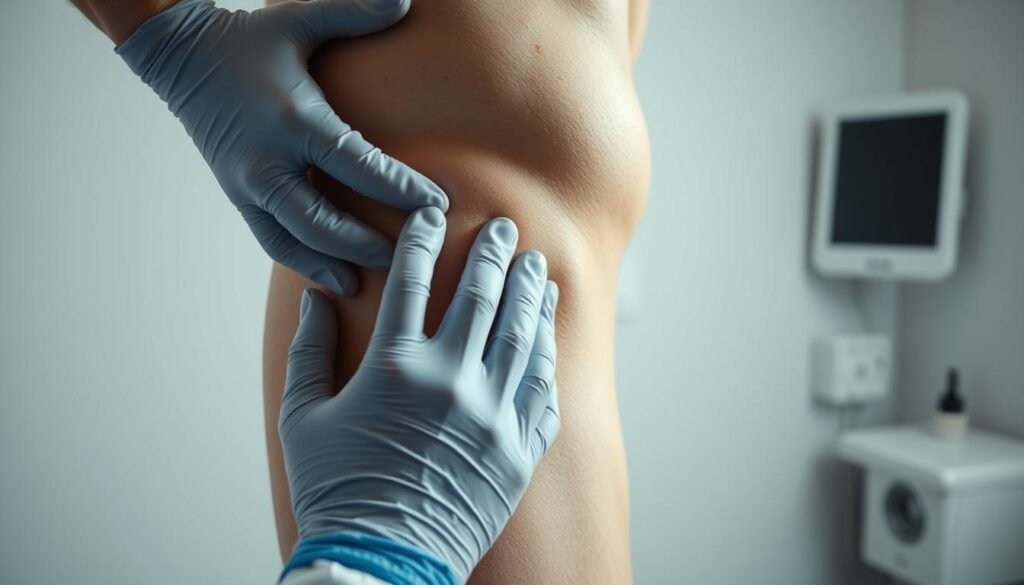
Structural abnormalities and injuries affecting the penis can significantly impact a man’s quality of life. Conditions such as Peyronie’s disease, characterized by the development of fibrous scar tissue inside the penis, can cause painful erections and curvature.
Screenings can also identify other structural issues, such as hypospadias or epispadias, which are congenital conditions affecting the urethra’s opening.>
Cancer and Precancerous Conditions
Cancer and precancerous conditions are among the most serious penis health issues that can be detected through screenings. Prostate cancer, for example, is a common condition in men, and early detection through screenings like the prostate-specific antigen (PSA) test can significantly improve treatment outcomes.
Penile cancer, although less common, can also be identified through screenings. Risk factors include human papillomavirus (HPV) infection and poor genital hygiene.
Sexual Function Disorders
Sexual function disorders, including erectile dysfunction (ED), can be diagnosed during urological screenings. ED is characterized by the inability to achieve or maintain an erection sufficient for satisfactory sexual performance.
Treatment options vary depending on the underlying cause, which can range from vascular disease to psychological factors. Addressing these issues can significantly improve quality of life.
Preventive Measures and Self-Care Between Visits
Between urologist visits, self-care and preventive measures play a vital role in maintaining penis health. By adopting good hygiene practices, being mindful of lifestyle factors, and performing regular self-examinations, you can significantly reduce the risk of penis-related issues.
Hygiene Best Practices
Good hygiene is foundational to penis health. Gentle washing with warm water is recommended; harsh soaps can irritate the skin. Retracting the foreskin (if applicable) and cleaning underneath helps prevent bacterial and fungal accumulation.
Lifestyle Factors That Impact Penis Health
Your lifestyle choices can significantly impact your penis health. A balanced diet, regular exercise, and avoiding smoking can enhance overall well-being, including sexual health. Additionally, managing stress through relaxation techniques or exercise can help mitigate potential negative impacts on penis health.
Self-Examination Techniques
Regular self-examination can help you identify any abnormalities or changes early. Check for unusual lumps, changes in skin color, or discomfort. Familiarize yourself with what is normal for you to better detect any deviations.
When to Perform Emergency Self-Checks
In cases of acute injury, severe pain, or signs of infection (such as unusual discharge or odor), perform an immediate self-check. If you notice anything unusual or experience pain, seek medical attention promptly.
| Preventive Measure | Benefit |
|---|---|
| Good Hygiene Practices | Reduces risk of infections |
| Healthy Lifestyle | Enhances overall well-being |
| Regular Self-Examination | Early detection of abnormalities |
Risk Factors That May Require More Frequent Screening
Knowing your risk factors is key to adjusting your screening schedule to ensure optimal penis health. Certain factors can increase your risk of developing issues that necessitate more frequent screenings.
Family History Considerations
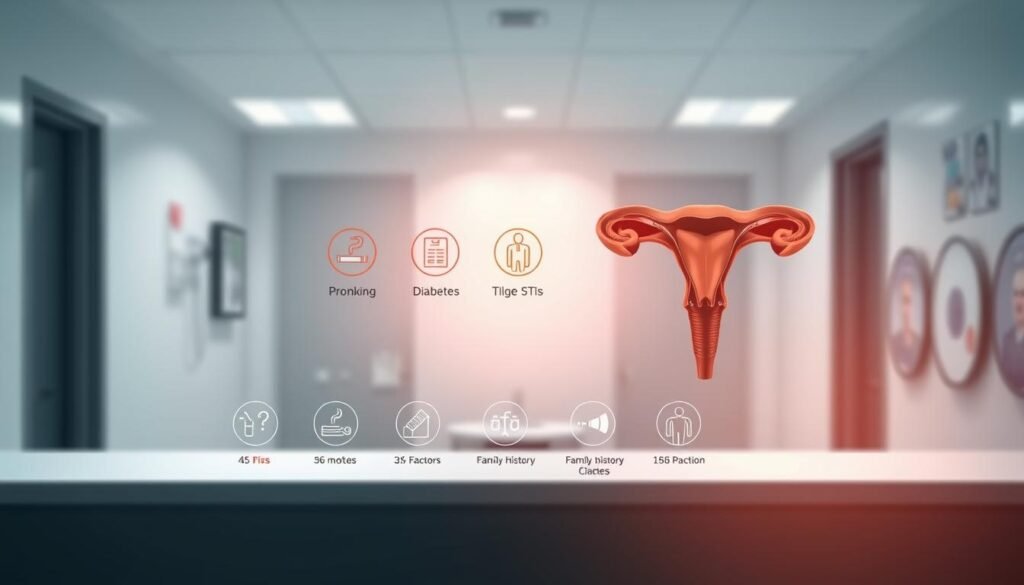
A family history of certain medical conditions, such as prostate cancer, can significantly impact your risk profile. If there’s a history of such conditions in your family, it’s essential to inform your urologist to adjust your screening schedule accordingly.
Lifestyle Risk Factors
Lifestyle choices, including smoking and dietary habits, can affect your penis health. For instance, smoking is linked to various urological issues, making it crucial to consider these factors when determining your screening frequency.
Pre-existing Medical Conditions
Pre-existing medical conditions, such as diabetes or obesity, can increase your risk of developing urological problems. Managing these conditions and discussing them with your urologist can help tailor a screening schedule that meets your needs.
Sexual Health History
Your sexual health history, including any past infections or conditions, plays a role in determining your screening needs. Being open with your healthcare provider about your sexual health can help identify potential risks and adjust your screening schedule.
By understanding and discussing these risk factors with your urologist, you can ensure that you’re taking the right steps to maintain your penis health.
Conclusion: Taking Control of Your Penis Health
Maintaining good penis health is crucial for overall wellbeing. Regular visits to a urologist can help detect potential issues early, ensuring timely intervention. By understanding the importance of men’s health and adopting preventive care measures, you can significantly reduce the risk of complications.
Simple self-care practices, such as proper hygiene and regular self-examinations, play a vital role in maintaining penis health. Being proactive about your health empowers you to address concerns promptly, fostering a healthier lifestyle.
By integrating these habits into your routine and staying informed, you can take control of your men’s health, ensuring a better quality of life. Schedule regular checkups with a urologist to stay on top of your health.
FAQ
What is penis health screening, and why is it important?
Penis health screening refers to the examination and testing of the penis and surrounding areas to detect any potential health issues. Regular screenings are crucial for maintaining good penis health, detecting problems early, and preventing complications.
At what age should men start visiting a urologist for checkups?
The recommended age for starting urological checkups varies based on individual risk factors and health status. Generally, men should consider their first urologist visit in their late teens or early twenties, especially if they are sexually active.
What are some common penis health issues that can be detected through screening?
Common issues detected through screenings include infections, structural abnormalities, cancer, and sexual function disorders. Early detection of these conditions can significantly improve treatment outcomes.
How often should men visit a urologist for checkups?
The frequency of urologist visits depends on age, health status, and risk factors. Men with a family history of urological issues or those experiencing symptoms may need to visit more frequently.
What can men do to maintain good penis health between urologist visits?
Practicing good hygiene, adopting a healthy lifestyle, performing self-examinations, and being aware of warning signs that necessitate a urologist visit can help men maintain good penis health.
Are there any lifestyle factors that can negatively impact penis health?
Yes, certain lifestyle factors such as smoking, excessive alcohol consumption, poor diet, and lack of exercise can negatively impact penis health. Modifying these factors can help in maintaining overall wellbeing.
How can men address anxiety or embarrassment related to urologist visits?
Understanding what to expect during a urological examination, communicating openly with the urologist, and recognizing the importance of these visits for maintaining health can help alleviate anxiety and embarrassment.
Can family history influence the need for more frequent urologist visits?
Yes, a family history of certain medical conditions can increase the risk of developing similar issues, making it advisable to have more frequent screenings.
What are some warning signs that necessitate a visit to a urologist?
Warning signs include physical symptoms like unusual discharge or lesions, changes in urinary function, sexual health concerns, and pain or discomfort in the genital area.
How can men perform self-examinations for penis health?
Men can perform self-examinations by visually inspecting the penis and surrounding areas, checking for any abnormalities, and being aware of their body’s normal state to identify any changes.