March 5, 2025
Did you know 70% of Americans have hormone imbalances? This fact shows how urgent it is to find natural ways to balance hormones. Our bodies need hormones to work right, and when they don’t, we face health problems.
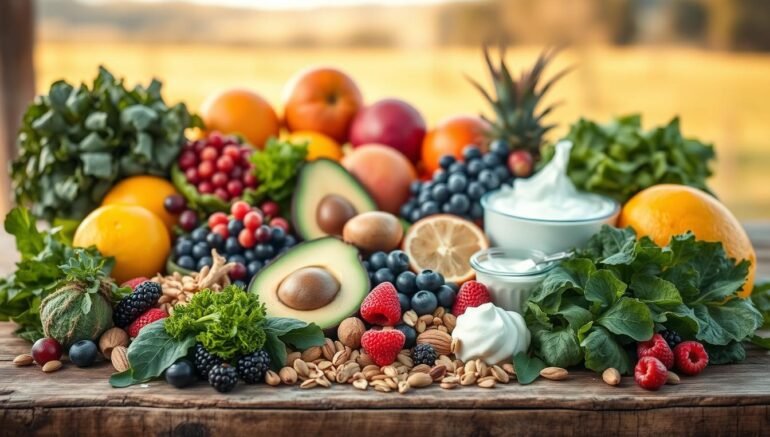
Our modern lives and diets often mess with our hormones. But, there’s hope. Superfoods, packed with nutrients, can help balance our hormones naturally. They support our overall health and well-being.
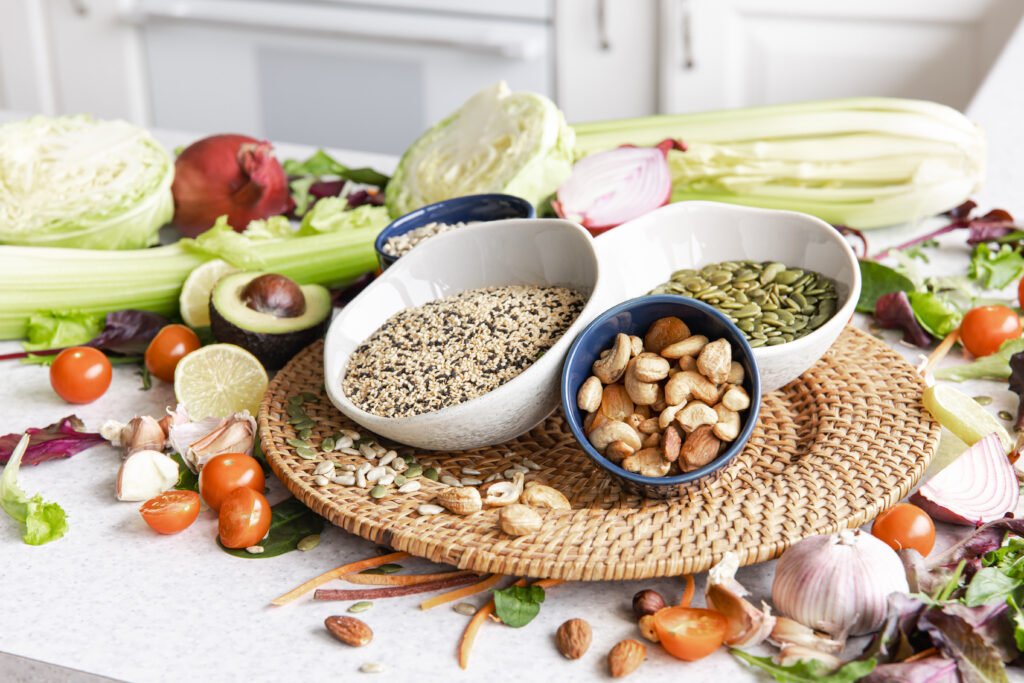
Eating superfoods isn’t just about what you eat. It’s also about how you eat. Eating regular meals, full of whole foods and less processed stuff, keeps blood sugar stable. This helps regulate hormones. Cruciferous veggies, eaten daily, help detoxify and balance hormones2.
Key Takeaways
- Hormone imbalances affect a majority of Americans
- Superfoods can help regulate hormones naturally
- Protein intake is key for hormone balance
- Colorful veggies are good for hormonal health
- Cruciferous veggies aid in hormone detoxification
- Regular, balanced meals help maintain hormone regulation
Understanding Hormonal Balance and Its Impact on Health
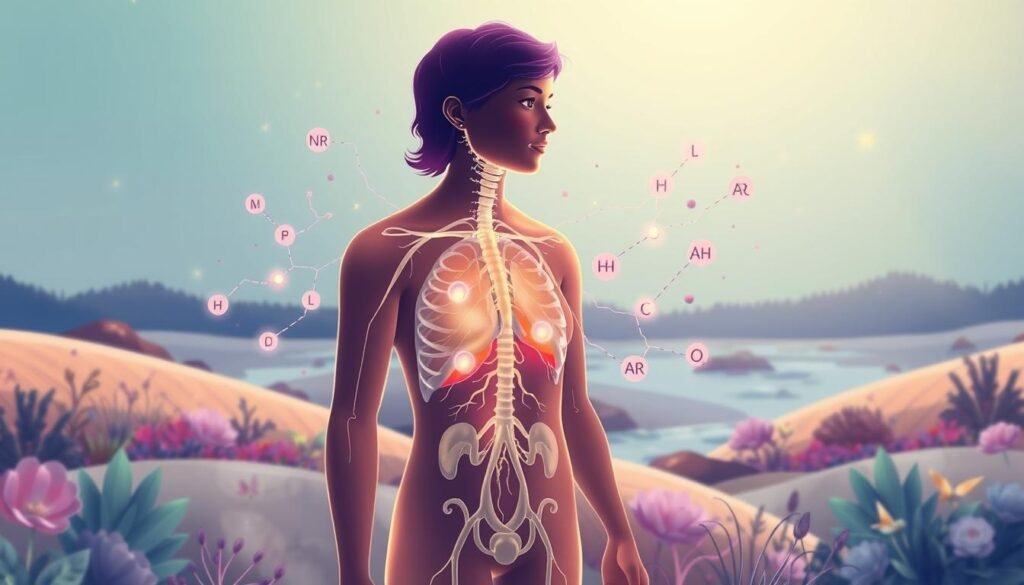
Hormones are key to our health, affecting everything from how we feel to how we metabolize food. Our bodies have over 200 hormones, with insulin, leptin, ghrelin, and thyroid hormones being well-known3. These messengers help our bodies work right and keep us healthy.
The Role of Hormones in Body Function
Hormones are like messengers in our body, controlling many functions. Insulin helps control blood sugar, while leptin and ghrelin manage hunger3. Thyroid hormones help with weight, energy, and hair and skin health. Sex hormones like estrogen and testosterone affect our reproductive health and bones3.
Common Signs of Hormonal Imbalance
It’s important to know when our hormones are out of balance. Signs include trouble sleeping, irregular periods, acne, and feeling tired4. These symptoms might mean we need to change our diet or try natural remedies to get back in balance.
How Diet Ragulate Hormone
Knowing how diet affects hormones helps us make better choices for our health. By eating foods that balance hormones and using natural remedies, we can help our body stay in balance.
Ragulate Hormones Naturally with Superfoods
Superfoods are a natural way to ragulate hormones. They are packed with nutrients that help make and control hormones. Adding superfood supplements to your diet can help keep your hormones in check.
Cruciferous vegetables are full of good stuff. They help with estrogen levels, which change in women’s lives6. When you cut or cook them, they make indole-3-carbinol, which is good for the liver and hormone balance.
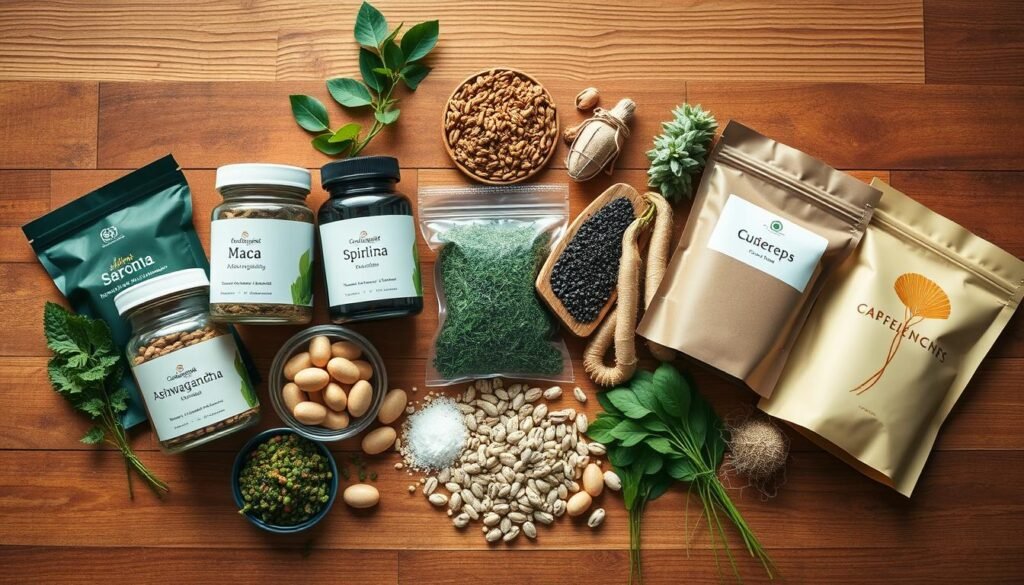
Adaptogenic herbs like ashwagandha and rhodiola help with stress and support the endocrine system. These herbs help the body deal with stress better.
Eating these superfoods every day can make you feel better in weeks5. A diet full of these foods is important for keeping your hormones healthy.
Essential Nutrients for Hormone Regulation
Keeping hormones in balance is key for good health. Our bodies have over 50 hormones working together. This shows how important eating right is7.
Healthy Fats and Their Hormonal Benefits
Flaxseeds have lignans that help with estrogen levels, which is good during menopause7.
Protein Requirements for Hormone Production
Vitamins and Minerals That Support Hormonal Health
Some vitamins and minerals are very important for hormone balance:
Eating a hormone-healthy diet can lower your risk of hormone-related problems by 30%7. Adding these nutrients to your diet helps keep your hormones balanced and supports your endocrine health.
Lifestyle Factors That Complement Hormone-Ragulating Foods
Eating foods rich in nutrients is key for hormone balance. But, other lifestyle choices are also important for your endocrine health. Regular exercise makes your body more sensitive to hormones and can lower insulin levels. This helps keep your hormones in check naturally9.
Managing stress is also vital for hormone balance. Too much stress can raise cortisol levels, throwing off your hormones. Techniques like meditation or yoga can help. Leafy greens, for example, can also lower cortisol levels10.
Getting enough sleep is also critical for hormone production. Lack of sleep can lead to imbalances in hormones like insulin and cortisol. Try to sleep 7-9 hours each night. A diet high in fiber can also help lower estrogen levels, which is good for those at risk of hormone-sensitive breast cancer10.
Good gut health is essential for hormone metabolism. Eating anti-inflammatory foods like plant-based items, fatty fish, and berries can help. Also, eating 25 to 35 grams of fiber daily and foods with probiotics like curd and buttermilk can boost gut health and hormone production1011. By combining these lifestyle choices with hormone-balancing foods, you can support your endocrine health and overall well-being.
FAQ
What are some common signs of hormonal imbalance?
Signs of hormonal imbalance include unexplained weight changes, fatigue, and mood swings. You might also notice irregular menstrual cycles, sleep problems, and skin issues. If these symptoms last, see a healthcare professional.
How can superfoods help regulate hormones?
Superfoods offer nutrients and compounds that support the endocrine system. They are rich in antioxidants, healthy fats, and vitamins. These help in hormone production and balance.
What are some examples of hormone-balancing superfoods?
Avocados, wild-caught salmon, and leafy greens like kale and spinach are great. Nuts, seeds, berries, maca root, turmeric, and broccoli also support hormonal health. They provide essential nutrients.
How important are healthy fats for hormone regulation?
Healthy fats are vital for hormone production. Omega-3s in fish and flaxseeds and monounsaturated fats in avocados reduce inflammation. They help balance hormones.
Can lifestyle factors affect hormone balance?
Yes, lifestyle greatly affects hormone balance. Exercise, managing stress, getting enough sleep, and a healthy weight are key. They work with a balanced diet for optimal endocrine function.
How does protein intake affect hormone production?
Protein is essential for hormone production. Hormones are made from amino acids, protein’s building blocks. Enough protein helps regulate hunger hormones and supports thyroid and sex hormone production.
What vitamins and minerals are important for hormonal health?
Vitamins and minerals like Vitamin D, B-complex, Magnesium, Zinc, and Selenium are vital. They help in hormone synthesis and regulation. A diverse diet ensures you get these nutrients.
How can adaptogens help balance hormones?
Adaptogens, like ashwagandha and rhodiola, help the body resist stress. They support the adrenal glands and regulate cortisol levels. This affects other hormones positively.
Can environmental factors disrupt hormone balance?
Yes, environmental factors can disrupt hormones. Toxins in plastics and personal care products can interfere with hormone production. Reducing exposure and supporting detoxification helps maintain hormonal health.
How long does it take to see results from dietary changes for hormone balance?
Results from dietary changes vary. Some notice energy and mood improvements in weeks. Hormonal cycles may take months to adjust. Consistency is key for long-term balance.
Source Links
- https://www.healthline.com/nutrition/balance-hormones – How To Balance Your Hormones Naturally
- https://nutrition4change.com/articles/top-10-foods-to-restore-hormone-balance/ – Top 10 foods to restore hormone balance
- https://www.eatingwell.com/article/7805452/hormone-balancing-foods-how-diet-can-help/ – Hormone-Balancing Foods: How Your Diet Can Help Keep Your Hormones Functioning Well
- https://www.humnutrition.com/blog/foods-that-balance-hormones-in-females/?srsltid=AfmBOooIfBZ7k53xSh7rY2H9kr_um5DtqOyHsi4f4yW28-y_DtBa_e4R – Top 11 of the Best Foods for Hormone Balance
- https://www.envizionmedical.com/blog/11-superfoods-to-naturally-balance-hormones-after-40 – 11 Superfoods to Naturally Balance Hormones after 40: Envizion Medical: Wellness Center
- https://rhealsuperfoods.com/blogs/news/best-foods-for-hormonal-balance – The Best Superfoods for Women’s Health and Hormonal Balance
- https://bywinona.com/journal/foods-for-hormone-balance?srsltid=AfmBOooIeMUVjiXci2k8Byh-7khGoBb93bAJFq6owHDkrOkIsWCYmJYE – 15 Foods That Help Restore Hormone Balance | Winona
- https://www.singlecare.com/blog/hormone-balancing-diet/ – 9 foods for hormone health
- https://www.rupahealth.com/post/6-foods-that-balance-hormones-in-females-a-nutritional-guide – 6 Foods That Balance Hormones in Females: A Nutritional Guide
- https://www.humnutrition.com/blog/foods-that-balance-hormones-in-females/?srsltid=AfmBOoq9SAv0nPua_TjgpRB6tYWyWvU8Naxiix6CqoKIQngPpHn7WO-I – Top 11 of the Best Foods for Hormone Balance
- https://gynoveda.com/blogs/nutrition/top-hormone-balancing-foods-restore-your-hormone-wellness/ – Top 15 Hormone Balancing Foods: Restore Your Hormone Wellness