The Hidden Connection: How Your Daily Food Choices Are Secretly Sabotaging Your Hormones
Your energy crashes, mood swings, and stubborn weight gain might have more to do with what’s in your pantry than you think. The link between processed food, hormones & lifestyle reveals a troubling pattern: everyday foods packed with preservatives, artificial sweeteners, and chemical additives are quietly throwing your body’s delicate hormone system off balance.
This guide is for anyone who suspects their diet might be behind their ongoing health struggles – whether you’re dealing with unexplained fatigue, irregular periods, difficulty losing weight, or just feeling “off” despite eating what seems like a normal diet.
We’ll uncover how food processing creates endocrine disruptors in food that interfere with your body’s natural hormone production. You’ll learn to spot the hidden processed foods lurking in seemingly healthy products that might be causing hormone imbalance diet effects you never connected to your meals. Most importantly, we’ll explore practical ways to restore hormonal health naturally by making smarter food choices and simple lifestyle adjustments that support your body’s natural hormone balance.
Ready to take back control of your hormones? Let’s dive into what’s really happening inside your body every time you eat.
How Processed Foods Disrupt Your Natural Hormone Balance
Hidden chemicals that mimic estrogen in your body
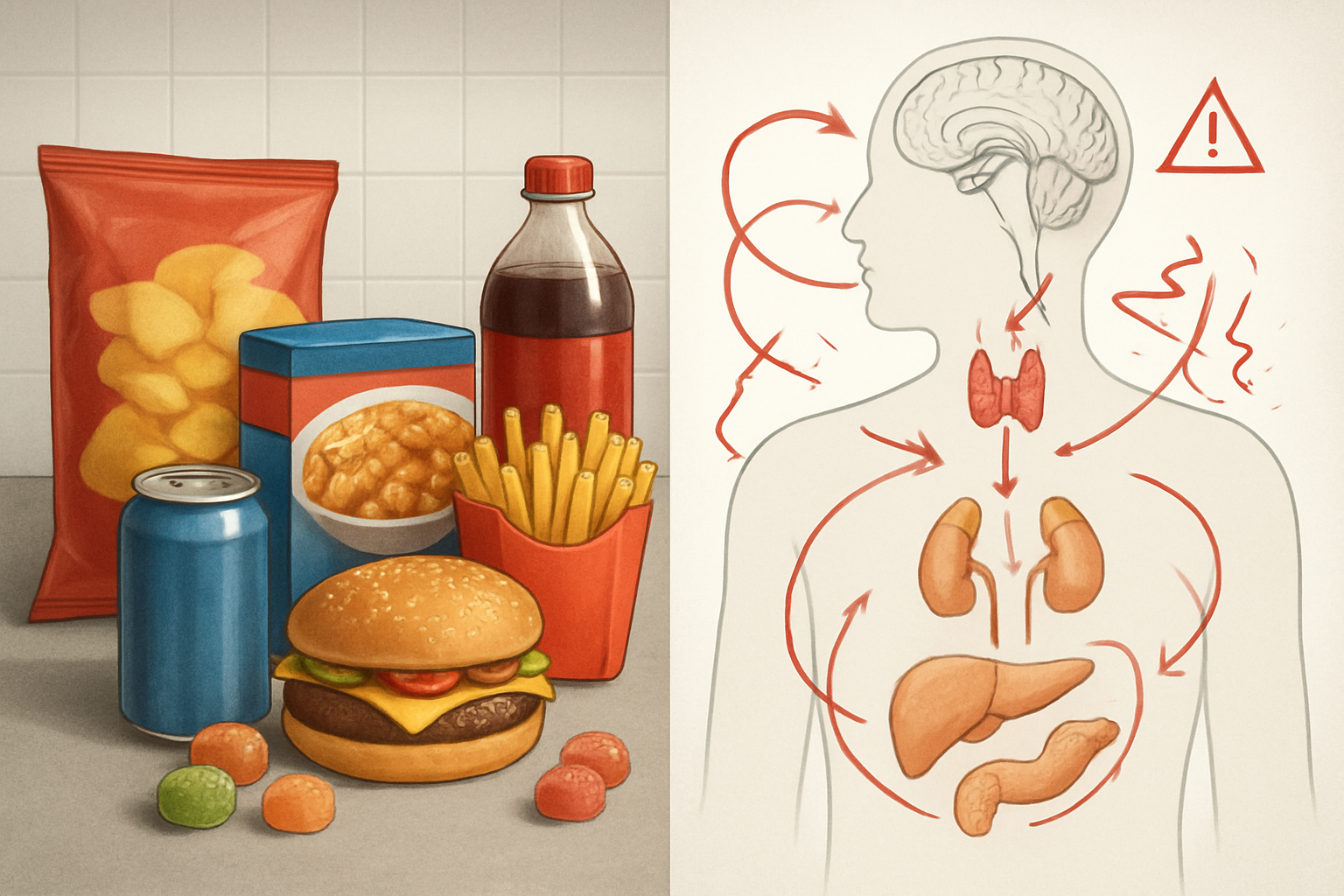
The modern food supply contains an alarming array of chemicals that act as hormone mimics, particularly targeting estrogen pathways in your body. These synthetic compounds, known as xenoestrogens, slip into processed foods through packaging materials, preservatives, and manufacturing processes, creating widespread endocrine disruption that affects millions of people daily.
Bisphenol A (BPA) stands as one of the most notorious endocrine disruptors in food packaging. This industrial chemical leaches from plastic containers, can linings, and receipt paper directly into your food. Once in your system, BPA binds to estrogen receptors throughout your body, triggering the same biological responses as natural estrogen. Research shows that even minimal exposure to BPA can alter hormone-sensitive tissues, affecting everything from reproductive health to metabolic function.
What makes BPA particularly dangerous is its ubiquity in processed food packaging. Canned soups, vegetables, and fruits often contain BPA levels that exceed safe limits. The chemical becomes more concentrated when heated, meaning that microwaving food in plastic containers creates an even more potent dose of hormone disruption. Studies have found that people who regularly consume canned foods show BPA levels in their urine that are 1,200% higher than those who avoid these products.
Phthalates represent another major category of hormone-disrupting chemicals in processed foods. These plasticizing agents make packaging flexible and durable, but they migrate into food products over time. Phthalates interfere with normal hormone production by blocking androgen receptors while simultaneously activating estrogen pathways. This dual action creates hormonal chaos that manifests as decreased testosterone production, altered menstrual cycles, and disrupted thyroid function.
The food manufacturing process itself introduces additional xenoestrogens through industrial solvents and cleaning agents. Hexane, commonly used to extract oils from processed foods, leaves residual traces that act as endocrine disruptors. Similarly, the bleaching agents used to whiten flour and sugar contain chlorine compounds that mimic estrogen activity once consumed.
Personal care products used in food handling also contribute to xenoestrogen exposure. Workers in food processing facilities often use hand lotions, sanitizers, and other products containing parabens and other hormone-disrupting chemicals. These compounds transfer to food surfaces during handling, creating an additional layer of contamination that regulatory agencies rarely monitor.
The cumulative effect of multiple xenoestrogen exposures creates what researchers call “cocktail effects” – where small amounts of different chemicals combine to produce amplified hormonal disruption. Your body cannot distinguish between synthetic xenoestrogens and natural estrogen, so these chemicals accumulate in fat tissues and continue affecting hormone balance long after initial exposure.
Processed meats present a particularly concerning source of hormone-disrupting chemicals. Beyond the synthetic hormones injected into livestock, the preservation process introduces nitrates and nitrites that form hormone-disrupting compounds when heated. The plastic casings used for many processed meats contain additional xenoestrogens that leach into the meat during storage and cooking.
Food dyes and artificial colors, common in processed snacks and beverages, contain petroleum-derived compounds that interfere with hormone signaling. Red Dye #3, Yellow Dye #6, and Blue Dye #1 have all demonstrated estrogenic activity in laboratory studies. Children consuming these additives show altered hormone levels that can affect growth, development, and behavior patterns.
The problem extends beyond individual chemicals to include their metabolites – the breakdown products created when your body processes these compounds. Often, these metabolites prove more hormonally active than the original chemicals. For example, when your liver processes certain food additives, it creates metabolites that bind more strongly to estrogen receptors than natural estrogen itself.
Processing techniques that involve high heat, such as extrusion cooking used for breakfast cereals and snack foods, create additional hormone-disrupting compounds through chemical reactions between proteins and synthetic additives. These newly formed compounds don’t appear on ingredient labels because they form during manufacturing rather than being intentionally added.
The timing of exposure matters critically for hormone disruption. Consuming processed foods during puberty, pregnancy, or menopause – periods when hormone levels naturally fluctuate – can cause permanent changes to hormone-sensitive tissues. Research shows that adolescents who regularly consume processed foods high in xenoestrogens experience earlier puberty onset and altered sexual development patterns.
Bioaccumulation makes the situation worse over time. Unlike water-soluble vitamins that your body eliminates regularly, xenoestrogens accumulate in fatty tissues throughout your body. This means that years of consuming processed foods creates an internal reservoir of hormone-disrupting chemicals that continues affecting your endocrine system even after you change your diet.
Sugar spikes that trigger insulin resistance
The relationship between processed food consumption and insulin resistance represents one of the most direct pathways through which modern diets disrupt hormonal balance. Processed foods are engineered to deliver rapid, intense spikes in blood sugar that overwhelm your body’s natural glucose management systems, leading to progressive insulin dysfunction that cascades through your entire endocrine network.
High fructose corn syrup (HFCS), now present in over 40,000 processed food products, creates particularly severe metabolic disruption. Unlike glucose, which triggers insulin release and provides feedback to regulate appetite, fructose bypasses normal metabolic controls and heads straight to your liver for processing. This creates several problems simultaneously: your liver becomes overwhelmed with fructose conversion, fat production increases dramatically, and your brain never receives the satiety signals that should stop you from eating.
The manufacturing process that creates HFCS involves treating corn starch with industrial enzymes and acids, producing a syrup that’s 55-90% fructose. This concentration far exceeds what you’d encounter in natural fruits, where fructose comes packaged with fiber, water, and other compounds that slow absorption. When consumed in processed foods, HFCS creates blood sugar spikes that are both higher and more sustained than those produced by regular sugar.
These repeated glucose spikes force your pancreas to produce increasingly large amounts of insulin to manage blood sugar levels. Over time, your cells become resistant to insulin’s signals, requiring even more hormone production to achieve the same glucose-lowering effect. This cycle creates a state of chronic hyperinsulinemia – elevated insulin levels that persist even between meals.
Hyperinsulinemia doesn’t just affect blood sugar control; it disrupts virtually every other hormone system in your body. Elevated insulin blocks the production of growth hormone, which is essential for tissue repair, fat burning, and muscle maintenance. It also interferes with thyroid hormone conversion, reducing the active T3 hormone that controls metabolic rate. Women experience additional complications as insulin resistance alters the delicate balance between estrogen and progesterone.
The glycemic index system, while useful, doesn’t fully capture the hormonal damage caused by processed foods because it measures blood sugar response in isolation. Many processed foods combine high-glycemic ingredients with industrial fats and chemical additives that compound insulin resistance through multiple mechanisms. For example, the trans fats in processed baked goods directly interfere with insulin receptor function, while artificial sweeteners can paradoxically trigger insulin release despite containing no calories.
Processed breakfast cereals exemplify how food manufacturing creates products designed to spike blood sugar. Most cereals undergo extrusion cooking, a process that applies extreme heat and pressure to create uniform shapes and textures. This processing breaks down complex carbohydrates into rapidly digestible fragments while destroying natural fiber structures that would normally slow glucose absorption. The result is a product that behaves more like pure sugar than whole grain, despite marketing claims about fiber content.
The speed of glucose absorption matters as much as the total amount consumed. Processed foods are engineered for rapid digestion and absorption, creating glucose spikes that peak within 30-60 minutes of consumption. This rapid rise triggers an equally rapid insulin response, followed by a dramatic drop in blood sugar that signals hunger and cravings for more processed carbohydrates. This cycle repeats throughout the day, creating chronic metabolic stress.
Industrial food processing removes or destroys compounds that naturally regulate glucose absorption. Whole grains contain fiber, resistant starch, and various phytonutrients that slow digestion and provide steady energy release. Processing strips away these protective compounds, leaving behind concentrated starches that behave like sugar in your bloodstream. Even products marketed as “whole grain” often undergo processing that eliminates much of their natural glucose-regulating properties.
Added sugars in processed foods come in dozens of different forms, each affecting insulin differently. Agave nectar, often marketed as healthy, contains up to 90% fructose and creates more severe metabolic disruption than regular table sugar. Brown rice syrup, another “natural” sweetener, has a glycemic index higher than pure glucose and often contains arsenic from industrial processing. These alternative sweeteners allow manufacturers to avoid listing “sugar” as the first ingredient while still creating products that spike blood glucose dramatically.
The combination of multiple sweeteners in single products amplifies insulin resistance beyond what any individual sugar would cause. A typical processed snack might contain corn syrup, dextrose, sucrose, and artificial sweeteners simultaneously. Each activates different metabolic pathways, creating a synergistic effect that overwhelms normal glucose regulation mechanisms.
Liquid calories from processed beverages create the most severe insulin disruption because they bypass normal satiety mechanisms entirely. A single 20-ounce soft drink can contain 65 grams of high fructose corn syrup – equivalent to eating 16 teaspoons of sugar in liquid form. Without fiber or protein to slow absorption, this sugar load hits your bloodstream within minutes, creating insulin spikes that can remain elevated for hours.
The frequency of sugar consumption throughout the day prevents your insulin system from ever returning to baseline. Traditional eating patterns allowed for extended periods between meals where insulin levels could normalize and cells could restore their sensitivity. Modern processed food consumption creates a pattern of constant snacking and beverage consumption that maintains chronic insulin elevation.
Sleep disruption caused by blood sugar fluctuations creates additional insulin resistance through stress hormone pathways. When blood sugar crashes following processed food consumption, your body releases cortisol and adrenaline to raise glucose levels. These stress hormones directly interfere with insulin sensitivity, creating a vicious cycle where poor food choices lead to hormonal disruption that makes blood sugar control even more difficult.
Artificial additives that interfere with thyroid function
Your thyroid gland serves as the master regulator of metabolism, controlling everything from body temperature to heart rate, yet it faces constant assault from the artificial additives that permeate processed foods. These synthetic compounds interfere with thyroid hormone production, transport, and cellular utilization through multiple pathways, creating widespread metabolic dysfunction that often goes unrecognized by both patients and healthcare providers.
Perchlorate, a rocket fuel component that contaminates the water supply used in food processing, directly blocks iodine uptake by the thyroid gland. This chemical appears in processed foods through contaminated water used in manufacturing and irrigation. Even low-level perchlorate exposure can reduce thyroid hormone production by competing with iodine for uptake by thyroid cells. The problem becomes compounded when combined with dietary iodine deficiency, which affects nearly 30% of the global population.
Brominated vegetable oil (BVO), used as an emulsifier in citrus-flavored sodas and sports drinks, contains bromine that displaces iodine in thyroid tissues. Bromine belongs to the same chemical family as iodine but lacks iodine’s biological activity. When bromine occupies iodine binding sites in the thyroid, it blocks normal hormone synthesis while failing to support thyroid function. Countries throughout Europe have banned BVO due to its thyroid-disrupting properties, yet it remains legal in processed foods in many other regions.
Artificial food dyes contain heavy metals including aluminum and lead that accumulate in thyroid tissues and interfere with enzyme systems required for hormone production. Red Dye #40, the most commonly used artificial color, contains aluminum compounds that bind to thyroid proteins and disrupt their function. Studies show that children consuming high amounts of artificial colors develop measurable thyroid dysfunction within months of regular exposure.
Preservatives like BHA (butylated hydroxyanisole) and BHT (butylated hydroxytoluene) interfere with thyroid hormone transport proteins in the bloodstream. These chemicals bind to the same proteins that carry thyroid hormones from the thyroid gland to target tissues throughout your body. When preservatives occupy these transport proteins, thyroid hormones cannot reach their destinations, creating symptoms of hypothyroidism even when the thyroid produces normal amounts of hormone.
Propylparaben, used as a preservative in processed baked goods and dairy products, directly inhibits thyroid peroxidase – the enzyme responsible for incorporating iodine into thyroid hormones. Without functional thyroid peroxidase, your thyroid cannot produce T4 and T3 hormones regardless of adequate iodine intake. Research shows that people with high propylparaben exposure develop antibodies against their own thyroid peroxidase, potentially triggering autoimmune thyroid disease.
Sodium nitrate and sodium nitrite, common preservatives in processed meats, interfere with thyroid hormone conversion in peripheral tissues. Your thyroid produces primarily T4 hormone, which must be converted to the more active T3 form in your liver, kidneys, and other organs. Nitrate compounds block the enzymes responsible for this conversion, leading to a condition where total thyroid hormone levels appear normal on standard lab tests while active hormone remains inadequate.
The industrial processing of soy products creates isoflavones that act as goitrogens – compounds that suppress thyroid function. While whole soy foods consumed traditionally contain natural enzyme inhibitors that limit goitrogenic effects, processed soy ingredients like soy protein isolate and soy lecithin concentrate these thyroid-suppressing compounds. The hexane extraction process used to create these ingredients also leaves chemical residues that further interfere with thyroid function.
Fluoride, added to processed foods through fluoridated water and processing aids, accumulates preferentially in thyroid tissues where it displaces iodine and disrupts hormone synthesis. The thyroid concentrates fluoride at levels 20 times higher than found in blood, creating a toxic environment that impairs cellular function. Population studies consistently show inverse relationships between fluoride exposure and thyroid hormone levels, with the strongest effects seen in areas with both high fluoride and low iodine intake.
Artificial sweeteners, particularly aspartame and sucralose, interfere with thyroid hormone signaling at the cellular level. These compounds alter the expression of genes responsible for thyroid hormone receptors, reducing cells’ ability to respond to thyroid hormones even when adequate amounts are present. The metabolites produced when these sweeteners break down in your body also interfere with mitochondrial function in thyroid cells, reducing their capacity to produce hormones.
Emulsifiers like carrageenan and polysorbate 80 trigger inflammatory responses that damage thyroid tissues. Chronic inflammation in the thyroid gland leads to fibrosis and cellular damage that reduces hormone production capacity over time. These emulsifiers also increase intestinal permeability, allowing larger molecules to cross into the bloodstream where they can trigger autoimmune reactions against thyroid tissues.
The timing and duration of exposure to thyroid-disrupting additives critically affects the severity of dysfunction. Exposure during pregnancy can permanently alter fetal thyroid development, leading to lifelong metabolic problems and cognitive impairments. Similarly, exposure during puberty can disrupt normal growth patterns and sexual development by interfering with the thyroid’s role in these processes.
Multiple additives working together create synergistic effects that exceed the harm any individual compound might cause. A typical processed meal might contain perchlorate-contaminated ingredients, artificial colors with heavy metals, preservatives that block hormone transport, and fluoridated water – all combining to create a perfect storm of thyroid disruption.
The accumulation of thyroid-disrupting compounds in body tissues means that the effects often persist long after dietary changes are made. Fat-soluble compounds like BHA and BHT can remain in tissues for months or years, continuing to interfere with thyroid function even after eliminating processed foods from your diet. This explains why thyroid recovery often takes considerable time and may require specific detoxification protocols.
Trans fats that block hormone production pathways
Trans fats represent one of the most destructive components of processed foods, fundamentally altering cellular membranes throughout your body and disrupting hormone production at multiple critical points. These artificially created fats, produced through industrial hydrogenation processes, integrate into cellular structures where they remain for months, continuously interfering with the biochemical processes essential for normal endocrine function.
The hydrogenation process that creates trans fats transforms natural liquid vegetable oils into solid or semi-solid fats by adding hydrogen atoms under extreme heat and pressure. This process creates molecular structures that don’t exist in nature – twisted fatty acid chains that your body cannot properly metabolize or utilize. When these unnatural fats incorporate into cell membranes, they alter membrane fluidity and permeability, affecting every cellular process including hormone synthesis, transport, and signaling.
Cell membranes serve as more than simple barriers between cells and their environment; they function as sophisticated communication networks where hormone receptors reside and interact with their target hormones. Trans fats disrupt this critical interface by creating rigid, inflexible membrane structures that prevent normal receptor function. Insulin receptors become less responsive when surrounded by trans fats, contributing to insulin resistance independent of blood sugar levels. Similarly, thyroid hormone receptors cannot function properly when embedded in membranes contaminated with trans fats.
Cholesterol, often demonized in popular nutrition discussions, serves as the primary building block for all steroid hormones including testosterone, estrogen, progesterone, and cortisol. Trans fats interfere with cholesterol metabolism at multiple points, reducing the availability of cholesterol for hormone synthesis while simultaneously disrupting the enzyme systems that convert cholesterol into active hormones. This creates a state where your body may have adequate cholesterol levels but cannot effectively produce the hormones essential for normal function.
The enzyme systems responsible for hormone production require specific fatty acid cofactors to function properly. Trans fats compete with natural fatty acids for incorporation into these enzyme complexes, creating dysfunctional enzymes that cannot effectively catalyze hormone synthesis reactions. For example, the enzyme 17β-hydroxysteroid dehydrogenase, crucial for testosterone and estrogen production, becomes significantly impaired when trans fats are present in high concentrations.
Mitochondria, the cellular powerhouses where much of hormone precursor synthesis occurs, suffer severe damage from trans fat incorporation. These organelles have their own specialized membranes that must maintain specific fatty acid compositions to function properly. When trans fats integrate into mitochondrial membranes, they disrupt electron transport chains and reduce ATP production, leaving cells without adequate energy to support hormone synthesis pathways.
The inflammatory response triggered by trans fat consumption creates additional hormone disruption through cytokine pathways. Trans fats activate inflammatory cascades that produce cytokines like tumor necrosis factor-alpha and interleukin-6, which directly suppress hormone production while increasing hormone-binding proteins that reduce the availability of active hormones. This inflammatory environment also increases cortisol production, creating chronic stress responses that further disrupt other hormone systems.
Liver function becomes severely compromised by trans fat consumption, affecting the organ’s critical role in hormone metabolism and clearance. The liver processes and eliminates used hormones while converting inactive hormone precursors into active forms. Trans fats cause liver inflammation and fatty infiltration that reduces these essential functions, leading to hormone imbalances characterized by both inadequate production of new hormones and impaired clearance of old ones.
The blood-brain barrier, which protects brain tissue from circulating toxins, becomes compromised by trans fat consumption. This allows inflammatory molecules and toxins greater access to brain tissues where they interfere with hypothalamic-pituitary axis function. The hypothalamus and pituitary gland control hormone production throughout the body, so disruption at this level creates cascading effects that affect every endocrine organ.
Trans fats interfere with essential fatty acid metabolism, blocking the conversion of dietary omega-3 and omega-6 fats into the specialized signaling molecules required for normal hormone function. These fatty acid derivatives, including prostaglandins and leukotrienes, serve as local hormones that regulate inflammation, blood flow, and cellular communication. When trans fats block their production, cells lose the ability to respond appropriately to hormonal signals.
The elimination half-life of trans fats from body tissues ranges from several months to over a year, meaning that past consumption continues affecting hormone function long after dietary changes are implemented. Trans fats preferentially accumulate in nervous tissue, adipose tissue, and reproductive organs – all areas critical for normal hormone production and signaling. This persistence explains why hormone recovery often requires extended periods of strict trans fat avoidance combined with aggressive nutritional support.
Processing techniques used in commercial food production often create trans fats even when they’re not intentionally added. High-temperature cooking of polyunsaturated oils, common in restaurant deep frying and snack food manufacturing, produces trans fat isomers through thermal conversion processes. Similarly, deodorizing processes used to remove off-flavors from vegetable oils create trans fats that don’t appear on nutrition labels because they form during manufacturing rather than being added as ingredients.
Interesterified fats, increasingly used as trans fat replacements, create similar hormonal disruption through different mechanisms. These artificially modified fats alter glucose metabolism and insulin sensitivity while interfering with essential fatty acid utilization. Studies show that interesterified fats can be even more harmful to hormone function than traditional trans fats, suggesting that industrial fat modification itself, rather than specific molecular structures, underlies much of the hormonal damage.
The interaction between trans fats and other processed food components amplifies hormonal disruption beyond what any single component might cause. When combined with excess sugar, artificial additives, and industrial processing chemicals, trans fats create synergistic effects that overwhelm your body’s natural detoxification and hormone regulation systems. This combination explains why processed food consumption creates more severe hormonal disruption than consuming equivalent amounts of individual problematic ingredients.
Recovery from trans fat-induced hormone disruption requires not only eliminating these harmful fats but actively supporting cellular repair processes through targeted nutrition. Omega-3 fatty acids, particularly EPA and DHA from marine sources, help restore normal membrane composition and reduce inflammation. Fat-soluble vitamins, especially vitamins A, D, and K2, support hormone synthesis pathways, while antioxidants protect recovering tissues from oxidative damage during the healing process.
The Science Behind Food Processing and Endocrine Disruption
Lifestyle Factors That Amplify Processed Food Damage
Identifying Hidden Processed Foods Sabotaging Your Health

Seemingly healthy foods with dangerous processing levels
That innocent-looking whole grain cereal sitting pretty on your pantry shelf? It might be more processed than a convenience store hot dog. The processed foods and hormones connection runs deeper than most people realize, especially when we’re talking about products that masquerade as health food superstars.
Take granola bars, for example. Walk down any grocery aisle and you’ll find dozens of varieties promising organic ingredients, protein power, and natural energy. But flip that package over and you’re staring at a chemistry experiment. Most commercial granola bars contain high-fructose corn syrup, artificial preservatives, and emulsifiers that your great-grandmother wouldn’t recognize as food. These ingredients don’t just mess with your taste buds – they send your insulin levels on a roller coaster ride and trigger inflammatory responses that throw your hormone production out of whack.
Yogurt presents another perfect example of this health halo deception. Plain Greek yogurt can be fantastic for hormone balance, packed with probiotics and protein. But the vast majority of yogurt products lining store shelves are loaded with added sugars, artificial flavors, and stabilizers like carrageenan. These additives can disrupt gut bacteria, which plays a massive role in hormone metabolism. Your gut produces and processes hormones like serotonin and helps metabolize estrogen. When you mess with your microbiome through processed additives, you’re essentially sabotaging your body’s natural hormone factory.
Protein powders and meal replacement shakes deserve special attention because they’re marketed directly to health-conscious consumers. Many contain artificial sweeteners like sucralose and aspartame, which research suggests may interfere with insulin sensitivity and glucose metabolism. They’re also packed with synthetic vitamins and minerals that your body struggles to recognize and use properly. Real food provides nutrients in forms your body evolved to process, while synthetic versions can create imbalances and compete with natural nutrient absorption.
Breakfast cereals, even those marketed as “whole grain” or “heart healthy,” undergo extreme processing that strips away natural nutrients before adding synthetic versions back in. This process, called fortification, sounds good on paper but creates nutritional chaos in your body. The high heat and pressure used in cereal manufacturing also creates advanced glycation end products (AGEs), which promote inflammation and can interfere with hormone receptors.
Plant-based meat alternatives have exploded in popularity, riding the wave of environmental and health consciousness. But these products often contain more processed ingredients than traditional processed meats. Methylcellulose, soy protein isolates, and natural flavors (which aren’t necessarily natural at all) are common ingredients. Many of these alternatives also contain high levels of sodium and preservatives that can stress your adrenal glands and kidneys, organs crucial for hormone production and regulation.
Even seemingly innocent foods like pre-cut vegetables and bagged salads often contain preservatives and wash solutions that can act as endocrine disruptors in food. These chemicals help maintain freshness during transport and storage but come at a cost to your hormonal health. The convenience factor tricks us into thinking we’re making healthy choices when we’re actually consuming low levels of hormone-disrupting chemicals on a daily basis.
Nut butters present another sneaky processed food category. While nuts themselves are hormone-supportive foods rich in healthy fats, most commercial nut butters contain added oils, sugars, and stabilizers. These additions not only dilute the nutritional value but can also contain trans fats and omega-6 fatty acids that promote inflammation. Chronic inflammation is one of the biggest drivers of hormone imbalance, affecting everything from insulin sensitivity to sex hormone production.
Frozen meals, even those labeled as organic or natural, undergo extensive processing to maintain their shelf life and texture after freezing. They typically contain high levels of sodium, which can stress your kidneys and affect aldosterone production. Many also include natural flavors and preservatives that can accumulate in your system over time, potentially interfering with your body’s delicate hormonal orchestra.
The processing level of a food often matters more than its individual ingredients. Take oats, for instance. Steel-cut oats require minimal processing and provide sustained energy with minimal blood sugar spikes. Instant oats, on the other hand, are pre-cooked, dried, and flaked, creating a product that behaves more like sugar in your bloodstream. This rapid glucose spike triggers insulin release and can contribute to insulin resistance over time.
Dried fruits and fruit snacks represent another category where processing levels vary dramatically. Naturally dried fruits without added sugars or preservatives can be part of a hormone-balanced diet when consumed in moderation. But most commercial dried fruits are treated with sulfur dioxide to preserve color, contain added sugars, and sometimes include artificial flavors. These additions transform a potentially healthy snack into a processed food that can spike blood sugar and contribute to hormone imbalance diet patterns.
Marketing tricks that disguise ultra-processed ingredients
Food manufacturers have mastered the art of making processed foods appear natural and healthy. Understanding their tactics can help you avoid falling into their carefully laid traps and protect yourself from hidden processed foods health risks.
The “natural” label represents one of the biggest deceptions in food marketing. Unlike “organic,” which has specific regulations, “natural” means virtually nothing in food labeling. Companies can slap this word on products containing natural flavors (which are often synthetic), natural colors (that may be heavily processed), and other ingredients that sound wholesome but aren’t.
Clean labeling has become the new frontier in processed food marketing. Manufacturers replace scary-sounding ingredients with friendlier alternatives that perform the same function. Instead of sodium benzoate, you might see “cultured dextrose.” Instead of artificial vanilla, labels now feature “natural vanilla flavor” – which can be derived from wood pulp or petroleum. These ingredient swaps don’t necessarily make products healthier; they just make them appear more natural to unsuspecting consumers.
Front-of-package claims like “made with real fruit” or “contains whole grains” are particularly misleading. A product might contain a tiny amount of real fruit juice concentrate while being primarily composed of sugar and artificial flavors. Similarly, “whole grain” claims can be technically true even if whole grains make up less than 10% of the product. These marketing phrases draw your attention away from the actual ingredient list where the truth lives.
The health halo effect works by associating processed foods with health trends or popular diets. You’ll see products labeled as “keto-friendly,” “paleo-approved,” or “superfood” that are still highly processed. A keto protein bar might be low in carbs but loaded with artificial sweeteners and preservatives that can disrupt your hormone balance. These labels prey on dietary tribalism and distract from the fundamental issue of food processing levels.
Ingredient splitting represents another sneaky tactic where manufacturers list sugar under multiple names throughout the ingredient list. Instead of listing sugar as the first ingredient, you might see organic cane sugar, brown rice syrup, and fruit juice concentrate listed separately. This makes it appear that the product contains less sugar than it actually does. The same trick applies to different forms of the same preservative or additive.
Packaging design plays a huge psychological role in perceived healthiness. Green colors, images of farms or nature, and words like “artisan” or “crafted” create an impression of wholesomeness regardless of the actual ingredients. Many ultra-processed products use earth tones and rustic fonts to suggest they’re closer to nature than they really are. Some even include images of fruits, vegetables, or grains that might represent only a tiny fraction of the actual product.
The serving size game allows manufacturers to make nutritional information look better than reality. By using unrealistically small serving sizes, companies can claim lower sugar, sodium, or calorie counts. A bottle of green juice might list 15 grams of sugar per serving, but the bottle contains 2.5 servings that most people would consume in one sitting.
Premium pricing and fancy packaging can trick your brain into thinking a product is healthier. The assumption is that expensive equals better quality, but many high-end processed foods contain the same hormone-disrupting additives as their cheaper counterparts. The markup often goes toward marketing and packaging rather than higher-quality ingredients.
Certifications and seals provide another layer of confusion. While some certifications like USDA Organic have meaningful standards, others are essentially marketing tools created by industry groups. Seals like “heart-healthy” or “immune-supporting” might appear official but could be based on minimal criteria or funding from the manufacturers themselves.
Location within the store sends subliminal messages about product healthiness. Items placed in the produce section or natural foods aisle automatically seem healthier, even if they’re highly processed. Manufacturers pay premium fees to get their products placed in these psychologically advantageous locations.
The protein trend has created a whole new category of marketing deception. Adding protein powder to otherwise junk food allows manufacturers to market products as fitness foods or meal replacements. These products might technically contain protein but also include artificial sweeteners, preservatives, and other additives that can interfere with hormone function. The protein becomes a trojan horse for delivering processed ingredients to health-conscious consumers.
Nostalgia marketing taps into emotions to make processed foods seem more wholesome. Phrases like “grandma’s recipe” or “old-fashioned” suggest traditional preparation methods when the reality involves industrial-scale processing with modern chemicals and preservatives. These emotional triggers bypass critical thinking about ingredient quality and processing methods.
Reading labels to spot hormone-disrupting additives
Becoming fluent in label reading is your best defense against hormone disrupting chemicals in food. The ingredient list tells the real story, but you need to know what to look for and how to decode the scientific names that disguise problematic additives.
Start with the ingredient list length as a general rule of thumb. Whole foods typically have very short ingredient lists – ideally just one ingredient. As processing increases, so does the ingredient list. Products with more than five ingredients deserve extra scrutiny, and anything with more than ten ingredients is likely highly processed regardless of marketing claims.
Sugar appears on labels under dozens of different names, and excess sugar consumption can wreak havoc on insulin and other hormones. Look for anything ending in “-ose” like dextrose, fructose, or maltose. Syrups of any kind – corn syrup, brown rice syrup, agave syrup – are essentially liquid sugar that can spike blood glucose rapidly. Fruit juice concentrates sound healthy but function as sugar in your body. Even “natural” sweeteners like coconut sugar or date paste can contribute to blood sugar instability when consumed in processed foods.
Artificial sweeteners present their own set of hormone-related concerns. Aspartame, sucralose, acesulfame potassium, and other synthetic sweeteners may interfere with insulin sensitivity and glucose metabolism. Some research suggests they can also alter gut bacteria composition, which affects hormone production and metabolism. Look for these ingredients in “sugar-free” or “diet” products, but don’t assume they’re safer alternatives to sugar.
Preservatives designed to extend shelf life can interfere with your body’s natural processes. Sodium benzoate and potassium sorbate are common preservatives that can form harmful compounds when combined with vitamin C or exposed to heat. BHT (butylated hydroxytoluene) and BHA (butylated hydroxyanisole) are synthetic antioxidants that may disrupt endocrine function. These preservatives accumulate in fatty tissues and can interfere with hormone receptor sites.
Emulsifiers and stabilizers help maintain texture and appearance in processed foods but can damage your intestinal lining and alter gut bacteria. Carrageenan, a seaweed-derived additive common in dairy alternatives and deli meats, can cause inflammation even though it’s technically natural. Polysorbate 80 and lecithin are emulsifiers that can increase gut permeability, potentially allowing undigested food particles and toxins to enter your bloodstream and trigger immune responses.
Artificial colors require special attention because many are derived from petroleum and have been linked to behavioral and health issues. Colors are often listed as numbers like Red 40, Yellow 6, or Blue 1. Even “natural” colors like annatto or beet juice concentrate undergo significant processing and may contain additives not listed on the label. These colorings serve no nutritional purpose and only exist to make processed foods more visually appealing.
Natural flavors might be the most deceptive ingredient category of all. These can contain dozens or even hundreds of chemical compounds, none of which need to be individually listed. The term “natural” doesn’t mean the flavor comes from the food you expect – vanilla flavor can come from wood pulp, and strawberry flavor from beaver glands. These complex chemical mixtures can interfere with your taste receptors and appetite regulation, potentially affecting hormones that control hunger and satiety.
Texturizers and thickeners like modified food starch, methylcellulose, and xanthan gum alter how your digestive system processes food. While generally considered safe, these additives can affect nutrient absorption and gut health. Modified starches often undergo chemical treatments that create compounds your body doesn’t recognize as food.
The order of ingredients matters because they’re listed by weight in descending order. If sugar (in any of its forms) appears in the first three ingredients, you’re looking at a product that’s primarily sugar regardless of health claims. Watch for ingredient splitting where manufacturers list different forms of the same additive separately to make them appear further down the list.
Hidden sources of MSG include ingredients like yeast extract, hydrolyzed protein, and natural flavors. MSG isn’t necessarily harmful for everyone, but it can trigger headaches and other symptoms in sensitive individuals. More concerning is that MSG can interfere with appetite regulation and may contribute to weight gain and metabolic dysfunction over time.
Sodium content deserves careful attention because excess sodium can stress your adrenal glands and kidneys, organs crucial for hormone production. Look beyond obvious salt sources to identify hidden sodium in ingredients like sodium citrate, sodium phosphate, and disodium inosinate. These compounds serve various functions but contribute to your total sodium load.
Trans fats have been largely banned in their artificial form, but they can still appear in products as “partially hydrogenated oils.” Even tiny amounts can accumulate over time and interfere with cell membrane function, affecting how hormones interact with their target cells. Some naturally occurring trans fats in dairy and meat are less concerning than industrial versions.
Enrichment and fortification ingredients often indicate heavy processing. When you see long lists of vitamins and minerals added back to a product, it usually means the original nutrients were stripped away during processing. These synthetic nutrients aren’t always in forms your body can easily absorb and use, and they can create imbalances with natural nutrients in your diet.
Expiration dates and storage requirements provide clues about processing levels. Products that can sit on shelves for months or years without refrigeration have likely undergone significant processing and contain numerous preservatives. Fresh, minimally processed foods typically have shorter shelf lives and require refrigeration.
Organic certification doesn’t automatically mean a product is minimally processed, but it does restrict certain additives and preservatives. Organic processed foods can still contain natural flavors, organic sugar, and other ingredients that affect hormone balance. Use organic certification as one factor in your decision-making process, but don’t let it override critical evaluation of the ingredient list and processing level.
Understanding label reading empowers you to make informed choices about processed food effects on hormones. The goal isn’t to achieve perfection but to gradually shift toward less processed options that support your natural hormone balance and overall health. Start by eliminating the most heavily processed foods from your diet and progressively choose options with shorter, more recognizable ingredient lists.
Remember that food manufacturers spend millions of dollars on marketing and packaging designed to confuse consumers. Your best defense is developing the skills to see through these tactics and focus on what really matters – the actual ingredients and how they affect your body. With practice, reading labels becomes second nature, and you’ll naturally gravitate toward foods that support rather than sabotage your hormonal health.
The connection between processed foods lifestyle impact and hormone disruption becomes clear when you understand what you’re actually consuming. Every ingredient serves a purpose for the manufacturer, but that purpose might not align with your health goals. By becoming an informed consumer who can decode labels and recognize marketing tactics, you take control of your hormone health and create a foundation for lasting wellness.
Natural Strategies to Restore Hormone Balance and Energy

Whole Foods That Naturally Support Hormone Production
Your body craves real, unprocessed ingredients to manufacture hormones effectively. After years of consuming processed foods loaded with hormone-disrupting chemicals, your endocrine system needs specific nutrients to repair and rebuild itself. The good news? Nature provides everything you need to restore hormonal health naturally through carefully chosen whole foods.
Healthy Fats: The Building Blocks of Hormones
Your hormones literally depend on fat for their creation. Cholesterol and other fats serve as the raw materials for producing testosterone, estrogen, progesterone, and cortisol. When you eliminate these essential fats from your diet or replace them with processed alternatives, your hormone production suffers dramatically.
Avocados stand out as one of the most hormone-friendly foods available. Rich in monounsaturated fats and beta-sitosterol, avocados help balance cortisol levels while supporting the production of sex hormones. Studies show that people who consume avocados regularly maintain more stable blood sugar levels and experience fewer hormonal fluctuations throughout the day.
Wild-caught fatty fish like salmon, mackerel, sardines, and anchovies provide omega-3 fatty acids that reduce inflammation and support healthy hormone synthesis. These fish also contain vitamin D, which acts more like a hormone than a vitamin in your body. Vitamin D deficiency disrupts the production of sex hormones and increases insulin resistance, making hormone balance nearly impossible to achieve.
Grass-fed beef and pasture-raised eggs offer complete amino acid profiles along with healthy saturated fats that your body uses to create hormones. The key lies in choosing animals raised on their natural diets without antibiotics or growth hormones that could interfere with your own endocrine system.
Nuts and seeds provide targeted hormone support through their unique nutrient profiles. Brazil nuts contain selenium, which supports thyroid hormone production. Pumpkin seeds offer zinc, essential for testosterone production in both men and women. Walnuts provide alpha-linolenic acid, an omega-3 fatty acid that helps regulate insulin and leptin sensitivity.
Cruciferous Vegetables: Natural Hormone Detoxifiers
Broccoli, cauliflower, Brussels sprouts, kale, and cabbage contain compounds called indoles and sulforaphane that help your liver metabolize excess hormones, particularly estrogen. When your body can’t effectively eliminate used hormones, they recirculate and create imbalances that affect everything from mood to metabolism.
These vegetables work by activating specific detoxification pathways in your liver. The compounds in cruciferous vegetables increase the production of enzymes that break down estrogen into less harmful metabolites, preventing estrogen dominance that often results from processed food consumption.
Raw cruciferous vegetables provide the highest concentration of these beneficial compounds, but lightly steaming them makes the nutrients more bioavailable. Adding them to your daily diet helps counteract the estrogenic effects of plastics, pesticides, and other endocrine disruptors commonly found in processed foods.
Adaptogenic Foods and Herbs
Adaptogens help your body manage stress and maintain hormonal balance during challenging periods. These powerful plants have been used for thousands of years to support endocrine function and overall vitality.
Ashwagandha stands out for its ability to lower cortisol levels while supporting thyroid function. Research demonstrates that ashwagandha supplementation can reduce cortisol by up to 30% in chronically stressed individuals while improving testosterone levels and sleep quality.
Maca root, a Peruvian superfood, helps balance hormones without containing hormones itself. Instead, maca works by nourishing the hypothalamic-pituitary-adrenal axis, the command center that controls hormone production throughout your body. Regular maca consumption has been shown to improve energy levels, mood, and sexual function in both men and women.
Holy basil, also known as tulsi, helps regulate cortisol patterns and supports healthy blood sugar levels. This adaptogen works particularly well for people experiencing hormone imbalances related to chronic stress or irregular sleep patterns.
Fiber-Rich Foods for Hormone Elimination
Adequate fiber intake plays a crucial role in hormone balance by binding to excess hormones in your digestive tract and facilitating their elimination. Without sufficient fiber, your body reabsorbs these hormones, leading to imbalances and related symptoms.
Ground flaxseeds provide both soluble and insoluble fiber along with lignans, plant compounds that help modulate estrogen levels. The fiber in flaxseeds helps eliminate excess estrogen while the lignans provide gentle estrogenic activity when needed, creating a balancing effect.
Apples contain pectin, a type of soluble fiber that specifically helps eliminate excess estrogen through the digestive system. The saying “an apple a day” holds particular truth for hormone health, as regular apple consumption supports healthy estrogen metabolism.
Artichokes, asparagus, and Jerusalem artichokes contain inulin, a prebiotic fiber that feeds beneficial gut bacteria involved in hormone metabolism. A healthy gut microbiome is essential for proper hormone balance, as certain bacteria strains help metabolize hormones and produce metabolites that support endocrine function.
Antioxidant-Rich Foods for Endocrine Protection
Chronic inflammation from processed food consumption damages hormone-producing glands and interferes with hormone signaling. Antioxidant-rich foods help repair this damage while protecting your endocrine system from future harm.
Berries contain anthocyanins and other polyphenols that reduce inflammation in hormone-producing tissues. Blueberries, blackberries, and raspberries also help improve insulin sensitivity, which directly impacts the balance of other hormones throughout your body.
Green tea provides catechins and L-theanine that support healthy cortisol patterns while protecting against oxidative stress. The moderate caffeine content in green tea provides energy without the dramatic spikes and crashes associated with processed caffeine sources.
Dark chocolate (85% cacao or higher) contains flavonoids that improve blood flow to hormone-producing glands while providing magnesium, a mineral essential for hundreds of hormone-related enzymatic reactions in your body.
Simple Meal Timing Techniques for Optimal Hormone Rhythm
Your hormones operate on precise circadian rhythms that have evolved over millions of years. Modern eating patterns, especially frequent consumption of processed foods, disrupt these natural cycles and create hormonal chaos. Understanding and working with your body’s natural timing can dramatically improve hormone balance and energy levels.
Circadian Rhythm and Hormone Production
Your body produces different hormones at specific times throughout the day. Cortisol naturally peaks in the morning to help you wake up and gradually declines throughout the day. Growth hormone surges during deep sleep, while melatonin rises in the evening to promote restful sleep. Insulin sensitivity changes throughout the day, being highest in the morning and lowest in the evening.
These rhythms become disrupted when you eat processed foods at irregular times or consume large meals late in the evening. The artificial ingredients and high glycemic loads of processed foods create erratic blood sugar spikes that interfere with your body’s natural hormone cycles.
Morning Nutrition for Hormone Activation
Your first meal sets the tone for your entire day’s hormonal rhythm. Starting with protein and healthy fats within an hour of waking helps stabilize cortisol patterns and prevents the afternoon energy crashes that many people experience.
A breakfast containing 20-30 grams of protein signals to your body that nutrients are available, which helps regulate hunger hormones throughout the day. Eggs, Greek yogurt, or a protein smoothie with real ingredients provide the amino acids needed for neurotransmitter production while stabilizing blood sugar.
Avoiding processed breakfast foods becomes crucial during this morning window. Cereals, pastries, and other processed breakfast items create immediate blood sugar spikes followed by crashes that dysregulate insulin and stress hormones for hours afterward.
Strategic Fasting Windows
Intermittent fasting, when done correctly, can help reset hormone sensitivity and improve metabolic function. A 12-16 hour fasting window allows your digestive system to rest while giving your body time to balance insulin levels and activate cellular repair processes.
The most sustainable approach involves eating dinner by 7 PM and breaking your fast between 7-11 AM the next day. This pattern aligns with your natural circadian rhythm and doesn’t require extreme measures or complex timing strategies.
During your fasting window, your body shifts from storing energy to burning stored fat for fuel. This metabolic switch improves insulin sensitivity and helps balance hormones related to hunger and satiety. Growth hormone production also increases during fasting periods, supporting muscle maintenance and cellular repair.
Pre and Post-Workout Nutrition Timing
Exercise creates specific hormonal responses that can be optimized through strategic nutrition timing. Eating the right foods at the right times around workouts enhances the beneficial hormonal effects of exercise while supporting recovery and adaptation.
Pre-workout nutrition should focus on easily digestible carbohydrates and a small amount of protein consumed 30-60 minutes before exercise. This timing provides energy for your workout while preventing the stress hormone release that occurs when you exercise in a depleted state.
Post-workout nutrition becomes critical within the first two hours after exercise. This window represents when your body is most receptive to nutrients and when proper nutrition can optimize the hormonal benefits of exercise. A combination of protein and carbohydrates helps replenish glycogen stores while supporting the release of anabolic hormones like insulin and growth hormone.
Evening Meal Strategies
Your last meal of the day has profound effects on sleep quality and overnight hormone production. Large meals consumed close to bedtime interfere with growth hormone release and disrupt melatonin production, leading to poor sleep and hormonal imbalances.
Eating your largest meals earlier in the day and keeping evening meals smaller and lighter supports natural hormone rhythms. Your insulin sensitivity naturally decreases in the evening, so consuming large amounts of carbohydrates late in the day can lead to elevated blood sugar levels that persist through the night.
A light dinner consumed 3-4 hours before bedtime allows your digestive system to complete processing before sleep begins. This timing supports deeper sleep stages when growth hormone and other repair hormones reach their peak levels.
Blood Sugar Stability Throughout the Day
Maintaining stable blood sugar levels throughout the day prevents the hormonal roller coaster that results from processed food consumption. Each blood sugar spike triggers an insulin response that affects other hormones throughout your body.
Eating balanced meals every 3-4 hours helps maintain steady energy levels and prevents the intense hunger that leads to poor food choices. Each meal should contain protein, healthy fats, and fiber to slow digestion and prevent rapid blood sugar changes.
Combining macronutrients strategically helps optimize hormone responses to meals. Protein stimulates glucagon release, which helps balance insulin’s effects. Healthy fats slow gastric emptying, preventing rapid blood sugar spikes. Fiber from vegetables and fruits provides sustained energy while feeding beneficial gut bacteria involved in hormone metabolism.
Hydration Timing for Hormone Support
Proper hydration timing supports optimal hormone function while preventing disruptions to sleep and circadian rhythms. Dehydration stresses your body and triggers cortisol release, while overhydration close to bedtime can disrupt sleep quality.
Starting your day with a large glass of water helps kickstart your metabolism and supports the natural cortisol rise that should occur in the morning. Adding a pinch of high-quality sea salt provides electrolytes that support adrenal function and help your body retain the water you consume.
Tapering water intake in the evening prevents frequent nighttime bathroom trips that disrupt sleep cycles and hormone production. Most of your daily water intake should occur during the first 8-10 hours after waking to support daytime energy while allowing hormone production to proceed uninterrupted during sleep.
Stress-Reduction Practices That Heal Your Endocrine System
Chronic stress represents one of the most damaging factors for hormone balance, and the consumption of processed foods creates additional stress on your endocrine system. The combination of dietary stress from processed foods and lifestyle stress creates a perfect storm for hormonal disruption. Specific stress-reduction practices can help heal your endocrine system and restore natural hormone balance.
Understanding the Stress-Hormone Connection
When you experience stress, your body activates the hypothalamic-pituitary-adrenal (HPA) axis, releasing cortisol and other stress hormones. While this response helps you handle acute threats, chronic activation disrupts the production and function of other hormones throughout your body.
Elevated cortisol suppresses testosterone and estrogen production while interfering with thyroid hormone function. Chronic stress also increases insulin resistance, making it harder for your body to maintain stable blood sugar levels. The inflammatory compounds released during stress responses damage hormone-producing glands and interfere with hormone receptor sensitivity.
Processed foods compound this problem by creating additional stress on your body through inflammation, blood sugar spikes, and exposure to hormone-disrupting chemicals. The combination of lifestyle stress and dietary stress overwhelms your body’s natural resilience and leads to persistent hormonal imbalances.
Breathing Techniques for Immediate Hormone Regulation
Deep breathing represents one of the most powerful and immediate ways to influence your hormone levels. Specific breathing patterns activate your parasympathetic nervous system, which signals to your body that it’s safe to produce and balance hormones naturally.
Box breathing involves inhaling for 4 counts, holding for 4 counts, exhaling for 4 counts, and holding empty for 4 counts. This pattern helps reset your nervous system and can be used anytime you feel stressed or overwhelmed. Regular practice of box breathing helps train your body to maintain calmer baseline stress levels.
The 4-7-8 technique involves inhaling for 4 counts, holding for 7 counts, and exhaling for 8 counts. This pattern specifically activates relaxation responses and can be particularly helpful before meals to optimize digestion and hormone responses to food.
Practicing these breathing techniques for just 5-10 minutes daily can significantly reduce cortisol levels and improve overall hormone balance. The beauty of breathing exercises lies in their simplicity and immediate accessibility – you can use them anywhere, anytime you need to reset your stress response.
Meditation and Mindfulness for Endocrine Healing
Regular meditation practice creates measurable changes in hormone levels and stress responses. Studies consistently show that meditation reduces cortisol, increases growth hormone production, and improves insulin sensitivity. These changes occur through meditation’s effects on brain areas that control hormone production.
Mindfulness meditation involves simply observing your thoughts and sensations without judgment. Starting with just 10 minutes daily can begin to reshape your stress responses and create space between stressful situations and your reactions to them.
Body scan meditations help you develop awareness of physical tension and stress patterns while activating relaxation responses throughout your body. These practices are particularly beneficial for people recovering from the effects of processed food consumption, as they help rebuild the mind-body connection often disrupted by poor nutrition.
Walking meditation combines gentle movement with mindfulness, making it accessible for people who find sitting meditation challenging. The rhythmic nature of walking naturally calms the nervous system while providing light exercise that supports healthy hormone production.
Sleep Optimization for Hormone Recovery
Quality sleep represents the foundation of healthy hormone production. During deep sleep, your body produces growth hormone, repairs damaged tissues, and processes stress hormones from the day. Poor sleep disrupts these processes and perpetuates hormonal imbalances.
Creating a consistent sleep schedule helps synchronize your circadian rhythms with natural hormone cycles. Going to bed and waking up at the same time each day, even on weekends, helps stabilize cortisol patterns and improve overall hormone balance.
Your sleep environment significantly impacts hormone production during the night. Keeping your bedroom cool (65-68°F), dark, and quiet supports deeper sleep stages when important hormone production occurs. Blackout curtains, eye masks, or white noise machines can help create optimal conditions for hormone recovery.
Removing electronic devices from your bedroom eliminates blue light exposure that suppresses melatonin production. The artificial light from screens disrupts your body’s natural preparation for sleep and can interfere with hormone production throughout the night.
Movement Practices for Stress Relief
Gentle, restorative movement practices provide stress relief while supporting healthy hormone production. Unlike intense exercise, which can temporarily increase stress hormones, these practices activate relaxation responses while providing physical benefits.
Yoga combines gentle movement with breath awareness and mindfulness, creating powerful stress-reduction effects. Restorative yoga poses held for several minutes activate the parasympathetic nervous system and help balance cortisol levels. Regular yoga practice has been shown to improve hormone balance in people with various endocrine disorders.
Tai chi and qigong represent moving meditations that combine gentle movements with breath awareness. These practices help reduce stress while improving circulation and energy flow throughout the body. The slow, flowing movements help calm the nervous system while providing gentle exercise that supports healthy hormone production.
Regular walking in nature provides multiple benefits for hormone balance. Natural environments reduce stress hormone production while exposure to sunlight helps regulate circadian rhythms. The gentle exercise supports healthy circulation and metabolism without creating additional stress on your system.
Creating Stress-Resilient Daily Routines
Building consistent daily routines helps reduce decision fatigue and creates predictability that calms your nervous system. When your body knows what to expect, it can maintain more stable hormone levels throughout the day.
Morning routines that include stress-reduction practices set a positive tone for your entire day. Starting with breathing exercises, meditation, or gentle movement helps stabilize cortisol levels and prepares your body for the day’s challenges.
Evening routines signal to your body that it’s time to shift into rest and recovery mode. Activities like gentle stretching, reading, or relaxation exercises help transition your nervous system from daytime alertness to nighttime restoration.
Creating boundaries around work and technology helps protect your stress-recovery time. Designating specific times when you’re not available for work communications allows your body to shift out of stress mode and focus on repair and hormone balance.
Social Connection and Hormone Health
Strong social connections provide powerful stress-buffering effects that support healthy hormone balance. Positive relationships help regulate stress responses while isolation and conflict increase stress hormone production.
Spending quality time with supportive friends and family members triggers the release of oxytocin, often called the “bonding hormone.” Oxytocin helps counteract stress hormones and promotes feelings of connection and well-being.
Participating in community activities or group interests provides social support while engaging in meaningful activities. These connections help provide perspective during stressful times and create a support network that enhances resilience.
Even simple acts of kindness and gratitude can influence hormone levels by shifting your focus from stress and problems to positive aspects of your life. Regular gratitude practices have been shown to reduce cortisol and improve overall well-being.
Exercise Routines Specifically Designed for Hormone Balance
Exercise provides one of the most powerful tools for restoring hormone balance naturally, but the type, intensity, and timing of exercise matter significantly. After years of processed food consumption and hormonal disruption, your body needs specific types of movement to rebuild healthy hormone patterns without creating additional stress.
Strength Training for Hormone Optimization
Resistance training creates profound positive effects on hormone production, particularly for hormones that decline with age or become imbalanced through poor nutrition. Compound movements that work multiple muscle groups simultaneously provide the greatest hormonal benefits.
Squats, deadlifts, rows, and presses stimulate the release of growth hormone and testosterone while improving insulin sensitivity. These movements require significant energy expenditure and activate large muscle groups, creating the metabolic stress that signals your body to produce anabolic hormones.
The intensity and volume of strength training must be carefully managed to optimize hormone benefits without overwhelming your recovery capacity. Training 3-4 times per week with adequate rest between sessions allows your body to adapt and produce hormones without creating excessive stress.
Progressive overload remains crucial for continued hormonal benefits. Gradually increasing weight, repetitions, or training volume signals to your body that adaptation is necessary, maintaining the stimulus for continued hormone production. However, progression should be gradual and sustainable rather than aggressive.
High-Intensity Interval Training (HIIT) for Metabolic Hormones
HIIT workouts create powerful effects on metabolic hormones, particularly insulin and growth hormone. The alternating periods of high intensity and recovery mimic natural patterns of exertion and rest that your body evolved to handle.
A typical HIIT session might involve 30 seconds of intense effort followed by 90 seconds of active recovery, repeated for 15-20 minutes total. This pattern creates metabolic stress that improves insulin sensitivity while stimulating growth hormone release.
The key to successful HIIT lies in managing the intensity appropriately. True high-intensity intervals should feel challenging but sustainable for the prescribed duration. Working too hard too often can elevate cortisol levels and interfere with hormone recovery.
HIIT frequency should be limited to 2-3 sessions per week to prevent overtraining and excessive stress hormone production. The high metabolic demands of these workouts require adequate recovery time for your endocrine system to adapt and benefit from the training stimulus.
Low-Intensity Steady State (LISS) for Cortisol Management
While intense exercise can temporarily increase stress hormones, low-intensity steady-state exercise helps reduce cortisol levels and activate recovery processes. Walking, swimming, cycling, or hiking at a comfortable pace provides cardiovascular benefits without creating additional stress.
LISS exercise enhances circulation, which helps transport hormones throughout your body and supports the elimination of metabolic waste products. This type of exercise also increases sensitivity to insulin and other metabolic hormones without the stress response associated with high-intensity training.
The duration of LISS sessions can be longer than intense workouts since the stress on your body remains manageable. Sessions lasting 30-60 minutes provide significant benefits for hormone balance while supporting overall health and well-being.
Morning LISS exercise can be particularly beneficial for people with disrupted cortisol rhythms. Light exercise upon waking helps support the natural cortisol rise that should occur in the morning while providing energy and mood benefits throughout the day.
Flexibility and Mobility Work for Nervous System Balance
Stretching, yoga, and mobility work activate the parasympathetic nervous system, which supports recovery and hormone production. These practices help counterbalance the stress of daily life and more intense exercise while providing important physical benefits.
Static stretching held for 30-60 seconds helps calm the nervous system while improving tissue quality and joint function. Focus on areas that tend to hold tension, such as the hips, shoulders, and spine, which can harbor stress and interfere with hormone signaling.
Dynamic movement patterns help maintain joint function while providing gentle cardiovascular stimulation. Movement flows that combine stretching with gentle strengthening help maintain physical capacity while supporting relaxation and recovery.
Timing flexibility work appropriately enhances its hormone benefits. Evening stretching sessions help transition your body into recovery mode and prepare for sleep, while morning mobility work can help energize your body and prepare for the day’s activities.
Exercise Timing for Circadian Rhythm Support
The timing of exercise significantly impacts its effects on hormone balance and circadian rhythms. Morning exercise helps establish healthy cortisol patterns and provides energy for the day, while evening exercise can interfere with sleep if performed too close to bedtime.
Exercise within the first few hours of waking helps reinforce your body’s natural circadian rhythms. The increase in body temperature, heart rate, and stress hormones that occurs with exercise mimics the natural arousal patterns that should occur in the morning.
Afternoon exercise sessions can provide an energy boost without interfering with sleep. The slight elevation in body temperature that occurs with exercise can help combat the natural energy dip many people experience in the mid-afternoon.
Evening exercise should be completed at least 3-4 hours before bedtime to allow your body temperature and stress hormones to return to baseline levels. Late evening exercise can elevate cortisol and body temperature, making it difficult to fall asleep and disrupting nighttime hormone production.
Recovery and Adaptation for Hormone Health
Adequate recovery between exercise sessions provides the time your body needs to adapt and produce hormones in response to training. Without sufficient recovery, exercise becomes a chronic stressor that can disrupt rather than improve hormone balance.
Sleep represents the most critical recovery factor for hormone production. During deep sleep, your body produces growth hormone and processes the metabolic stress created by exercise. Poor sleep quality or insufficient sleep duration prevents your body from adapting to exercise and can lead to hormonal imbalances.
Nutrition timing around exercise sessions influences hormone responses and recovery processes. Consuming protein and carbohydrates within the post-exercise window helps optimize hormone production while supporting tissue repair and adaptation.
Active recovery activities like gentle walking, stretching, or recreational activities help maintain movement without creating additional stress. These activities support circulation and hormone transport while providing psychological benefits that support overall well-being.
Monitoring and Adjusting Exercise for Individual Responses
Everyone responds differently to exercise based on their current health status, stress levels, and hormonal starting points. Learning to monitor your body’s responses helps you adjust your exercise routine for optimal hormone benefits.
Morning heart rate variability, resting heart rate, and subjective energy levels provide insight into your recovery status and readiness for exercise. These markers help you determine when to push harder and when to focus on recovery activities.
Mood, sleep quality, and energy levels throughout the day reflect how well your exercise routine supports your hormone balance. Persistent fatigue, mood swings, or sleep disruptions may indicate that adjustments to exercise intensity, frequency, or type are needed.
Tracking menstrual cycles for women provides additional information about how exercise affects hormone balance. Changes in cycle length, symptoms, or regularity can indicate whether your exercise routine supports or disrupts reproductive hormone balance.
The goal remains creating an exercise routine that enhances rather than disrupts your natural hormone balance. This often requires experimentation and adjustment as you recover from the effects of processed food consumption and rebuild healthy hormone patterns. Starting conservatively and gradually increasing intensity allows your body to adapt while supporting the restoration of natural hormone balance and energy.