March 16, 2025
Have you ever noticed how stress can leave you feeling run down and more susceptible to illness? Or how a positive mindset seems to boost your energy and overall well-being? These aren’t just coincidences—they’re evidence of the intricate mind-body connection that links our mental health and immune system. 🧠💪
In today’s fast-paced world, where stress and anxiety are all too common, understanding this connection is more crucial than ever. The relationship between our thoughts, emotions, and physical health is a fascinating frontier in medical science, offering new insights into how we can optimize both our mental and physical well-being. From the impact of chronic stress on our body’s defenses to the power of positive thinking in boosting immunity, the interplay between our mind and body is reshaping how we approach health and wellness.
In this blog post, we’ll delve into the captivating world of psychoneuroimmunology—the study of how psychological processes influence our nervous and immune systems. We’ll explore how our immune system can affect our mental health, and conversely, how our mental state can impact our body’s ability to fight off infections. Along the way, we’ll uncover practical lifestyle factors that can enhance both systems and discover integrative approaches to achieving optimal mind-body health. Get ready to embark on a journey that could transform your understanding of health and empower you to take control of your well-being! 🌟🥗🧘♀️
Understanding the Mind-Body Connection
Defining the relationship between mental health and immunity
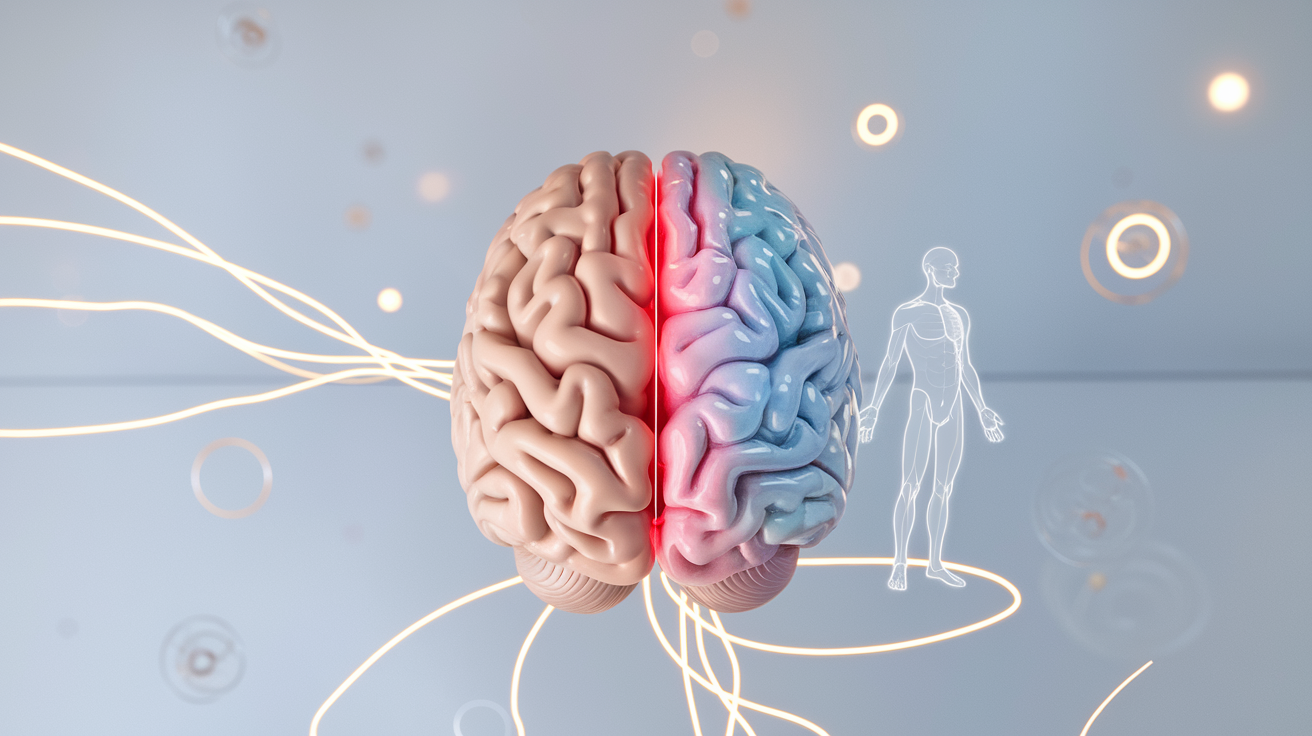
The intricate connection between mental health and immunity forms the cornerstone of the mind-body relationship. This bidirectional link means that our psychological state can influence our immune function, and conversely, our immune system can affect our mental well-being. Research has shown that individuals with robust mental health often exhibit stronger immune responses, while those experiencing mental health challenges may have compromised immunity.
To better understand this relationship, let’s examine some key aspects:
| Mental Health Factor | Impact on Immunity |
|---|---|
| Chronic stress | Suppresses immune function |
| Depression | Increases inflammation |
| Anxiety | Alters immune cell distribution |
| Positive emotions | Enhances immune response |
The role of neurotransmitters in both systems
Neurotransmitters, often associated with brain function, play a crucial role in both mental health and immunity. These chemical messengers serve as a bridge between the nervous and immune systems, facilitating communication and coordination.
Key neurotransmitters involved in this interplay include:
- Serotonin: Regulates mood and influences immune cell function
- Dopamine: Affects motivation and modulates immune responses
- Norepinephrine: Involved in stress responses and immune regulation
- Acetylcholine: Influences cognitive function and immune cell activity
The shared involvement of these neurotransmitters in both systems underscores the deep connection between mental health and immunity.
How stress affects immune function
Stress, whether acute or chronic, has a significant impact on our immune system. When we experience stress, our body releases stress hormones like cortisol and adrenaline, which can alter immune function in several ways:
- Suppression of immune cell production
- Reduction in antibody effectiveness
- Increased inflammation throughout the body
- Reactivation of latent viruses
Prolonged stress can lead to a weakened immune system, making us more susceptible to infections and diseases. This highlights the importance of stress management in maintaining both mental and physical health.
The impact of positive emotions on physical health
While negative emotions can compromise our immune system, positive emotions have been shown to enhance physical health. Experiencing joy, gratitude, and optimism can lead to:
- Increased production of immune-boosting cells
- Lower levels of inflammation markers
- Improved cardiovascular health
- Enhanced resistance to infections
Cultivating positive emotions through practices like mindfulness, gratitude journaling, and engaging in enjoyable activities can contribute to a stronger immune system and better overall health.
Understanding the mind-body connection provides valuable insights into how our mental state influences our physical health and vice versa. This knowledge empowers us to take a holistic approach to our well-being, recognizing that caring for our mental health is just as crucial as maintaining our physical health. With this foundation, we can now explore how the immune system specifically influences mental health in more detail.
The Immune System’s Influence on Mental Health
Mental Health’s Impact on Immunity
Depression and weakened immune response
Depression, a prevalent mental health disorder, has far-reaching effects beyond emotional well-being. Research has shown a strong correlation between depression and a weakened immune response. This connection can be attributed to several factors:
- Elevated stress hormones: Depression often leads to increased production of cortisol and other stress hormones, which can suppress immune function over time.
- Inflammation: Chronic depression is associated with higher levels of inflammatory markers in the body, potentially compromising immune system efficiency.
- Behavioral changes: Depressed individuals may engage in behaviors that negatively impact their immune health, such as poor diet, lack of exercise, and substance abuse.
| Impact of Depression on Immunity |
|---|
| Increased susceptibility to infections |
| Slower wound healing |
| Higher risk of autoimmune disorders |
| Reduced effectiveness of vaccines |
Anxiety disorders and increased susceptibility to illness
Anxiety disorders, characterized by persistent worry and fear, can also significantly impact the immune system. The constant state of alertness associated with anxiety can lead to:
- Chronic activation of the “fight or flight” response
- Elevated levels of stress hormones
- Disrupted sleep patterns
- Increased inflammation in the body
These factors contribute to a compromised immune system, making individuals with anxiety disorders more susceptible to various illnesses, including:
- Common colds and flu
- Viral infections
- Gastrointestinal issues
- Cardiovascular problems
Sleep quality and its effect on immune function
Sleep plays a crucial role in maintaining a healthy immune system. During sleep, the body produces and releases cytokines, proteins that help regulate immune responses. Poor sleep quality or insufficient sleep duration can disrupt this process, leading to:
- Reduced production of infection-fighting antibodies
- Decreased natural killer cell activity
- Impaired T-cell function
- Increased inflammation
| Sleep Duration | Impact on Immune Function |
|---|---|
| Less than 6 hours | Significantly compromised |
| 6-7 hours | Moderately compromised |
| 7-9 hours | Optimal immune function |
| More than 9 hours | Potential negative effects |
Improving sleep quality and maintaining a consistent sleep schedule can have profound effects on both mental health and immune function. Some strategies to enhance sleep include:
- Establishing a regular sleep routine
- Creating a relaxing bedroom environment
- Limiting screen time before bed
- Avoiding caffeine and alcohol close to bedtime
- Engaging in regular physical activity
Understanding the intricate relationship between mental health and immunity highlights the importance of addressing both aspects for overall well-being. By taking steps to improve mental health, individuals can potentially boost their immune function and vice versa. This interconnected approach forms the basis for integrative strategies aimed at enhancing both mental and physical health.
Lifestyle Factors Affecting Both Systems
Integrative Approaches to Enhancing Mind-Body Health
Psychoneuroimmunology: A holistic perspective
Psychoneuroimmunology (PNI) offers a comprehensive approach to understanding the intricate relationship between our minds and bodies. This interdisciplinary field explores how psychological processes, the nervous system, and the immune system interact, providing valuable insights into the mind-body connection.
PNI research has revealed fascinating connections:
- Stress hormones can suppress immune function
- Positive emotions can boost immune responses
- Immune cells can influence mood and cognitive function
These findings highlight the importance of addressing both mental and physical health simultaneously for optimal well-being.
| Key Aspect | Impact on Mind | Impact on Body |
|---|---|---|
| Chronic stress | Anxiety, depression | Weakened immune response |
| Positive thinking | Improved mood, resilience | Enhanced immune function |
| Inflammation | Cognitive decline, mood disorders | Increased susceptibility to illness |
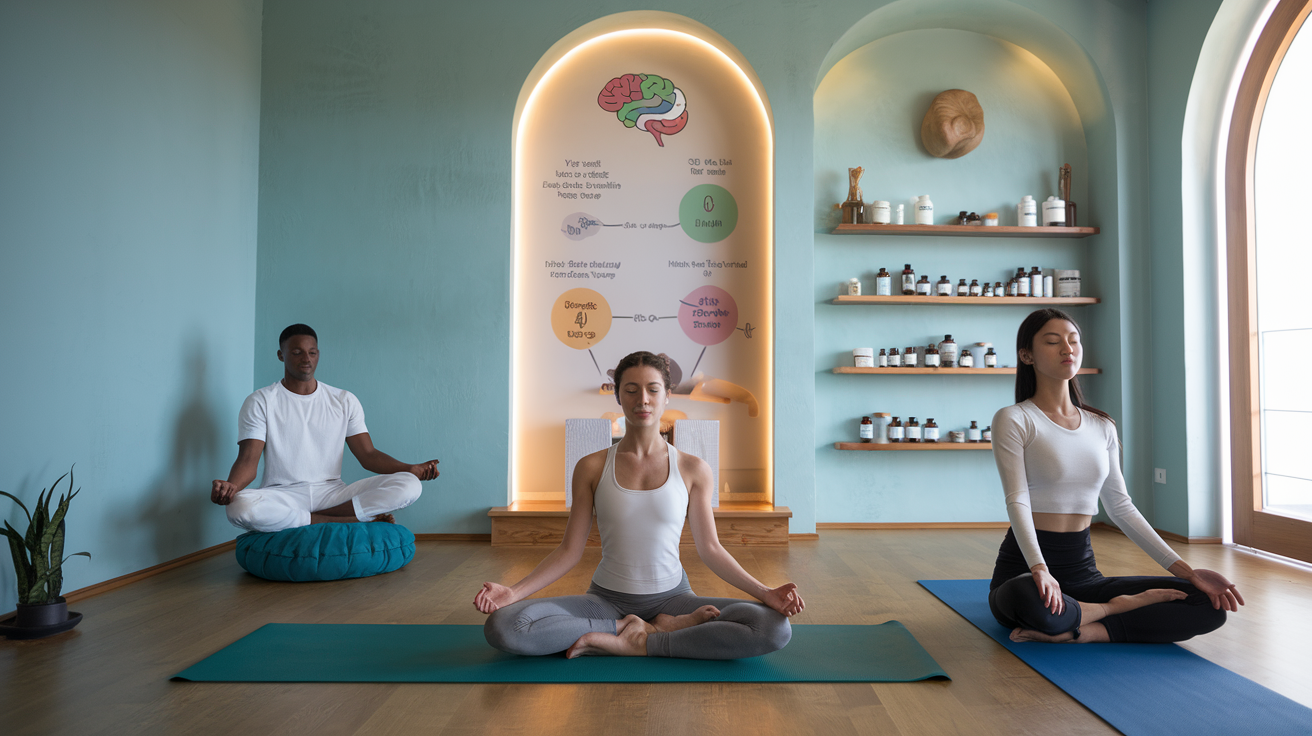
Mind-body practices like yoga and tai chi
Incorporating mind-body practices into your routine can significantly enhance both mental health and immune function. Yoga and tai chi, in particular, have shown remarkable benefits:
- Stress reduction: These practices lower cortisol levels, reducing the negative impact of stress on the immune system.
- Improved sleep quality: Better sleep enhances immune function and mental clarity.
- Increased mindfulness: Being present in the moment can reduce anxiety and depression.
- Enhanced physical fitness: Regular practice improves overall health, supporting immune function.
A study published in the Journal of Behavioral Medicine found that individuals who practiced yoga regularly had lower levels of inflammation markers and reported better mental health outcomes compared to non-practitioners.
The potential of psychedelics in treating mental and immune disorders
Recent research has sparked interest in the therapeutic potential of psychedelics for both mental health and immune-related conditions. While still controversial, studies have shown promising results:
- MDMA-assisted therapy for PTSD: Clinical trials have demonstrated significant improvements in PTSD symptoms, with potential implications for immune function.
- Psilocybin for depression: Studies have shown rapid and long-lasting antidepressant effects, which may indirectly benefit immune health.
- LSD microdosing: Preliminary research suggests potential benefits for mood, creativity, and cognitive function.
It’s important to note that these substances are still largely illegal and should only be used under strict medical supervision. However, the growing body of research highlights the potential for innovative approaches to treating both mental and immune disorders.
As we explore these integrative approaches, it becomes clear that addressing the mind-body connection is crucial for overall health. By adopting a holistic perspective and incorporating practices that target both mental and physical well-being, we can work towards optimizing our health on multiple levels. This comprehensive approach paves the way for more effective treatments and preventive strategies in the future.

The intricate relationship between our immune system and mental health highlights the importance of a holistic approach to well-being. By recognizing how these systems influence each other, we can take proactive steps to improve both our physical and mental health. From managing stress to adopting healthy lifestyle habits, there are numerous ways to support this delicate balance.
Ultimately, nurturing the mind-body connection is crucial for overall health and happiness. By implementing integrative approaches that address both mental and physical aspects of health, we can strengthen our immunity, improve our mental well-being, and lead more balanced, fulfilling lives. Remember, small changes in your daily routine can have a significant impact on your overall health, so start incorporating these strategies today for a healthier tomorrow.