May 4, 2025
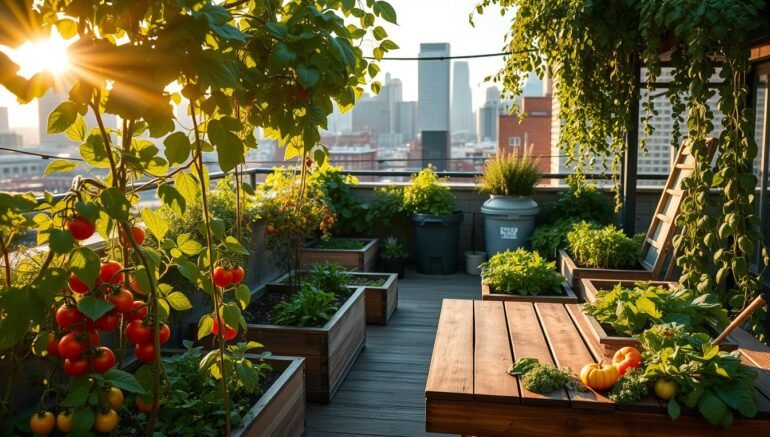
Imagine stepping into your own organic kitchen garden, surrounded by the sights and scents of fresh, homegrown produce. Urban gardening is more accessible than you think, and it’s a great way to bring some greenery into your life, even in the midst of a bustling city.
With beginner gardening tips, you can easily get started on your journey to a more sustainable and self-sufficient lifestyle. Growing your own food not only provides you with fresh, healthy produce but also connects you with nature and your community.
Starting small is key. You don’t need a large backyard to begin; even a balcony or a windowsill can be turned into a thriving garden. By following simple, easy urban tips, you’ll be on your way to enjoying the many rewards of organic gardening.
Key Takeaways
- Urban gardening is accessible and rewarding
- Starting small is key to success
- Organic gardening connects you with nature
- Fresh produce is just the beginning of the benefits
- Easy tips can help beginners get started quickly
The Benefits of Growing Your Own Organic Produce
By starting an organic kitchen garden, you’re not just growing vegetables; you’re investing in your well-being and the planet’s future. Growing your own organic produce can have a significant impact on various aspects of your life and the environment.
Health Benefits of Homegrown Organic Food
Consuming homegrown organic food can lead to improved health outcomes. Organic produce is rich in antioxidants and free from harmful pesticides, making it a healthier choice. Eating organic can reduce the risk of certain diseases, and the freshness of homegrown produce ensures maximum nutritional benefits.
Environmental Impact of Urban Gardening
Urban gardening contributes positively to environmental sustainability. By growing your own food, you reduce your carbon footprint associated with transportation and packaging. Organic gardening practices also promote soil health and biodiversity, supporting local ecosystems.
Economic Advantages of Kitchen Gardening
Growing your own organic produce can lead to significant economic savings. By producing some of your own food, you reduce your reliance on supermarkets and lower your grocery bills. Kitchen gardening can also increase your property value, making it a worthwhile investment.
| Benefits | Description | Impact |
|---|---|---|
| Health Benefits | Rich in antioxidants, free from harmful pesticides | Improved health outcomes |
| Environmental Impact | Reduces carbon footprint, promotes soil health | Supports local ecosystems, sustainability |
| Economic Advantages | Reduces grocery bills, increases property value | Significant economic savings, increased property value |
“Gardening is a love song, a duet between a human being and Mother Nature.”
Assessing Your Urban Space for Gardening Potential
Before you start your urban gardening journey, it’s crucial to assess your space for its gardening potential. This initial assessment will help you understand the possibilities and limitations of your urban space, ensuring you make the most out of your gardening efforts.
Evaluating Light Conditions in Your Space
Light is a critical factor in gardening. Most vegetables and herbs require at least 4-6 hours of direct sunlight per day. Assess the sunlight your space receives throughout the day to determine the best spots for your plants. Consider using mirrors or reflective surfaces to maximize light if necessary.
Identifying Available Areas: Balconies, Windowsills, and Rooftops
Urban spaces often have untapped potential for gardening. Look beyond the usual garden areas and consider balconies, windowsills, and rooftops as potential gardening spots. These areas can be utilized with the right containers and planters, turning them into productive garden spaces.
Understanding Space Limitations and Solutions
Space constraints are common in urban gardening. However, there are several solutions to overcome these limitations. Vertical gardening is one effective method, using wall-mounted planters or trellises to grow plants upwards. Another approach is to use compact or dwarf varieties of plants that are bred for small spaces.
| Space Limitation | Potential Solution |
|---|---|
| Limited Sunlight | Use mirrors or reflective surfaces, choose shade-tolerant plants |
| Small Balcony or Patio | Utilize vertical gardening, compact plant varieties |
| No Direct Garden Space | Use windowsills, indoor containers, or community gardens |
Essential Tools and Materials for Your Organic Kitchen Garden
Creating a sustainable organic kitchen garden begins with gathering the necessary tools and materials. As a beginner, you might be overwhelmed by the variety of gardening tools available, but focusing on the essentials will help you get started on the right foot.
Basic Gardening Tools for Urban Spaces
For urban gardening, you’ll need a set of basic tools that are versatile and efficient. These include:
- A trowel or small shovel for planting and mixing soil
- Pruning shears for trimming plants
- A watering can or watering globe
- A garden fork for turning over soil
These basic gardening tools will help you maintain your garden with ease.
Eco-Friendly Containers and Planters
Choosing the right containers is crucial for your organic kitchen garden. Opt for eco-friendly materials like terracotta, ceramic, or recycled plastic. These materials are not only sustainable but also provide good aeration and insulation for your plants.
Some popular eco-friendly container options include:
- Terracotta pots
- Wooden planters
- Recycled plastic containers
Water Conservation Equipment
Water conservation is vital in organic gardening. Using the right equipment can help you save water and reduce your environmental impact. Consider using:
- Rain barrels to collect rainwater
- Drip irrigation systems for efficient watering
- Self-watering planters
These water conservation methods will help you maintain a healthy garden while being mindful of your water usage.
How to Start an Organic Kitchen Garden – Easy Urban Tips
Starting an organic kitchen garden in an urban setting can be a rewarding experience with the right guidance. As you embark on this journey, it’s essential to lay a solid foundation for your garden’s success.
Creating a Realistic Garden Plan
Begin by assessing your space and determining what you can realistically grow. Consider the amount of sunlight your area receives and the types of plants that will thrive in those conditions. Creating a garden plan will help you visualize your space and make the most of it. Think about the layout, the types of plants you want to grow, and how you will care for them.
A well-thought-out plan will also help you avoid common pitfalls and ensure a bountiful harvest. You can start by sketching out a basic design and making a list of the necessary materials and tools.
Setting a Budget for Your Urban Garden
Setting a budget is a crucial step in starting your organic kitchen garden. Determine how much you are willing to spend on initial setup and ongoing maintenance. Consider the cost of seeds, soil, containers, and any other necessary materials. You can start small and expand your garden as you become more comfortable with gardening.
By setting a budget, you’ll be able to make informed decisions about your garden and avoid unnecessary expenses. You can also explore cost-effective options, such as repurposing containers or starting seeds indoors.
Establishing a Gardening Calendar
An effective way to keep your garden on track is by establishing a gardening calendar. This will help you keep track of important tasks, such as planting, watering, and harvesting. You can plan your garden’s activities around the seasons, ensuring that you’re prepared for the changing weather conditions.
A gardening calendar will also help you monitor your progress and make adjustments as needed. You can use a physical calendar or a mobile app to stay organized and on schedule.
Selecting the Right Soil and Organic Amendments
The foundation of a successful organic garden lies in selecting the right soil and organic amendments. When you’re growing vegetables at home, the quality of your soil directly impacts the health and productivity of your plants.
Understanding Soil Requirements for Container Gardening
For container gardening, the soil needs to be well-draining and rich in nutrients. You can achieve this by mixing compost and perlite into your potting soil to enhance its structure and fertility.
Making Your Own Organic Compost
Compost is a vital component of organic gardening. To make your own, combine kitchen scraps like vegetable peels and tea bags with yard waste. Ensure the pile is kept moist and turned regularly to speed up decomposition.
Natural Fertilizers for Organic Gardens
In addition to compost, natural fertilizers can provide essential nutrients. Options include fish emulsion, bone meal, and manure tea. These fertilizers release nutrients slowly, promoting healthy plant growth without the risk of chemical buildup.
| Soil Amendment | Purpose | Examples |
|---|---|---|
| Compost | Improves soil structure and fertility | Kitchen scraps, yard waste |
| Natural Fertilizers | Provides essential nutrients | Fish emulsion, bone meal, manure tea |
| Potting Mix Enhancers | Enhances drainage and aeration | Perlite, vermiculite |
By understanding and implementing the right soil and amendments, you’ll be well on your way to a thriving sustainable gardening practice.
Choosing the Best Vegetables and Herbs for Urban Gardens
The success of your urban garden depends on selecting vegetables and herbs that thrive in small spaces. When choosing what to grow, consider the amount of sunlight your garden receives, the climate, and the space available.
Top Vegetables That Thrive in Small Spaces
Some vegetables are better suited for small urban gardens than others. Leafy greens like lettuce and kale are excellent choices because they require minimal space and can be harvested continuously. Cherry tomatoes and peppers are also ideal for small spaces, as they can be grown in containers and produce a high yield.
- Radishes
- Spinach
- Green beans
- Carrots (some varieties are more compact)
Herbs Perfect for Kitchen Gardens
Herbs are a great addition to any kitchen garden, adding fresh flavor to a variety of dishes. Basil, mint, and cilantro are popular choices for urban gardens because they are easy to grow and require minimal care. Other herbs like parsley, rosemary, and thyme can also thrive in small spaces.
Companion Planting Strategies
Companion planting is a technique where different plants are grown together to improve growth, health, or productivity. For example, planting marigolds with tomatoes can help deter nematodes, while basil with tomatoes can improve flavor and repel pests.

Planting Techniques for Maximum Yield in Limited Space
Urban gardening isn’t just about growing plants; it’s about growing them smartly. To maximize your yield in limited urban spaces, you need to employ effective planting techniques.
Vertical Gardening Methods
Vertical gardening is a game-changer for urban gardeners. By using walls or trellises, you can grow a variety of plants upwards, saving ground space. Vertical gardening kits are available, or you can DIY using pallets or hanging baskets. This method is particularly effective for vining plants like peas, beans, and cucumbers.
Square Foot Gardening for Urban Spaces
Square foot gardening involves dividing your garden into small, square sections, typically 1 foot by 1 foot. This technique allows you to grow a diverse range of plants in a compact area. It’s ideal for small space gardening and can be adapted to containers or raised beds. By intensively planting and using companion planting strategies, you can maximize your yield.
| Crop | Spacing | Yield per Square Foot |
|---|---|---|
| Lettuce | 4 per square foot | 4 heads |
| Tomatoes | 1 per square foot | 10 lbs |
| Radishes | 16 per square foot | 16 bunches |
Succession Planting to Maximize Harvests
Succession planting involves planting small batches of seeds every 1-2 weeks. This technique ensures a continuous harvest throughout the growing season. For example, you can successionally plant lettuce, spinach, or radishes to have a constant supply of fresh greens. It’s a great strategy for urban farming and makes the most of your limited space.
By incorporating these planting techniques into your urban gardening routine, you’ll be able to maximize your yield and enjoy a bountiful harvest, even in the smallest of spaces.
Watering and Maintenance Routines
To keep your urban garden healthy, it’s essential to establish effective watering and maintenance routines. A well-planned maintenance schedule ensures that your organic gardening efforts are rewarded with a bountiful harvest.
Efficient Watering Systems for Urban Gardens
Implementing an efficient watering system is crucial for sustainable gardening. Consider using drip irrigation or soaker hoses, which deliver water directly to the roots, reducing evaporation and runoff. This approach not only conserves water but also promotes healthy root development.
Daily and Weekly Maintenance Tasks
Regular maintenance is vital for the success of your garden. Daily tasks include checking soil moisture, inspecting plants for signs of pests or diseases, and watering as needed. Weekly tasks involve weeding, pruning, and fertilizing. By staying on top of these tasks, you’ll be growing vegetables at home in no time.
- Check soil moisture daily
- Inspect plants for pests or diseases
- Water plants as needed
- Weed and prune plants weekly
- Fertilize plants according to their needs
Seasonal Care Requirements
Different seasons bring different challenges for gardeners. In the spring, focus on preparing the soil and planting new crops. Summer requires regular watering and pest management. In the fall, clean up the garden and prepare for the next season. Winter is the time for planning and maintenance. By following these seasonal care requirements, you’ll ensure the long-term health of your garden.
“A garden is a love song, a duet between a human being and Mother Nature.” – Jeff Cox
Organic Pest Management in Urban Settings
As an urban gardener, you’ll need to adopt organic methods to control garden pests. Organic pest management is crucial for maintaining a healthy and sustainable kitchen garden. By using natural techniques, you can protect your plants without harming the environment.
Common Pests in Urban Gardens
Urban gardens are susceptible to various pests, including aphids, whiteflies, and spider mites. These pests can cause significant damage to your plants if not managed properly. Regular monitoring of your garden is essential to identify infestations early.
Natural Methods for Pest Control
There are several natural methods to control pests in your urban garden. These include introducing beneficial insects, such as ladybugs and lacewings, which prey on common pests. You can also use neem oil and insecticidal soap to deter pests without harming beneficial insects.
Disease Prevention in Organic Gardens
Preventing diseases is as important as controlling pests. Ensure good air circulation around your plants, and avoid overhead watering to reduce the risk of fungal diseases. Removing infected plants or parts can also help prevent the spread of disease.
By adopting these organic pest management strategies, you can maintain a healthy, thriving urban garden that provides you with fresh, sustainable produce.
Overcoming Common Urban Gardening Challenges
As you embark on your urban gardening journey, you’ll likely encounter several obstacles that can hinder your progress. Understanding these challenges and knowing how to overcome them is crucial for a successful harvest.
Dealing with Limited Sunlight
Limited sunlight is a common issue in urban gardening. To address this, you can select shade-tolerant plants or use grow lights to supplement natural light. Some vegetables and herbs require less sunlight, making them ideal for areas with limited sun exposure.
- Choose plants like leafy greens, herbs, and certain varieties of tomatoes that can thrive in partial shade.
- Consider using reflective surfaces to maximize the available light.
Managing Weather Extremes in the City
Urban areas can experience extreme weather conditions, from intense heat to cold snaps. Using protective measures like row covers or bringing plants indoors during harsh weather can help mitigate these effects.
Key strategies include:
- Using containers that can be moved to sheltered locations during extreme weather.
- Implementing insulation techniques, such as mulching, to protect soil temperature.
Solutions for Small Space Constraints
Maximizing space is essential in urban gardening. Techniques like vertical gardening, square foot gardening, and succession planting can help you make the most of your available space.
By adopting these strategies, you can enjoy a productive and thriving urban garden despite the challenges.
Conclusion: Enjoying the Fruits of Your Labor
As you complete the journey of starting your organic kitchen garden, you’ll discover the joy of harvesting fresh produce right in your urban space. By following the easy urban tips outlined in this article, you’ve taken the first step towards a healthier, more sustainable lifestyle. Growing your own organic kitchen garden as a beginner gardener not only provides you with fresh, chemical-free produce but also connects you with nature and enhances your overall well-being.
Now, it’s time to relish the rewards of your labor. Savor the flavors of your homegrown vegetables and herbs, and share your bounty with friends and family. As you enjoy the fruits of your labor, you’ll appreciate the value of how to start an organic kitchen garden and the positive impact it has on your life and the environment. Happy gardening!
FAQ
What are the benefits of starting an organic kitchen garden in an urban setting?
Starting an organic kitchen garden in an urban setting provides numerous benefits, including access to fresh, healthy produce, a positive environmental impact through urban gardening, and economic savings through kitchen gardening.
How do I assess my urban space for gardening potential?
To assess your urban space, evaluate the light conditions, identify potential gardening areas such as balconies, windowsills, and rooftops, and consider solutions to overcome space limitations, allowing you to create a thriving organic kitchen garden.
What are the essential tools and materials needed for an organic kitchen garden?
The necessary tools and materials include basic gardening tools, eco-friendly containers and planters, and water conservation equipment, all of which will help you establish a sustainable and productive urban garden.
How do I choose the right soil and organic amendments for my garden?
To select the right soil and amendments, understand the soil requirements for container gardening, learn how to make your own organic compost, and explore natural fertilizers suitable for organic gardens, ensuring a healthy and thriving garden.
What vegetables and herbs are best suited for urban gardens with limited space?
For urban gardens, choose vegetables that thrive in small spaces, such as leafy greens and cherry tomatoes, and herbs like basil and mint, which are perfect for kitchen gardens. Companion planting strategies can also enhance your garden’s productivity.
What are some effective planting techniques for maximizing yield in limited urban spaces?
Techniques like vertical gardening, square foot gardening, and succession planting can help maximize your harvest in small urban spaces, making the most of your available gardening area.
How can I manage watering and maintenance for my organic kitchen garden?
Implement efficient watering systems, perform daily and weekly maintenance tasks, and adjust your care routine according to seasonal requirements to ensure your garden remains healthy and productive.
What are some organic pest management strategies for urban gardens?
Identify common garden pests, use natural pest control methods, and take steps to prevent diseases in your organic garden, maintaining a balanced ecosystem and minimizing the use of chemical pesticides.
How can I overcome common challenges faced by urban gardeners, such as limited sunlight and weather extremes?
By understanding the specific challenges of your urban environment, you can find practical solutions, such as using shade-tolerant plants for limited sunlight or employing protective measures against weather extremes, to ensure your garden’s success.
Is sustainable gardening achievable in small urban spaces?
Yes, sustainable gardening is achievable in small urban spaces by adopting practices like organic gardening, using eco-friendly materials, and conserving water, allowing you to create a productive and environmentally friendly garden.
How can I start growing vegetables at home in my urban setting?
To start growing vegetables at home, begin by assessing your space, selecting the right vegetables and herbs, preparing your soil, and implementing effective planting and maintenance techniques, tailored to your urban environment.