
May 20, 2025
The world’s food demand is set to almost double by 2050. This is a big challenge for traditional ways of making protein. As our population grows, we need new, sustainable ways to feed everyone.
Biotechnology is changing how we make protein. It’s introducing new options like insect and algae proteins. I’ll look into how biotechnology is shaping the future of protein making.
Key Takeaways
- Biotechnology is transforming the protein production landscape.
- Alternative protein sources are becoming increasingly important.
- Innovative solutions are being developed to address global food security challenges.
- The future of protein production is being shaped by biotech advancements.
- Sustainable protein sources are key for meeting growing global demand.
The Global Protein Challenge
The world is facing a big challenge to find sustainable protein sources. By 2050, the global population is expected to hit 9.7 billion. This growth means more people will need protein, putting a strain on traditional farming.
Growing Population and Increasing Demand
The growing population is a big reason for the protein challenge. As people earn more, they want to eat more protein-rich foods. This is true, even in developing countries where more money means more meat and dairy.
Environmental Impact of Traditional Protein Sources
Traditional farming has a big environmental impact. It leads to greenhouse gas emissions, deforestation, and water pollution. For example, it’s thought that farming animals is behind about 14.5% of global GHG emissions. We need to find ways to lessen these effects.
The Need for Sustainable Alternatives
We need sustainable alternatives to traditional protein sources. Biotechnology is helping by creating new protein sources like insects, algae, and cellular agriculture. These options could greatly reduce the environmental harm from protein production.
Some benefits of these sustainable protein sources include:
- Less greenhouse gas emissions
- Less water used
- More food security
Understanding Biotechnology's Role in Protein Innovation
Modern biotechnology is leading the way in creating new protein sources. It makes production more efficient and better for the environment. With a growing world population and changing food tastes, biotechnology offers sustainable and innovative solutions.
Defining Modern Biotechnology in Food Production
Modern biotechnology uses advanced technologies like genetic engineering, fermentation, and cell culture techniques. These tools help make new protein sources, boost production, and cut down environmental harm.
Key Technologies Driving Protein Development
Genetic engineering lets us tweak organisms to increase protein production and quality. Fermentation technology helps make protein-rich foods, like mycoprotein. Cell culture techniques are also key in creating cell-cultured meat and other new protein products.
The Intersection of Food Science and Biotech
The mix of food science and biotechnology is creating sustainable, nutritious, and appealing protein products. Food scientists use biotech to make novel protein sources. These meet consumer needs and help make food systems more eco-friendly.
Looking ahead, biotechnology’s role in protein production will be vital. It will shape the future of what we eat.
Insect Protein: The Tiny Livestock Revolution
Biotech is changing the game in insect protein, making it a strong contender against traditional livestock. Insect farming, or entomofarming, is becoming a key player in sustainable protein. It’s seen as a way to lessen environmental harm while boosting nutrition.
Common Insect Species Used for Protein
Some insects are better than others for protein farming. Crickets, mealworms, and black soldier flies stand out. They’re packed with nutrients and breed quickly, making them perfect for farming.
Crickets, Mealworms, and Black Soldier Flies
Crickets are a top choice for their protein-rich diet. Mealworms are favored for their nutrition and easy farming. Black soldier flies are great at turning waste into protein.
Biotech Advancements in Insect Farming
Biotech is boosting insect farming. Genetic research and precision farming are making insects more productive and nutritious. These changes are helping insect protein compete in the market.
Nutritional Profile and Benefits
Insect protein is full of good stuff like amino acids, vitamins, and minerals. It’s easy to digest and has healthy fats. This makes it a great choice for a balanced diet.
Current Market Applications and Products
Insect protein is in many products now, like protein powders, bars, and foods. It’s also used in animal and pet food. This offers a green alternative to traditional feeds.
Algae as a Protein Powerhouse
Algae are a group of aquatic organisms full of protein. They are being used for their nutritional value and sustainable production.
Microalgae vs. Macroalgae Protein Sources
Algae are split into microalgae and macroalgae. Microalgae are tiny and packed with protein, used as supplements. Macroalgae, or seaweed, are bigger and have been eaten for centuries, mainly in Asia.
Biotechnological Cultivation Methods
Biotechnology is key in growing algae. It uses genetic engineering and selecting strains to boost yield and nutrition.
Photobioreactors and Controlled Environment Systems
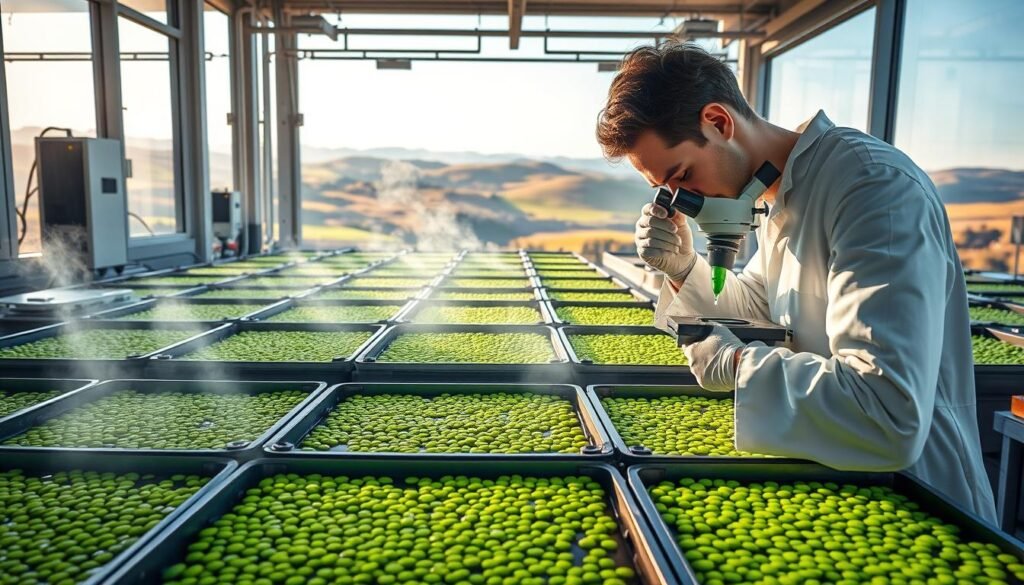
Photobioreactors create a perfect space for algae to grow. They control light, temperature, and nutrients. This leads to better quality and more algae.
Nutritional Advantages of Algal Proteins
Algal proteins are full of essential amino acids and omega-3 fatty acids. They also have antioxidants. This makes them great for those looking for healthy options.
Commercial Products and Applications
Algal proteins are in many products like supplements, food, and cosmetics. Companies are using algae to make new, nutritious products.
| Algae Type | Protein Content | Common Uses |
|---|---|---|
| Microalgae | 50-70% | Nutritional supplements, animal feed |
| Macroalgae | 10-30% | Food ingredients, cosmetics |
Fungal and Mycelium-Based Proteins
The world is looking for better protein sources, and fungal and mycelium-based proteins are stepping up. These alternatives are made through biotech and are good for the planet and our health.
Mycoprotein Development Through Biotech
Mycoprotein comes from fungi and is made better through biotech. Biotech advancements help make it more nutritious and easier to produce. This makes it great for many foods.
Fermentation Technologies and Innovations
Fermentation is key in making fungal and mycelium proteins. Innovative fermentation technologies make the process more efficient and cost-effective. They also boost the nutritional value of these proteins.
Nutritional Benefits and Market Presence
These proteins are packed with nutrients like protein, fiber, and vitamins. They’re becoming more popular in the market. You can find them in everything from meat substitutes to health supplements.
| Nutritional Component | Fungal/Mycelium-Based Proteins | Traditional Protein Sources |
|---|---|---|
| Protein Content | High | Variable |
| Fiber Content | High | Low |
| Environmental Impact | Low | High |
How Biotech Is Creating New Protein Sources Through Cellular Agriculture
Biotechnology is leading the way in creating new protein sources through cellular agriculture. This method is changing our food systems. It tackles big environmental and ethical issues linked to traditional farming.
Cell-Cultured Meat Technology
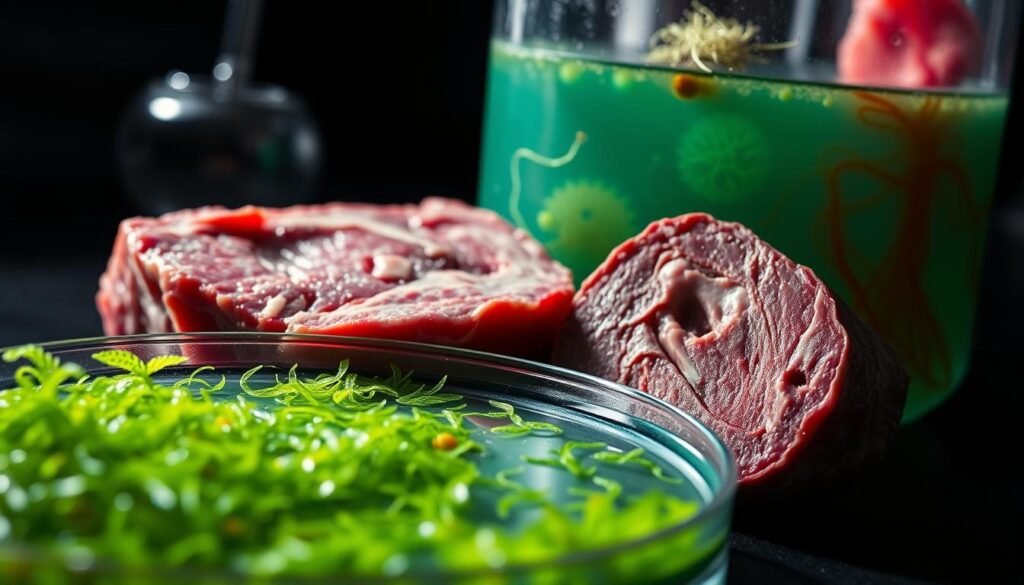
Cell-cultured meat technology is a key part of cellular agriculture. It grows meat from animal cells in a controlled setting, like a bioreactor. This approach could greatly reduce the environmental impact of meat production.
Growth Media and Scaffolding Innovations
Innovations in growth media and scaffolding are vital for cell-cultured meat. Growth media offer the nutrients needed for cell growth. Scaffolding gives the meat its texture and structure. Companies are working to make these processes more efficient and affordable.
Precision Fermentation for Dairy Alternatives
Precision fermentation is another important technology in cellular agriculture, for making dairy alternatives. It uses microorganisms to ferment plant-based materials. This creates dairy products that taste and feel like traditional ones but are better for the environment.
Regulatory Challenges and Progress
There are regulatory hurdles to overcome in cellular agriculture. Governments are figuring out how to regulate these new technologies. They aim to ensure safety while encouraging innovation. Regulatory frameworks are being developed, with some countries making progress in approving cell-cultured meat.
Investment Landscape and Major Players
The investment scene for cellular agriculture is lively, with lots of funding going to startups and big companies. Major players include biotech firms, traditional food companies, and venture capitalists.
“The future of food is being rewritten by biotech innovations, and investors are taking note,”
said a leading industry expert. With more investment, we can expect quick progress in cellular agriculture technologies.
Plant-Based Proteins Enhanced Through Biotechnology
Biotechnology is changing how we make plant-based proteins. It’s making food production more sustainable. As people want more protein, biotech is key to improving plant-based options.
Genetic Modification for Improved Protein Content
Genetic changes are making plants more protein-rich. This makes food better for us and more efficient to produce. Biotech is essential for these high-protein crops, which are needed for the future.
Novel Extraction and Processing Methods
Biotech is also improving how we get proteins from plants. New methods make production more efficient and green. Advanced techniques help get more protein from plants, making it better quality.
Creating Meat-Like Textures and Flavors
One big challenge is making plant proteins taste and feel like meat. Biotech is solving this by making plant proteins more like meat.
“The future of food lies in the ability to create products that are not only sustainable but also indistinguishable from traditional meat,”
says a leading expert in food technology. Companies are using biotech to make plant-based foods that taste and feel like meat.
Biotech is making plant proteins better through genetic changes and new ways to extract and process them. These biotech advancements in protein production are vital for a sustainable future. They help meet protein demand while being kinder to the planet.
Overcoming Challenges in Alternative Protein Development
Biotech is making big strides in creating new protein sources. But, it faces many hurdles to succeed. The future of protein biotechnology relies on solving these problems to offer sustainable options.
Scaling Production Systems
One big challenge is making more protein fast enough to meet demand. Companies are using advanced fermentation technologies and precision agriculture to improve how they make protein. For example, Quorn uses mycoprotein fermentation to create meat substitutes.
Cost Reduction Strategies
Lowering costs is key to making alternative proteins affordable. Companies are working on making production cheaper by improving processes and finding cheaper ingredients. They’re also looking into new ways to make protein to save money.
Consumer Acceptance and Cultural Barriers
Getting people to try new proteins is tough. What people like to eat and their cultural backgrounds matter a lot. To overcome this, companies are making products that taste and feel like traditional proteins. They’re also teaching people about these new options.
Regulatory Frameworks and Safety Assessments
Meeting safety standards and following rules is vital for new proteins to hit the market. Biotech firms must work with regulators to ensure their products are safe and approved.
In summary, despite the obstacles, biotech is working hard to solve them. The focus is on making more protein, making it cheaper, getting people to try it, and following the rules. The protein innovation in biotech is set to change how we get protein in the future.
Environmental and Social Impact of Biotech Protein Sources
Biotech-driven protein sources are changing how we see food production. They offer a new way to think about sustainability. It’s important to look at their impact on the environment and society.
Carbon Footprint Comparisons
Proteins from insects, algae, and mycoprotein have a much lower carbon footprint than traditional farming. Insect farming, for example, needs much less land and food. This leads to fewer greenhouse gas emissions.
A study showed that insect-based proteins have up to 100 times less emissions than beef. This is a big step towards reducing our carbon footprint.
Water and Land Use Efficiency
Biotech proteins are also better for water and land use. Algal proteins, for instance, can grow in small spaces, needing little land and water. Mycoprotein, made through fermentation, also uses less water and land than animal farming.
This efficiency is key as our population grows. It helps us use natural resources more wisely.
Food Security Implications
Biotech proteins have big implications for food security. They offer sustainable alternatives to meet our growing protein needs. This is vital in areas where traditional protein sources are scarce or unsustainable.
Biotech proteins can improve food security by providing more protein options. They help reduce the need for resource-intensive livestock farming.
Ethical Considerations and Social Benefits
Biotech proteins also raise ethical questions. Insect farming and cellular agriculture offer animal-friendly alternatives. They can reduce animal welfare concerns.
These proteins can also create jobs in rural areas. They help make food systems more fair. As the industry grows, we must tackle consumer acceptance and cultural barriers.
In conclusion, biotech proteins are a promising solution to traditional protein production’s problems. They help us move towards a more sustainable, fair, and food-secure world.
Conclusion: The Future of Protein on Our Plates
Looking ahead, biotech is changing how we make and eat protein. New sources like insects, algae, and mycoprotein are becoming popular. They offer a sustainable, healthy, and tasty option compared to traditional proteins.
Biotech is making it possible to create new proteins. This is good for our health and the planet. The future of protein biotech looks bright, with chances to help in many fields, including food and medicine.
We need to keep supporting research and development. This ensures these new proteins are available and affordable for everyone. By doing this, we can build a better food system. It will feed more people and be kinder to our planet. The role of biotech in finding new protein sources is key to our food’s future.
FAQ
What is driving the need for alternative protein sources?
The world’s growing population and increasing demand for protein are key drivers. Traditional protein sources harm the environment. Livestock contribute to greenhouse gas emissions, deforestation, and water pollution.
How is biotechnology transforming the protein landscape?
Biotechnology uses advanced technologies like genetic engineering and fermentation. It creates new protein sources, boosts production, and cuts environmental harm.
What are some examples of alternative protein sources being developed through biotech?
Examples include insect protein, algae-based protein, and cell-cultured meat. These are made possible by biotech innovations.
How is insect protein being developed and used?
Biotech improves insect farming and nutritional profiles. It’s used in food, feed, and pharmaceuticals, thanks to market applications.
What are the benefits of algae-based protein?
Algal proteins are nutritious. Biotech enhances algae production. They’re used in food, feed, and nutrition.
How is biotechnology improving plant-based proteins?
Biotech boosts protein content and develops new extraction methods. It creates meat-like textures and flavors, growing plant-based protein markets.
What are some challenges facing the development of alternative proteins?
Challenges include scaling production, reducing costs, and addressing consumer and regulatory concerns.
What is the environmental impact of biotech-driven protein sources?
Biotech-driven proteins have benefits. They reduce carbon footprint and improve water and land use. They also enhance food security.
How is cellular agriculture transforming the protein landscape?
Cellular agriculture innovates in cell-cultured meat and precision fermentation. It addresses regulatory challenges, attracts investment, and drives market growth.
What is the future of protein production and consumption?
The future of protein is exciting and evolving fast. Biotech innovations will shape food production, processing, and consumption.