May 3, 2025
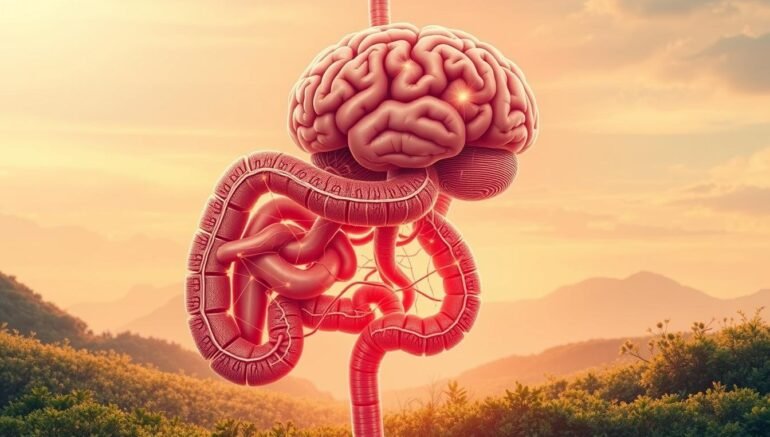
Did you know that the brain and gut microbiome are intimately connected? Research has shown that there is a bi-directional communication between the gut and brain, influencing everything from our emotions to our ability to think clearly.
According to Arpana “Annie” Gupta, PhD, co-director of the Goodman-Luskin Microbiome Center at UCLA, “The brain and the gut are like BFFs. The brain and the gut are in constant communication with each other.” This connection plays a crucial role in our overall health and mental health.
Understanding this intricate relationship can help us make informed dietary choices that support both our digestive system and brain function. By exploring the role of nutrition and the microbiome in our health, we can unlock the potential of natural foods to enhance our mood and cognition.
Key Takeaways
- The gut and brain are connected through a bi-directional communication system.
- This connection influences our emotions, cognitive abilities, and overall health.
- Informed dietary choices can support both digestive health and brain function.
- Nutrition plays a crucial role in maintaining a healthy gut microbiome.
- Natural foods can be used to enhance mood and cognition.
The Gut-Brain Connection: Understanding the Foundation
Our gut and brain are connected through a bidirectional communication system that affects our mental and physical health. This complex relationship involves multiple pathways that enable the exchange of information between the gut and the brain.
The Bidirectional Communication System
The communication between the gut and brain is not a one-way process; rather, it’s a dynamic, two-way system where signals travel in both directions. The vagus nerve plays a crucial role in this communication, acting as a primary highway between the brain and the digestive system. It transmits information about our digestive state directly to the brain, influencing our overall health.
Four Main Channels of Gut-Brain Communication
There are four main channels through which the gut and brain communicate: neural connections, immune system pathways, endocrine signaling, and metabolites produced by gut bacteria. Gut microbes produce chemicals and metabolites that circulate in the blood to the brain, affecting brain function and influencing mood. For instance, gut microbes produce neurotransmitters like serotonin, which plays a significant role in mood regulation.
The gut microbiome also influences inflammation levels throughout the body, directly impacting brain function and mental health. Furthermore, endocrine cells in the gut produce hormones and neuropeptides that affect brain function, creating another layer of communication between these two systems.
The Science Behind Gut-Brain Health
Understanding the science behind gut-brain health reveals the fascinating connections between our digestive system and mental wellbeing. The gut-brain system involves a bidirectional communication network between the central nervous system and the enteric nervous system, linking emotional and cognitive centers of the brain with peripheral intestinal functions.
The Enteric Nervous System: Your “Second Brain”
The enteric nervous system (ENS) is often referred to as our body’s “second brain” or “gut brain.” It facilitates gastrointestinal function and contains over 100 million nerve cells, more than the spinal cord, allowing it to regulate digestive processes and communicate with the brain.
The ENS sends signals to the brain that trigger changes in our mood, emotions, and cognitive function. This complex network operates independently yet in coordination with our central nervous system, playing a crucial role in our overall health.
How Neurotransmitters Are Produced in the Gut
A significant aspect of the gut-brain connection is the production of neurotransmitters in the gut. “Serotonin is one of those neurotransmitters associated with mental health, and it’s produced by good bacteria,” as noted by Dr. Gupta. Up to 95% of serotonin is produced in the gut, highlighting the importance of maintaining a healthy gut microbiome through diet.
| Neurotransmitter | Function | Production Site |
|---|---|---|
| Serotonin | Mood Regulation | Gut (95%) |
| Dopamine | Reward and Motivation | Brain and Gut |
Research has shown that the composition of the gut microbiome influences brain function and mental health, with connections to conditions like depression, anxiety, and neurodegenerative diseases. By understanding how neurotransmitters are produced in the gut, we can appreciate the role of diet in supporting mental health.
How Nutrition Impacts Mental Health and Cognitive Function
The relationship between nutrition and mental health is becoming increasingly clear, with research highlighting the impact of dietary choices on both mood and cognitive function. As Shelby Yaceczko, RD, a registered dietitian at UCLA, notes, “We’re starting to recognize more that the nutrients we get from healthy foods and beverages can enable us to think more clearly and feel better.” A diet rich in antioxidants, phytonutrients, and fiber supports anti-inflammatory properties, beneficially altering neurotransmitters and affecting mood and cognition.
Essential Nutrients for Brain Health
Essential nutrients play a critical role in maintaining optimal brain health and function. Omega-3 fatty acids, particularly EPA and DHA, are crucial for brain function and development. B vitamins, especially B6, B9, and B12, are involved in synthesizing neurotransmitters and maintaining homocysteine levels, which is associated with cognitive decline when elevated. Antioxidants, such as vitamins C and E, protect brain cells from oxidative stress, while amino acids serve as precursors to neurotransmitters, directly influencing mood regulation.
The Metabolic Connection Between Food and Cognition
The brain consumes approximately 20% of the body’s energy expenditure despite accounting for only 2% of its weight, highlighting the significant metabolic demands of brain function. Dietary choices directly impact this energy metabolism, with complex carbohydrates providing a sustained energy source. The composition of gut bacteria, influenced by fiber intake, affects neurotransmitter production and, consequently, brain function. Understanding this metabolic connection underscores the importance of a balanced dietary approach in maintaining cognitive function and mental health.
Eating for Gut-Brain Health – Natural foods that improve mood and cognition
A healthy gut microbiome is crucial for maintaining a healthy brain, and dietary choices play a significant role in achieving this balance. The gut and brain are connected through a complex bidirectional communication system, and nutrition plays a key role in this interaction.
The Role of Probiotic Foods
Probiotic foods are rich in live bacteria that can help populate the gut with beneficial microbes. According to Natalie Gavi, RD, a registered dietitian with the UCLA Steve Tisch BrainSPORT Program, some beneficial probiotic foods include yogurt, sauerkraut, kefir, miso, tempeh, kombucha, and kimchi. It’s essential to consume these foods fresh and refrigerated to ensure the beneficial bacteria remain intact. Probiotic foods can influence neurotransmitter production and mood regulation, supporting overall brain health.

Prebiotic Foods: Feeding Your Good Bacteria
Prebiotic foods contain specific fibers that feed beneficial gut bacteria, allowing them to thrive and produce compounds that support brain health. Some prebiotic-rich foods include asparagus, apples, Jerusalem artichokes, bananas, oats, onions, garlic, and leek. Combining probiotic and prebiotic foods creates a synergistic effect that maximizes benefits for both gut and brain health. A diet rich in these foods can support mental wellbeing and improve mood.
| Food Type | Examples | Benefits |
|---|---|---|
| Probiotic Foods | Yogurt, Sauerkraut, Kefir, Kimchi | Introduce beneficial bacteria to the gut microbiome |
| Prebiotic Foods | Asparagus, Apples, Bananas, Onions | Feed beneficial gut bacteria, supporting brain health |
| Combined Effect | Probiotic + Prebiotic Foods | Maximizes benefits for gut and brain health |
Brain-Boosting Foods for Enhanced Mood
A well-balanced diet rich in specific nutrients can play a crucial role in supporting mental health and enhancing mood. Certain foods have been scientifically proven to boost brain function, reduce symptoms of depression, and support overall cognitive health. By incorporating these foods into your diet, you can take a proactive approach to improving your mental wellbeing.
Fatty Fish and Omega-3 Fatty Acids
Fatty fish like salmon, mackerel, and sardines are rich in omega-3 fatty acids, particularly EPA and DHA. These essential fats are crucial for brain health, forming brain cell membranes and reducing inflammation that can contribute to depression and anxiety. Studies have shown that omega-3s can help reduce symptoms of depression and support cognitive function. Incorporating fatty fish into your diet a few times a week can have a significant positive impact on your mood and brain health.
Dark Leafy Greens and B Vitamins
Dark leafy greens such as spinach, kale, and Swiss chard are packed with folate (vitamin B9), a nutrient that helps produce serotonin—a neurotransmitter known as the “feel-good” chemical. Low levels of folate have been linked to depression, making it essential to include folate-rich foods in your diet. These greens are also rich in other B vitamins that support mood regulation and overall brain health.
Berries and Antioxidants
Blueberries, strawberries, and blackberries are rich in antioxidants, which combat inflammation and protect brain cells from oxidative stress. Antioxidants help neutralize free radicals, which can contribute to mental decline and stress-related damage. Including a variety of berries in your diet can help support mood regulation and potentially slow cognitive decline.
By understanding the role of these brain-boosting foods, you can make informed dietary choices to support your emotional wellbeing and enhance your mood.
Whole Grains and Complex Carbohydrates for Mental Stability
Eating whole grains rich in complex carbohydrates is a simple yet effective way to support mental stability and cognitive function. Whole grains such as oats, quinoa, and brown rice are excellent sources of complex carbohydrates, which help stabilize blood sugar levels and provide sustained energy.
Stabilizing Mood with Complex Carbs
Complex carbohydrates from whole grains gradually release glucose into the bloodstream, providing steady, sustained energy to the brain and preventing the mood swings associated with blood sugar spikes and crashes. This gradual release also stimulates the production of serotonin, a key neurotransmitter that regulates mood, sleep, and appetite, helping to reduce symptoms of depression and anxiety.
The fiber in whole grains supports gut health by feeding beneficial bacteria, creating another pathway through which these foods support mental wellbeing. Understanding the difference between refined carbs, which can worsen mood, and complex carbs, which can stabilize it, is crucial for making informed dietary choices.
Best Whole Grain Options for Brain Health
Some of the best whole grain options for brain health include oats, quinoa, brown rice, barley, and buckwheat. Each of these grains has a unique nutritional profile that benefits brain health in various ways.
| Whole Grain | Nutritional Benefits |
|---|---|
| Oats | Rich in fiber, which supports gut health and serotonin production. |
| Quinoa | Complete protein source, rich in magnesium and iron, supporting overall brain function. |
| Brown Rice | Good source of manganese, a mineral that plays a role in brain function and mood regulation. |
Incorporating these whole grains into your diet can be done in delicious and satisfying ways, such as starting your day with oatmeal or having quinoa as a side dish. By making these dietary adjustments, you can take a significant step towards improving your mental stability and overall brain health.

Foods to Avoid for Better Mental Health
The connection between diet and mental health is becoming increasingly clear, with some foods showing a significant link to depression and anxiety. While an occasional indulgence is unlikely to cause significant harm, a diet consistently high in certain detrimental foods can negatively impact brain function and overall mental health.
The Impact of Processed Foods on Brain Function
Ultra-processed foods (UPFs), including packaged snacks, processed meats, and sugary drinks, have been linked to higher rates of depression and anxiety. These foods can cause inflammation, disrupt gut bacteria, and lead to blood sugar instability, all of which can negatively impact brain health. Consuming high amounts of UPFs can lead to a diet that is lacking in essential nutrients, further exacerbating mental health issues.
Sugar, Trans Fats, and Excessive Caffeine
Refined sugars cause rapid spikes and crashes in blood glucose levels, leading to mood swings, irritability, and fatigue, which can worsen symptoms of anxiety and depression. Trans fats and certain saturated fats can promote inflammation and potentially impair cognitive function. Additionally, excessive caffeine consumption can disrupt sleep patterns and increase anxiety symptoms in sensitive individuals, despite its potential cognitive benefits in moderation.
To support better mental health, it’s recommended to limit the intake of these foods. By being mindful of dietary choices and opting for a balanced diet rich in whole foods, individuals can take a proactive approach to supporting their brain health and overall wellbeing.
Practical Eating Habits for Long-Term Mental Wellness
To support mental health, it’s essential to focus on sustainable dietary practices. Implementing long-term eating habits can significantly impact mental wellness. This involves not just the food we eat, but also how we eat and how we maintain our body’s overall health.
Balanced Meals and Mindful Eating
Eating regular, balanced meals is crucial for maintaining stable blood sugar levels throughout the day. This helps prevent mood swings and energy crashes. A balanced meal typically includes a combination of proteins, healthy fats, and complex carbohydrates. Mindful eating practices, such as eating without distractions, chewing thoroughly, and paying attention to hunger and fullness cues, can enhance the gut-brain connection.
Skipping meals or eating irregularly can lead to low blood sugar, causing fatigue, irritability, and difficulty concentrating. Avoiding distractions during meals, such as turning off the TV or putting away your phone, can help you focus on your food and improve digestion.
| Meal Component | Examples | Benefits |
|---|---|---|
| Proteins | Lean meats, fish, eggs, legumes | Supports brain health, maintains energy |
| Healthy Fats | Avocado, nuts, olive oil | Enhances brain function, supports heart health |
| Complex Carbohydrates | Whole grains, fruits, vegetables | Provides sustained energy, fiber for gut health |
Hydration and Brain Function
Dehydration can significantly impair brain function, affecting concentration, decision-making, and mood regulation. Even mild dehydration can lead to feelings of mental fog and fatigue. Drinking enough water is essential for maintaining optimal brain function.
It’s recommended to drink 8-10 cups of water daily, especially after exercise or during hot weather. For those who struggle with plain water, alternatives like herbal teas, flavored water, or adding a slice of lemon or cucumber can be helpful.
“Hydration is crucial for maintaining cognitive function and overall mental health. Ensuring adequate daily water intake is a simple yet effective way to support brain health.”
By focusing on balanced meals, mindful eating, and proper hydration, individuals can adopt practical eating habits that support long-term mental wellness.
Conclusion: Nourishing Your Mind Through Your Gut
Emerging research highlights the significant impact of diet on both gut health and cognitive function, revealing a powerful tool for enhancing mental health. The connection between the gut and brain is complex, involving four main communication channels that are influenced by our dietary choices.
To support mental wellbeing, it’s essential to focus on foods that promote a healthy gut. These include probiotics, prebiotics, omega-3 rich foods like fish, antioxidant-rich fruits and vegetables, and complex carbohydrates from whole grains. Such a diet can help stabilize mood and reduce symptoms of depression and anxiety.
Conversely, limiting or avoiding certain foods can also benefit mental health. Ultra-processed foods, refined sugars, and excessive caffeine can negatively impact the gut-brain axis. Simple dietary changes, such as increasing folate intake through leafy greens and reducing stress through mindful eating, can have profound effects over time.
It’s crucial to recognize that while diet is a powerful tool for supporting mental health, it works best as part of a holistic approach that includes exercise, stress management, adequate sleep, and professional support when needed. By making informed dietary choices, individuals can take a significant step towards enhancing their mental wellbeing and overall quality of life.
Start with small, sustainable changes to your diet that support both gut and brain health. Over years, these changes can lead to significant improvements in mental health and overall wellbeing.
FAQ
What is the role of omega-3 fatty acids in brain function?
Omega-3 fatty acids, particularly EPA and DHA, play a crucial role in brain function and development. They have been shown to support cognitive processing, memory, and mood regulation, potentially alleviating symptoms of depression.
How do leafy greens impact mental health?
Leafy greens are rich in folate, a B vitamin that helps regulate homocysteine levels in the blood. Elevated homocysteine has been linked to depression and cognitive decline. Consuming leafy greens can support mental health by maintaining healthy homocysteine levels and promoting neurotransmitter production.
Can whole grains really stabilize mood?
Yes, whole grains can help stabilize mood. Complex carbohydrates in whole grains promote the production of serotonin, a neurotransmitter that regulates mood. Whole grains also provide sustained energy and fiber, supporting a healthy gut microbiome.
What is the impact of processed foods on brain function?
Processed foods often contain unhealthy fats, added sugars, and artificial ingredients that can lead to inflammation and oxidative stress, negatively impacting brain function and potentially exacerbating symptoms of anxiety and depression.
How does hydration affect brain function?
Adequate hydration is essential for maintaining proper brain function. Even mild dehydration can impair cognitive performance, memory, and mood. Drinking enough water throughout the day supports overall brain health and function.
Are probiotic foods beneficial for mental health?
Yes, probiotic foods can be beneficial for mental health. Probiotics support a healthy gut microbiome, which is linked to improved mood regulation, reduced stress, and enhanced cognitive function. Foods rich in probiotics include fermented vegetables, yogurt, and kefir.