
May 6, 2025
Maintaining personal hygiene is a vital aspect of overall health and wellbeing. Surprisingly, poor hygiene practices can lead to a significant increase in infections and health issues in women.
Good personal hygiene practices help prevent the spread of germs and keep us healthy. This includes daily body cleaning, proper handwashing, and other essential hygiene habits.
We will explore the essential daily hygiene habits that every woman should incorporate into her routine for optimal health and care.
Key Takeaways
- Understanding the importance of personal hygiene for overall health.
- Learning essential daily hygiene practices for women.
- Discovering how proper hygiene can prevent infections.
- Exploring the role of hygiene in maintaining comfort and wellness.
- Incorporating evidence-based hygiene habits into daily routine.
The Importance of Daily Hygiene for Women's Health
The importance of daily hygiene for women’s health cannot be overstated, as it impacts both physical and mental wellbeing. Good personal hygiene is vital because it helps prevent the spread of germs and infectious diseases.
Proper daily hygiene serves as the first line of defense against numerous infections and diseases that can affect women’s health and quality of life. Regular hygiene practices help maintain the body’s natural barriers against pathogens.
Preventing Infections and Diseases
Maintaining proper hygiene can significantly reduce the risk of developing various health conditions, from minor skin irritations to more serious infections. Conditions that can be prevented include urinary tract infections, yeast infections, and bacterial vaginosis.
| Hygiene Practice | Health Benefit |
|---|---|
| Regular Handwashing | Prevents the spread of germs and infections |
| Body Cleansing | Maintains natural barriers against pathogens |
| Proper Genital Hygiene | Reduces the risk of infections like UTIs and yeast infections |
The Connection Between Hygiene and Overall Wellbeing
The relationship between hygiene and overall wellbeing extends beyond physical health to include psychological benefits. Feeling clean can boost confidence and reduce anxiety, thereby improving overall quality of life.
By understanding the science behind hygiene practices, women can make informed decisions about their daily routines and product choices, ultimately enhancing their care and overall wellbeing.
Essential Hand Hygiene Practices
Hand hygiene is a fundamental aspect of personal hygiene that significantly impacts our overall health. By practicing good hand hygiene, we can prevent the spread of illnesses and infections. Proper handwashing technique is crucial in maintaining hand hygiene.
Proper Handwashing Technique
To wash your hands properly, start by wetting them with clean water. Apply enough soap to cover all surfaces of your hands. Rub your hands together for at least 20 seconds, ensuring you clean between your fingers and the backs of your hands. Use a nail brush to clean dirty fingernails. Rinse both sides of your hands with clean water and dry them off with a clean towel. This simple yet effective technique can significantly reduce the spread of germs.
When to Wash Your Hands Throughout the Day
It’s essential to wash your hands at specific times throughout the day to maintain good hygiene. Wash your hands after using the toilet, before and after preparing or eating food, after touching rubbish or dirty surfaces, after blowing your nose, and after handling pets or animals. Additionally, wash your hands before and after visiting someone who is sick, after cleaning up vomit or body fluids, and before and after treating cuts or wounds. Consistency is key to effective hand hygiene.
| When to Wash Hands | Why It’s Important |
|---|---|
| After using the toilet | Prevents the spread of bacteria and germs |
| Before and after preparing or eating food | Reduces the risk of foodborne illnesses |
| After touching rubbish or dirty surfaces | Removes dirt and germs from hands |
Body Cleansing and Shower Routines
Proper body cleansing and shower routines play a significant role in preventing infections and body odor. Maintaining good hygiene is essential for both physical and mental wellbeing.
How Often Should Women Shower?
The frequency of showering depends on various factors including activity level, climate, and skin type. Most women benefit from showering daily or every other day. For instance, individuals with dry skin may need to limit their showering frequency to preserve natural oils.
Best Practices for Body Washing
The ideal shower routine involves using warm water and gentle cleansers. Start cleaning from the top of the body, working downward to prevent the spread of bacteria. Pay special attention to areas with more sweat glands, such as underarms and the groin area. Using a soapy washcloth can help in effectively cleaning the body.
Choosing the Right Products for Your Skin Type
Selecting the appropriate body cleansing products is crucial. Consider your skin type and any sensitivities or allergies when choosing a soap, shower gel, or body wash. For sensitive skin, hypoallergenic products are recommended. After showering, thoroughly dry the body, especially in skin folds, to prevent fungal infections.
By following these guidelines, women can maintain good hygiene and enjoy healthy, clean skin. Regular showering with the right techniques and products can significantly impact overall health and confidence.
Daily Hygiene Habits Every Woman Should Know
Establishing a daily hygiene routine is crucial for maintaining overall health and wellbeing. By incorporating simple habits into our daily lives, we can prevent infections and ensure our body remains healthy.

Morning Hygiene Routine Essentials
A comprehensive morning hygiene routine should include several key practices. First, facial cleansing helps remove overnight dirt and oil, preparing the skin for the day. Brushing and flossing teeth are also essential for oral hygiene, helping to prevent plaque and bad breath.
Showering or bathing in the morning helps to refresh and awaken the body. Applying deodorant after bathing can enhance personal freshness throughout the day. Finally, changing into fresh clothes completes the morning routine, ensuring we feel clean and confident.
- Facial cleansing to remove dirt and oil
- Brushing and flossing teeth for oral hygiene
- Showering or bathing to refresh the body
- Applying deodorant for personal freshness
- Changing into fresh clothes
Evening Hygiene Routine Essentials
The evening hygiene routine is equally important, focusing on removing the day’s accumulation of dirt and impurities. Removing makeup is a critical first step, followed by cleansing the face to maintain healthy skin. Brushing teeth again before bed is vital for preventing tooth decay and maintaining oral health.
Changing into clean sleepwear and practicing good genital hygiene by washing the vulvar area with warm water and a pH-balanced wash are also crucial. These practices contribute to overall personal hygiene and help prevent infections.
- Removing makeup and cleansing the face
- Brushing teeth to maintain oral hygiene
- Changing into clean sleepwear
- Practicing good genital hygiene
By establishing consistent daily hygiene habits and adapting our routines to our individual needs, we can create a foundation for overall health and wellbeing. It’s essential to be mindful of our time and incorporate these practices into our daily routine to maintain good personal hygiene and overall care for our bodies.
Proper Feminine Hygiene Care
Understanding and practicing good feminine hygiene is essential for women to maintain their health. Feminine hygiene encompasses the care and maintenance of the vulva and vagina, two distinct yet interconnected parts of the female genital area.
Understanding Vulvar and Vaginal Health
The vulva refers to the external genital parts, including the labia, clitoris, and mons pubis, while the vagina is the internal canal. It’s crucial to differentiate between these two areas for effective hygiene practices. The vagina is self-cleaning, maintaining its own healthy bacterial balance, making internal cleansing or douching unnecessary and potentially harmful.
Safe Cleansing Practices for the Genital Area
For the vulvar area, gentle cleansing with warm water or a pH-balanced, fragrance-free cleanser is recommended. Avoid using harsh soaps or scented products that can disrupt the natural pH balance and cause irritation. It’s also important to wipe from front to back after using the toilet to prevent introducing bacteria from the anal area to the vagina or urethra.
Common Mistakes to Avoid in Feminine Hygiene
Common mistakes include using scented products, douching, overwashing, wearing non-breathable underwear, and incorrect wiping techniques. These practices can lead to infections such as bacterial vaginosis, yeast infections, and urinary tract infections. By avoiding these mistakes and adopting proper hygiene practices, women can significantly reduce the risk of these issues.
By understanding the importance of feminine hygiene and adopting safe and effective practices, women can maintain their overall health and wellbeing. Proper care of the genital area is fundamental to preventing health issues and supporting overall vaginal health.
Menstrual Hygiene Management
Maintaining good menstrual hygiene is essential for preventing infections and promoting overall health. Menstrual hygiene management involves a combination of using the right products, practicing good hygiene, and adopting healthy habits during menstruation.
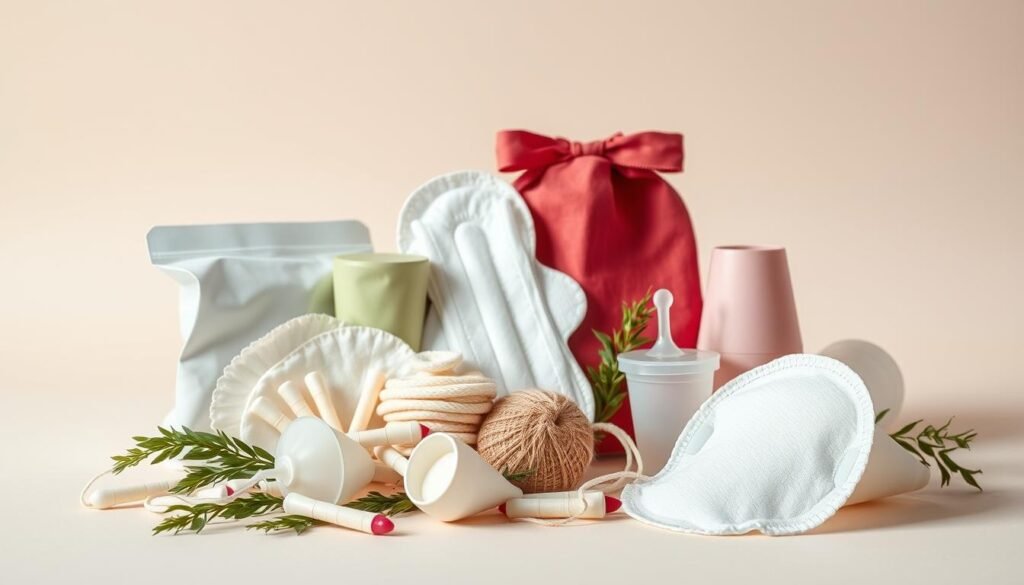
Choosing the Right Menstrual Products
We have various menstrual products to choose from, including sanitary pads, tampons, menstrual cups, and period underwear. Selecting the right product depends on personal preference, comfort, and lifestyle needs. For instance, tampons and menstrual cups are popular among active women, while sanitary pads are often preferred for their ease of use.
How Often to Change Menstrual Products
Changing menstrual products regularly is crucial for maintaining hygiene. We should change tampons every 4-8 hours and sanitary pads every 4-8 hours to prevent bacterial growth and odor. Menstrual cups can be emptied and cleaned every 8-12 hours.
Maintaining Cleanliness During Your Period
Good hygiene practices during menstruation include washing our hands before and after handling menstrual products and showering daily. Proper disposal of used products is also important; we should wrap them in toilet paper and dispose of them in a rubbish bin. By following these practices, we can stay comfortable and reduce the risk of infections.
Oral Hygiene and Dental Care
Good oral health is essential for a healthy lifestyle, extending beyond just a beautiful smile. Maintaining proper oral hygiene is crucial for preventing various dental issues and related health concerns. We will explore the importance of oral hygiene practices, including proper brushing and flossing techniques, and how they contribute to overall health.
Proper Brushing and Flossing Techniques
Brushing and flossing are fundamental practices in oral hygiene. Proper brushing technique involves using a soft-bristled toothbrush at a 45-degree angle to the gums, ensuring all surfaces of the teeth are cleaned for two minutes, twice daily. Flossing once daily is equally important to remove plaque and food particles from between teeth where a toothbrush cannot reach.
By adopting these practices, we can significantly reduce the risk of cavities and gum disease, ensuring healthier teeth and gums over time.
Preventing Bad Breath and Tooth Decay
Bad breath and tooth decay are common issues that arise from poor oral hygiene. A balanced diet low in sugary foods and drinks plays a crucial role in preventing tooth decay. Additionally, staying hydrated supports saliva production, which naturally cleanses the mouth.
| Oral Hygiene Practice | Benefit |
|---|---|
| Brushing twice daily | Removes plaque and bacteria |
| Flossing once daily | Removes food particles between teeth |
| Regular dental check-ups | Early detection of potential issues |
By following these oral hygiene practices and visiting our dentist regularly, we can maintain good oral health and prevent issues like bad breath and tooth decay.
Hygiene Habits for Different Life Stages
As women progress through different stages of life, their hygiene needs and practices must adapt to ensure optimal health and comfort. Maintaining good personal hygiene is crucial throughout a woman’s life, and it involves understanding the changes that occur during different life stages.
Teenage Years and Puberty
During the teenage years and puberty, girls experience significant physical and hormonal changes. Increased oil production and the onset of menstruation require more frequent cleansing and the introduction to menstrual hygiene. It’s essential to educate young girls on proper feminine care, including the use of breathable cotton underwear and gentle, pH-balanced cleansers for the vulvar area.
Adulthood and Sexual Activity
In adulthood, hygiene practices need to adapt to sexual activity, pregnancy, and childbirth. Urinating after intercourse can help prevent UTIs, and maintaining a proper vaginal pH balance is crucial. Women’s probiotics can also play a role in maintaining vaginal health during this period. Additionally, being mindful of product sensitivity during pregnancy is vital.
Menopause and Beyond
During menopause, declining estrogen levels can lead to vaginal dryness and increased susceptibility to infections. Gentle cleansing and possibly vaginal moisturizers become essential. Understanding these changes and adapting hygiene routines accordingly can significantly improve comfort and health during this life stage.
| Life Stage | Hygiene Considerations | Key Practices |
|---|---|---|
| Teenage Years | Increased oil production, menstruation | Frequent cleansing, menstrual hygiene education |
| Adulthood | Sexual activity, pregnancy, childbirth | Urinating after intercourse, maintaining vaginal pH balance |
| Menopause | Vaginal dryness, infections | Gentle cleansing, vaginal moisturizers |
Conclusion: Building a Sustainable Hygiene Routine
By understanding the importance of hygiene and adopting healthy habits, we can significantly improve our quality of life. Building a sustainable hygiene routine involves finding the right balance between necessary practices and avoiding excessive cleansing that can disrupt the body’s natural processes.
A good hygiene routine includes regular bathing, proper hand hygiene, oral care, and appropriate feminine hygiene practices tailored to individual needs. Consistency is key to effective hygiene practices, so creating habits that realistically fit into our daily life is crucial.
Nutrition also plays a vital role in supporting overall health and hygiene. A diet rich in fruits, vegetables, probiotics, and adequate hydration helps maintain the body’s natural defense systems. Regular healthcare check-ups, including annual gynecological exams, are essential for a comprehensive approach to hygiene and preventative health.
Ultimately, good hygiene is about respecting and caring for our body in ways that support health and comfort. By being attentive to our body’s changing needs, we can make informed adjustments to our routine and maintain optimal health throughout our lives.
FAQ
How often should we shower or bathe to maintain good hygiene?
We should shower or bathe at least once a day, using warm water and mild soap to clean our body. The frequency may vary depending on our lifestyle, activity level, and personal preferences.
What is the best way to clean our genital area?
To maintain proper feminine hygiene, we should clean the vulva with mild soap and water, wiping from front to back to prevent bacterial infections. Avoid using harsh products or douching, as they can disrupt the natural balance of bacteria.
How often should we change our menstrual products during our period?
We should change our tampons or sanitary pads every 4-8 hours to prevent bacterial growth and reduce the risk of toxic shock syndrome. It’s also essential to wash our hands before and after handling menstrual products.
What are some common mistakes to avoid in feminine hygiene?
Some common mistakes to avoid include using scented products, douching, and wearing tight or synthetic clothing that can irritate the genital area. We should also avoid sharing personal hygiene products and maintain good hand hygiene.
How can we prevent bad breath and tooth decay?
To maintain good oral hygiene, we should brush our teeth at least twice a day with fluoride toothpaste, floss once a day, and visit our dentist regularly for check-ups. We should also limit our consumption of sugary foods and drinks.
What are some essential hygiene practices during menopause?
During menopause, we may experience changes in our body that require adjustments to our hygiene routine. We should continue to practice good genital hygiene, wear breathable clothing, and stay hydrated to maintain our overall health and wellbeing.