
June 17, 2025
The landscape of cardiovascular medicine is undergoing a remarkable transformation. Gene therapy, once considered science fiction, is now emerging as a promising frontier in treating heart disease. This innovative approach targets the genetic roots of cardiac conditions, potentially offering solutions where traditional treatments fall short. As research accelerates and clinical trials show encouraging results, we stand at the threshold of a new era in heart disease treatment.
Gene therapy research is opening new possibilities for treating previously incurable heart conditions.
Understanding Gene Therapy: A New Approach to Heart Disease
Gene therapy represents a revolutionary approach to treating disease by correcting genetic abnormalities at their source. Unlike conventional treatments that manage symptoms, gene therapy aims to address the underlying genetic causes of heart disease, potentially offering long-lasting or even permanent solutions.
At its core, gene therapy works by delivering genetic material into a patient’s cells to replace faulty genes, silence harmful ones, or introduce new genes that help fight disease. For heart conditions, this approach holds particular promise because many cardiovascular disorders have genetic components that traditional medications cannot effectively address.
The technology has advanced significantly in recent years, with tools like CRISPR gene editing allowing for unprecedented precision in modifying genetic material. This has opened new possibilities for treating previously incurable heart conditions.
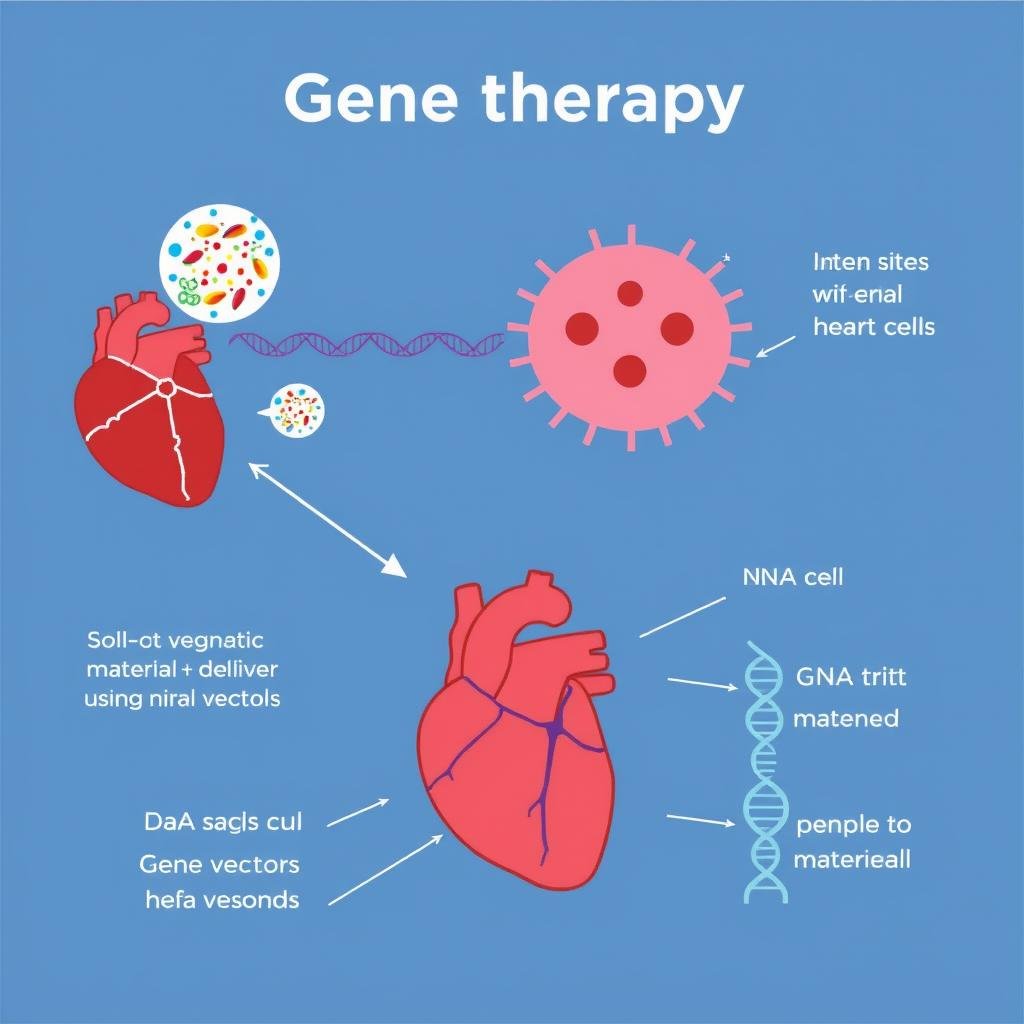
Key Mechanisms of Gene Therapy for Heart Disease
Stay Informed About Gene Therapy Advances
Receive the latest updates on gene therapy research and breakthroughs delivered to your inbox.
Subscribe to Research UpdatesCurrent Research Breakthroughs in Gene-Based Heart Treatments
The field of cardiac gene therapy has seen remarkable progress in recent years. Scientists are developing innovative approaches using viral vectors, CRISPR technology, and other gene delivery methods to target specific heart conditions.

CRISPR technology has revolutionized the precision of genetic modifications for heart disease treatment.
Key Technologies Driving Cardiac Gene Therapy
Viral Vectors
Modified viruses like AAV9 (Adeno-Associated Virus 9) have emerged as effective delivery vehicles for genetic material to heart cells. These vectors can transport therapeutic genes directly to cardiac tissue with minimal side effects.

CRISPR Gene Editing
This Nobel prize-winning technology allows scientists to edit DNA with unprecedented precision. For heart disease, CRISPR can correct specific genetic mutations that cause conditions like cardiomyopathy and arrhythmias.

Angiogenesis Therapies
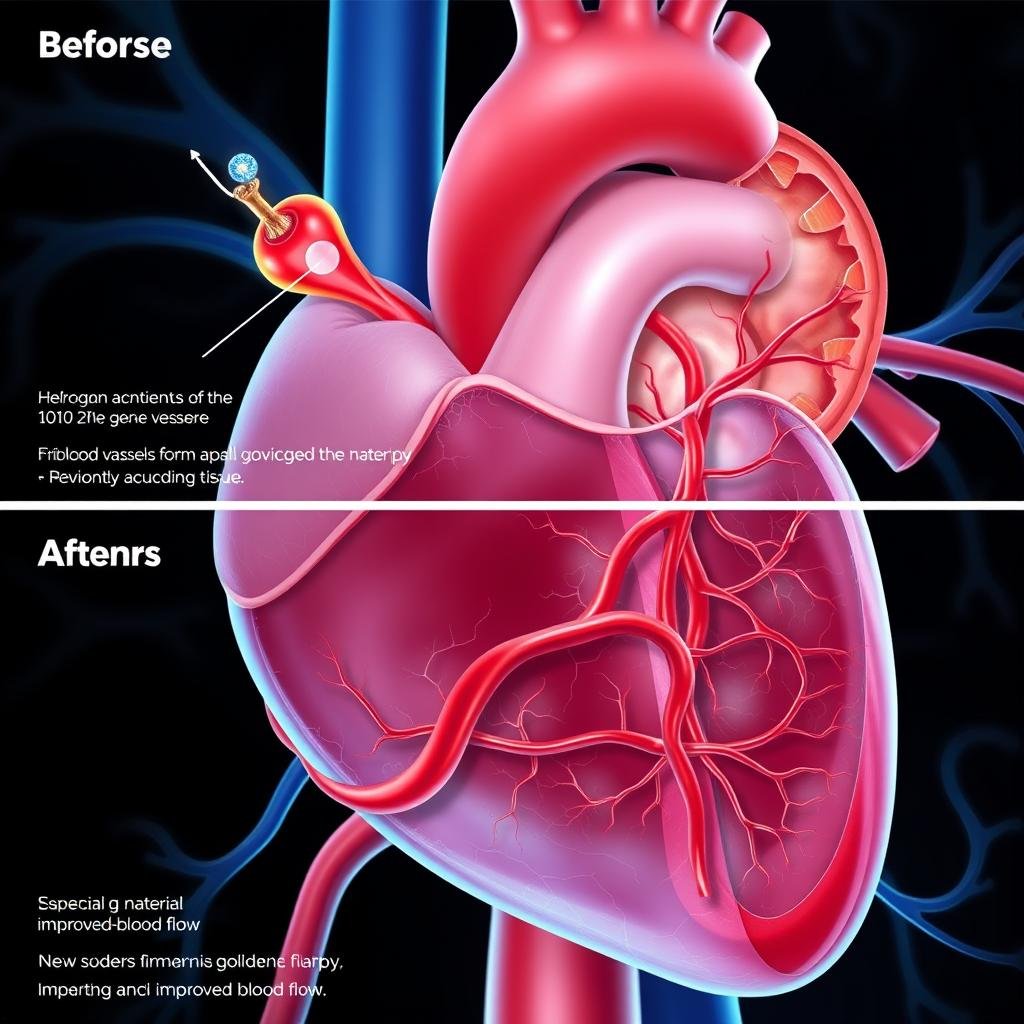
Gene therapies that promote the growth of new blood vessels (angiogenesis) show promise for treating coronary artery disease and improving blood flow to damaged heart tissue after heart attacks.
“Gene therapy is advancing at an unprecedented pace, and the recent success of clinical trials reinforces optimism and trust among the scientific community. The cardiac gene therapy pipeline, which had progressed more slowly than in other fields, has begun to advance, overcoming biological and technical challenges.”
Promising Clinical Trials for Heart Conditions
Several clinical trials are showing encouraging results for gene therapy applications in various heart conditions. These studies represent significant steps toward bringing gene therapy from laboratory research to clinical practice.

Clinical trials are essential for validating the safety and efficacy of gene therapy approaches for heart disease.
Familial Hypercholesterolemia (FH) Trials
About one in 250 people has a variant in the PCSK9 gene that causes extremely high levels of harmful LDL cholesterol, leading to premature heart attacks. Recent gene editing therapy trials have shown promising results by effectively turning off the PCSK9 gene in the liver.
Trial Highlight: A single infusion of PCSK9 gene therapy led to drops of 39% to 55% in LDL cholesterol levels in patients with familial hypercholesterolemia who had not responded adequately to maximum doses of conventional cholesterol-lowering drugs.
Hypertrophic Cardiomyopathy (HCM) Trials
HCM affects approximately one in 500 people and results from variants in genes that affect heart muscle structure. Gene therapy trials using viral vectors to deliver functional copies of the MYBPC3 gene to heart muscle cells began in 2023, targeting patients with specific genetic variants.
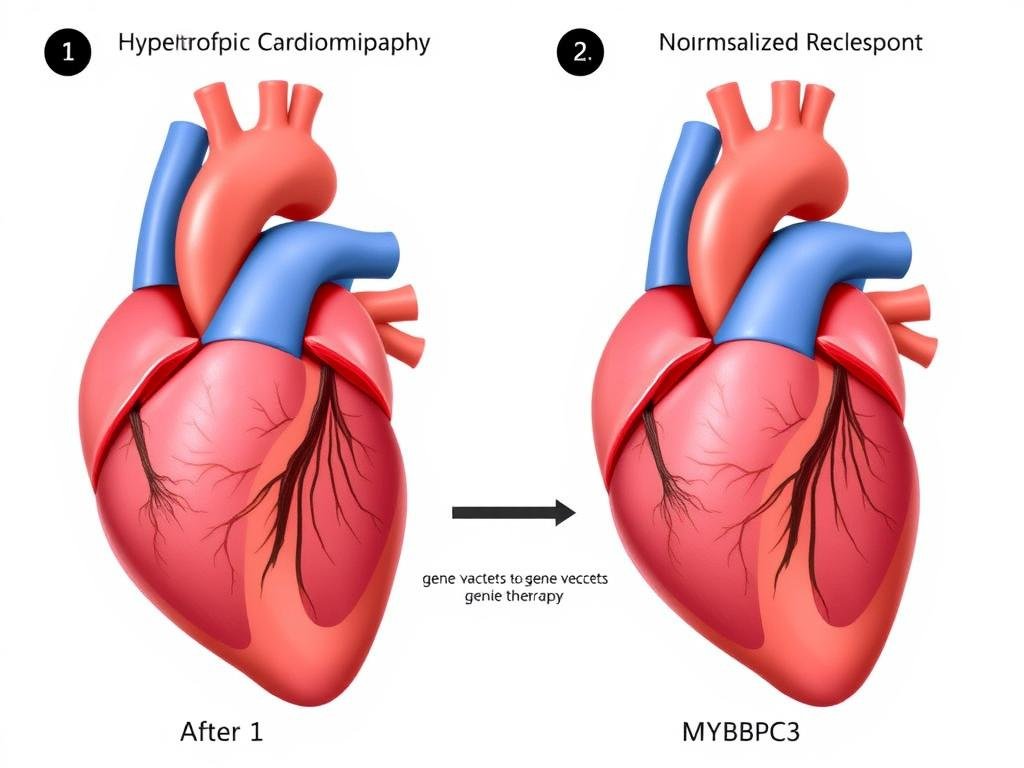
Gene therapy for HCM aims to normalize heart wall thickness by correcting genetic defects.
Transthyretin Amyloid Cardiomyopathy (ATTR-CM) Trials
This rare disorder occurs when gene variants cause the liver to produce abnormal transthyretin protein that builds up in the heart, leading to heart failure. Clinical trials using gene editing to halt production of the abnormal protein have shown dramatic reductions in TTR protein levels among participants.
| Condition | Gene Target | Therapy Approach | Trial Phase | Key Results |
| Familial Hypercholesterolemia | PCSK9 | Gene silencing | Phase 1/2 | 39-55% reduction in LDL cholesterol |
| Hypertrophic Cardiomyopathy | MYBPC3 | Gene replacement | Phase 1 | Ongoing assessment of cardiac function |
| Transthyretin Amyloidosis | TTR | Gene editing | Phase 1/2 | Significant reduction in TTR protein levels |
| Heart Failure | cBIN1 | Gene enhancement | Preclinical | Restored normal heart function in animal models |
Download Our Free Guide
Get our comprehensive guide to understanding gene therapy approaches for heart conditions and what they might mean for patients.
Download Free GuideKey Challenges in Cardiac Gene Therapy
Despite promising advances, several significant challenges must be overcome before gene therapy becomes a mainstream treatment option for heart disease.
Current Advantages
- Potential for long-lasting or permanent treatment
- Addresses root genetic causes rather than symptoms
- May require only a single administration
- Could benefit patients unresponsive to conventional treatments
- Highly targeted approach with potential for fewer systemic side effects
Ongoing Challenges
- Ensuring precise delivery to cardiac tissue
- Preventing immune reactions to delivery vectors
- Managing potential off-target genetic effects
- Addressing high development and treatment costs
- Determining optimal “dosing” of genetic material
Safety Considerations
Safety remains a paramount concern in gene therapy development. Researchers must carefully monitor for immune responses to viral vectors, potential off-target genetic modifications, and long-term effects of genetic alterations. The FDA requires extended follow-up periods (up to 15 years) for participants in human genome editing trials to ensure comprehensive safety assessment.

Rigorous safety monitoring is essential in gene therapy clinical trials.
Delivery Challenges
Delivering genetic material precisely to heart tissue presents significant technical challenges. The heart’s continuous movement and the need to reach specific cell types complicate delivery. Researchers are exploring improved viral vectors like AAV9 with greater cardiac tropism, as well as non-viral delivery methods using lipid nanoparticles.
Long-Term Efficacy
Questions remain about how long gene therapy effects will last in heart tissue. Will a single treatment provide lifelong benefits, or will repeated administrations be necessary? Current clinical trials are designed with long follow-up periods to answer these critical questions about durability.
“Most cardiovascular genetic disorders are caused by different genetic defects in each family, and the factors leading to clinical disease are less well known. Gene variants can also have complex effects throughout the entire body, and editing the defect in single tissues may have unpredictable effects.”
Expert Perspectives on Cardiac Gene Therapy
Leading cardiologists and genetic researchers offer valuable insights into the current state and future potential of gene therapy for heart disease.

“The biggest unmet need in cardiovascular genetic disorders is identifying people when early, preventive interventions are feasible. Currently, most of these cases go undetected. As we expand our detection of disease and the underlying gene defects, we will begin to better understand how these conditions affect patients, and how therapies of differing risk and benefit can best be implemented.”
“We only need a 20% increase in cBIN1 to see a dramatic effect. That’s the holy grail for cardiology—not just improving symptoms but actually remodeling the heart and thereby reversing heart failure progression.”

The Road to Clinical Implementation
Experts emphasize that while gene therapy shows tremendous promise, the path to widespread clinical use requires patience and rigorous scientific validation. The complexity of heart disease genetics means that personalized approaches may be necessary, with treatments tailored to specific genetic variants.
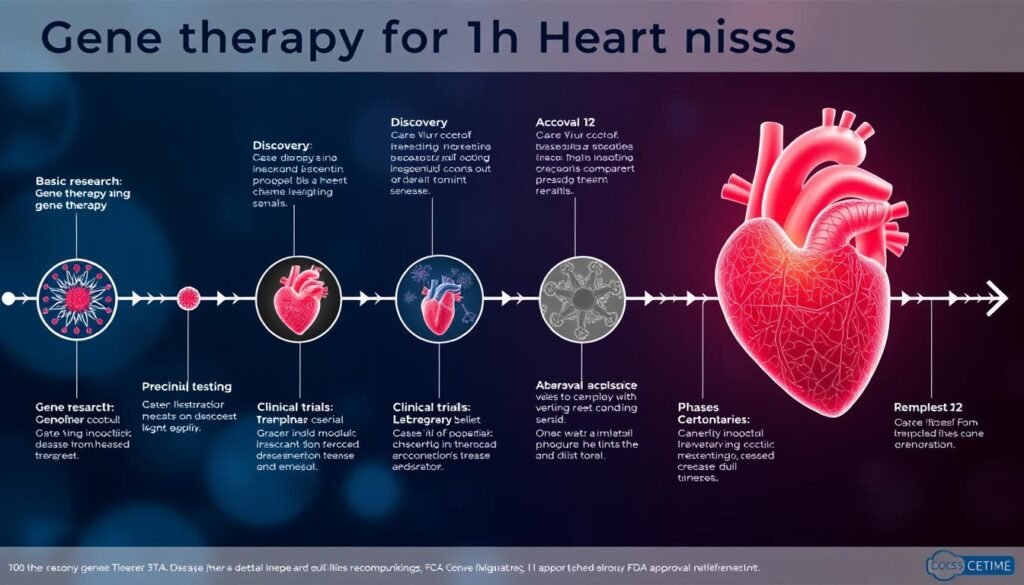
The development pathway for gene therapy includes extensive testing before clinical availability.
Expert Consensus: Most specialists agree that while some gene therapies for specific inherited heart conditions may become available within 5-10 years, broader applications for common forms of heart disease will likely take longer to develop and validate.
Timeline and Future Outlook
When might gene therapy become a standard treatment option for heart disease? The timeline varies depending on the specific condition and approach.
Factors Influencing Development Timeline

The future of cardiac gene therapy lies in personalized approaches tailored to individual genetic profiles.
Conclusion: A Promising Frontier in Heart Disease Treatment
Gene therapy for heart disease represents one of the most promising frontiers in cardiovascular medicine. While significant challenges remain, the rapid pace of technological advancement and encouraging clinical trial results provide genuine hope for transformative treatments.
For patients with inherited heart conditions that currently have limited treatment options, gene therapy may offer the first real possibility of addressing the root cause of their disease. For more common forms of heart disease, gene-based approaches could eventually complement or even replace conventional treatments.
The journey from laboratory discovery to clinical implementation requires patience, rigorous scientific validation, and careful attention to safety. However, the foundation has been laid for a new era in heart disease treatment—one where genetic solutions may provide answers for conditions that have long challenged medical science.
Stay Informed About Gene Therapy Developments
Join our community to receive the latest updates on gene therapy research, clinical trials, and potential treatment options for heart disease.
Subscribe to Research UpdatesHow soon might gene therapy be available for common heart conditions?
For inherited single-gene disorders like familial hypercholesterolemia, treatments may be available within 5-10 years if current clinical trials continue to show positive results. For more complex conditions like coronary artery disease, the timeline is likely 15+ years as researchers work to address multiple genetic factors and perfect delivery methods.
Will gene therapy replace traditional heart disease treatments?
In the near term, gene therapy will likely complement rather than replace traditional treatments. For some specific genetic conditions, gene therapy may eventually become the primary treatment approach. For most patients, a combination of conventional medications, lifestyle modifications, and potentially gene-based therapies will provide the best outcomes.