June 2, 2025
Have you heard the rumors and myths about the penis? But how true are they? There’s a lot of wrong information out there, and it’s time to clear things up.
Myths and misconceptions about male anatomy are common. They often come from cultural and societal beliefs, not science. It’s time to find out what’s real and what’s not.
Scientific evidence is key to understanding male reproductive health. By looking at the facts, we can clear up the myths. This helps us understand the penis and its functions better.
Key Takeaways
- Common myths about the penis are often rooted in cultural and societal beliefs.
- Scientific evidence is essential for understanding male reproductive health.
- Debunking myths can promote a better understanding of the penis and its functions.
- Misconceptions about male anatomy are widespread.
- Separating fact from fiction is critical for accurate knowledge.
The Science Behind Male Anatomy: Why Facts Matter
Misconceptions about male anatomy are common. But knowing the science can clear up these myths. It’s key for healthy body attitudes and fighting myths that harm self-esteem in men.
How Misinformation Affects Men’s Self-Image
Misinformation about the penis can deeply affect men’s self-image. Seeing unrealistic or wrong views of male bodies can make men feel bad about themselves. This can cause anxiety and depression.
The table below shows common myths and how they can hurt men’s self-image:
| Misconception | Potential Effect |
|---|---|
| Believing that a larger penis is more desirable | Low self-esteem, body dissatisfaction |
| Thinking that penis size determines sexual performance | Anxiety, performance pressure |
| Assuming that all men have the same penis size or shape | Body dysmorphia, self-consciousness |
The Importance of Scientific Literacy About Our Bodies
Knowing about your body is key for health and happiness. Learning about male anatomy helps men make smart health choices. It also helps them avoid unnecessary medical steps and feel better about their bodies.
By learning the real facts about the penis, men can overcome common misconceptions. This leads to a more positive self-image. It also improves mental health, relationships, and sex life.
Top10 Myths About the Penis – Busted with Science
For centuries, myths about the penis have spread far and wide. They come from old beliefs and cultural tales. It’s key to know what’s true and what’s not.
The Origins of Common Penis Misconceptions
These myths come from a blend of culture, history, and society. They’ve been passed down for ages. This is often because people didn’t understand science or got wrong information.
How Scientific Research Challenges Popular Beliefs
Science has been a big help in clearing up these myths. It gives us real facts about the male body. Many penis myths just don’t hold up to science.
Looking at the facts helps us understand penis myths better. This way, we can make smarter choices about our health.
Physical Myths: Size, Correlation, and Structure
The penis’s anatomy is often misunderstood, causing unnecessary worry and myths about its size and function. You might have heard claims about what determines penis size or how it relates to other body parts. Let’s look at these myths and find the truth.
Myth 1: Size Determines Sexual Performance and Satisfaction
The idea that penis size affects sexual performance and satisfaction is a common myth. Research shows that penis size is not a key factor in sexual satisfaction for men or their partners. Emotional connection, communication, and overall health are more important for satisfaction.
- Sexual satisfaction comes from many psychological and physical factors.
- Penis size is just one attribute, and not the most important one.
Myth 2: Shoe Size, Hand Size, or Height Correlates with Penis Size
Many believe that penis size is linked to shoe size, hand size, or height. But studies have found no reliable link between these attributes and penis size. This myth likely comes from personal experiences, not scientific proof.
- Penis size varies widely among individuals, regardless of other physical attributes.
- No scientific study has found a consistent correlation between penis size and height, shoe size, or hand size.
Myth 3: The Penis Contains a Bone
A common myth is that the penis has a bone, which is not true. The penis is made up of several parts, including the root, shaft, and glans, but it does not have bones. Erection is achieved through blood flow into the penis, making it rigid.
- The absence of a bone allows for the flexibility and expansion necessary for an erection.
- Understanding the penis’s anatomy can help debunk myths and reduce anxiety about its structure and function.
By debunking these myths, we can better understand male anatomy and reduce worries about penis size and structure. It’s important to rely on scientific evidence when exploring these topics to ensure accuracy and promote sexual health.
Functional Myths: Performance and Capability
Many myths surround the penis, and it’s time to set the record straight with scientific evidence. The way the penis functions is often shrouded in misconception. This affects men’s understanding of their own bodies and sexual health.
Myth4: Erectile Dysfunction Only Affects Older Men
Erectile dysfunction (ED) is not just for older men. While it’s true that ED increases with age, it’s not exclusive to older men. Studies have shown that ED can affect younger men too. This is due to various factors like psychological issues, lifestyle, or health conditions.
- Psychological factors such as stress, anxiety, or depression
- Lifestyle factors, including smoking, excessive alcohol consumption, or lack of physical activity
- Underlying health conditions like diabetes, hypertension, or cardiovascular disease
Men of all ages experiencing ED symptoms should seek medical advice. It can be a sign of an underlying health issue.
Myth5: You Can Tell If Someone Is Aroused by Their Erection (or Lack Thereof)
The relationship between erection and arousal is complex. Erection can be influenced by many factors, including psychological state, health, and medications. It’s a myth that you can always tell if someone is aroused by their erection or lack thereof. Arousal is not always visible, and the presence or absence of an erection doesn’t necessarily indicate a person’s level of arousal.
“The complexity of human arousal and erection cannot be overstated. It’s not just about the physical response but also the psychological and emotional state of an individual.”
Myth6: The Penis Needs Regular “Exercise” to Stay Healthy
The idea that the penis needs regular “exercise” to stay healthy is a myth with some basis in truth but largely exaggerated. While exercises like pelvic floor exercises (Kegels) can strengthen muscles that support erections, there’s no conclusive evidence that regular “exercise” directly impacts penis health. It’s more about overall health than specific “exercises” for the penis.
Maintaining overall health, including cardiovascular health and avoiding smoking, can contribute to better sexual function. It’s about overall health, not specific “exercises” for the penis.
Health and Wellness Myths
It’s important to know the truth about penis health and wellness. Many men believe false information about their penis health. We will look at some common myths about the penis.
Myth7: Frequent Masturbation Causes Physical or Mental Problems
Many think that too much masturbation can harm you. Let’s look at why this myth started and what science says today.
Historical Misconceptions About Self-Pleasure
In the past, people thought masturbation was bad. They believed it could cause blindness, insanity, and even harm the body. These ideas were based on old beliefs, not science.
Current Scientific Understanding
Today, science has proven these myths wrong. Masturbation is seen as a normal and healthy part of being human. It doesn’t hurt the body or cause mental problems. In fact, it can help with stress and improve sex life.
Myth8: The Penis Can Get “Used Up” or Worn Out
Some think the penis can get tired from too much use. Let’s see why this idea is not true.
The Resilience of Penile Tissue
The penis is made of strong tissue for sex. The idea that it gets “used up” is not true. It has a lot of blood to help it heal and recover.
Debunking “Wear and Tear” Theories
There’s no science to support the idea that sex or masturbation harms the penis. Actually, regular sex and masturbation can keep the penis healthy by improving blood flow and preventing problems like erectile dysfunction.
Knowing the truth about these myths helps men understand their bodies better. They can make smarter choices about their health and wellness.
Enhancement and Modification Myths
The search for penis enhancement is a huge industry, worth billions. But what does science really say? Many men look for ways to make their penis bigger or improve their sex life. They often follow claims that aren’t backed up by facts.
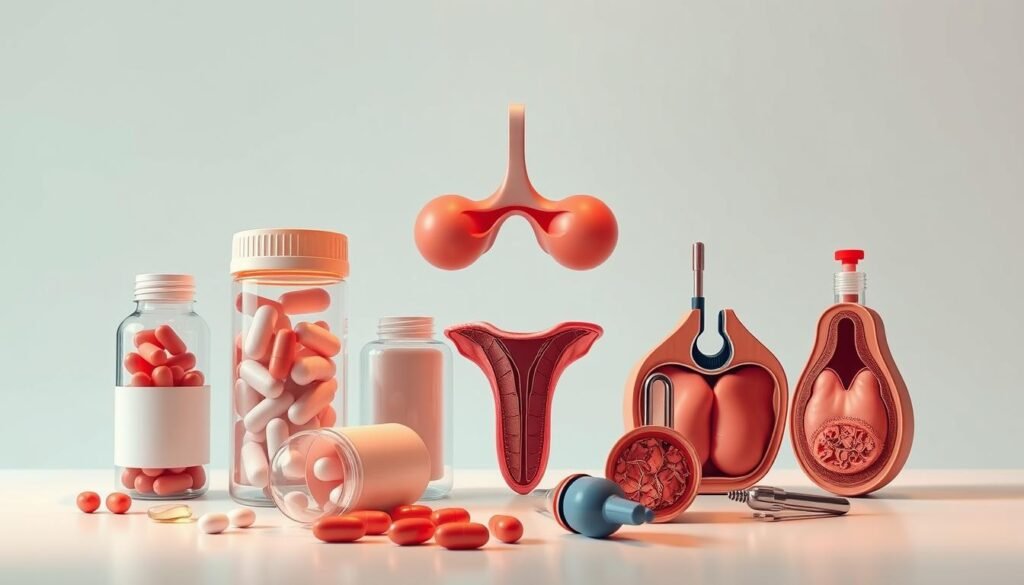
Myth 9: You Can “Exercise” or Take Pills to Permanently Enlarge the Penis
Many believe you can make your penis bigger through exercises or pills. But this is just a myth. The market is full of products making these claims, but they’re not based on real science.
Analyzing Claims of Enhancement Products
There are many claims about penis enlargement products. Some say devices can stretch your penis, while others promise pills can make it grow. But, there’s little scientific proof for these claims. Most studies show these products don’t work well or last long.
What Medical Science Actually Supports
Doctors have looked into ways to make the penis bigger, mainly for health reasons. Surgery is an option, but it’s risky and usually a last choice. There’s no solid evidence that non-surgical methods can make a penis bigger for good.
Myth 10: Circumcision Significantly Affects Sexual Pleasure
There’s a lot of debate about circumcision and sex pleasure. People have different views based on culture, medicine, and personal beliefs.
Research on Sensitivity and Satisfaction
Studies on circumcision and sex have mixed results. Some say it can change how sensitive you are, while others find no big difference in how satisfied you are with sex.
Cultural vs. Medical Perspectives
Circumcision is done for many reasons, like culture, religion, or health. Doctors think it’s safe and might help prevent some infections. But, many choose circumcision for reasons not related to health.
In short, myths about penis enhancement and changes are common. It’s important to know the truth, based on science, to make smart choices about our bodies.
The Psychology Behind Penis Myths
It’s important to understand why penis myths exist. Our body image and sexual performance are shaped by what we learn and the norms around us.
How Media and Pornography Shape Perceptions
Media and pornography greatly influence how we see the penis and male sexuality. Unrealistic portrayals in adult content can create wrong ideas about penis size, stamina, and performance. These distorted views can harm men’s self-image and keep myths alive.
- Pornography often shows exaggerated or unrealistic sexual scenarios.
- Media coverage often highlights extreme cases, distorting public views.
- Constant exposure to these sources can make myths seem true.
The Impact of Myths on Sexual Confidence and Relationships
Penis myths can hurt men’s sexual confidence and relationships. Believing in these myths can lead to unrealistic expectations and unnecessary anxiety. For example, myths about penis size can lower a man’s self-esteem, affecting his sexual performance and relationship happiness.
- Myths can put pressure to meet perceived standards, causing stress and anxiety.
- Misconceptions about sexual performance can lead to dissatisfaction in sexual relationships.
- Challenging these myths can promote healthier views on male sexuality.
Talking to Healthcare Providers: When to Seek Medical Advice
It’s key to talk to healthcare providers about penis-related worries. This helps keep your sexual health in check and tackles problems early. Many men feel shy or unsure about what’s normal versus what’s not.
Normal Variations vs. Medical Concerns
Penis size, shape, and function can vary normally. But, some signs might mean you need to see a doctor. These include ongoing pain, trouble pulling back the foreskin, or odd discharge. If you notice these, it’s important to talk to a healthcare provider.
| Normal Variations | Potential Medical Concerns |
|---|---|
| Variations in penis size or shape | Persistent pain or discomfort |
| Occasional erectile difficulties | Frequent or persistent erectile dysfunction |
| Minor curvature of the penis | Severe curvature or pain during erection |
Overcoming Embarrassment to Get Proper Care
Talking about sexual health can feel tough because of embarrassment. But, healthcare providers are experts who have seen many patients with similar issues. They aim to assist you, not judge. Writing down your questions before your visit can make you feel more comfortable.
“The most important thing is to be honest with your healthcare provider. They are there to help you, and being open about your concerns is the first step towards getting the care you need.”
Knowing when to ask for medical help and getting past embarrassment are steps towards better sexual health. Remember, your healthcare provider is there to help with any worries you have.
Conclusion: Embracing Scientific Facts for Better Sexual Health
You now know the truth about the top10 myths about the penis – busted with science. Understanding the scientific facts about the penis helps you make better choices for your sexual health. The myths debunked in this article show why it’s key to trust credible sources for better sexual well-being.
Learning about male anatomy can help you overcome misconceptions and boost your sexual confidence. By knowing what’s true and what’s not, you can focus on keeping your sexual health in check. If you have concerns, don’t hesitate to talk to healthcare providers for accurate advice and care.
It’s important to stay informed about the penis to ensure your overall well-being. By doing so, you can enjoy a healthier and more fulfilling sex life. You have the power to make informed choices about your sexual health by relying on credible information and seeking professional advice when necessary.
FAQ
Is it true that penis size determines sexual performance and satisfaction?
No, penis size doesn’t really matter when it comes to sexual satisfaction. What matters more is the emotional connection, intimacy, and how well you communicate with your partner.
Can you really tell if someone is aroused by their erection?
No, an erection doesn’t always mean someone is aroused. Men can get erections without feeling turned on. Arousal is a mix of feelings and physical responses, not just one thing.
Does frequent masturbation cause physical or mental problems?
No, masturbation is normal and healthy. It doesn’t harm you physically or mentally. In fact, it can help with sexual function and reduce stress.
Can the penis get “worn out” or used up?
No, the idea that the penis can get “worn out” is a myth. The penis is very resilient and can handle normal sexual activity without damage.
Are there any effective ways to permanently enlarge the penis?
No, there’s no scientific proof that anything can permanently make the penis bigger. Many claims about penis enlargement are exaggerated or false.
Does circumcision significantly affect sexual pleasure?
Most studies say circumcision doesn’t really affect sexual pleasure. Some might say it changes sensitivity, but it’s not clear and can vary from person to person.
Can erectile dysfunction only affect older men?
No, erectile dysfunction can happen to any man, not just older ones. It’s caused by many things, like health issues, lifestyle, and mental factors.
Is there a correlation between shoe size, hand size, or height and penis size?
No, research shows penis size isn’t linked to shoe size, hand size, or height. Penis size is influenced by genetics and hormones.
Does the penis contain a bone?
No, the penis doesn’t have a bone. It’s made of soft tissue, like blood vessels and nerves. Erections happen because of blood flow, not a bone.
How can I overcome embarrassment to discuss my penis health with a healthcare provider?
Remember, doctors are used to talking about all kinds of health issues, including penis health. Being open and honest can help you get the care you need.