May 28, 2025
When Sophia’s parents took her for a routine check-up, they were shocked to learn their 8-year-old daughter had the early stages of myopia—despite passing her school vision screening with flying colors just months earlier. Like many urban children today, Sophia had what eye care professionals call “subclinical myopia”—a condition where vision appears normal but the eye is already showing unhealthy changes that can lead to serious problems later in life.
This hidden epidemic is silently affecting thousands of children in cities across America, with many parents completely unaware until the condition progresses to more severe stages. As screen time increases and outdoor play decreases, understanding this condition has never been more crucial for protecting our children’s vision.
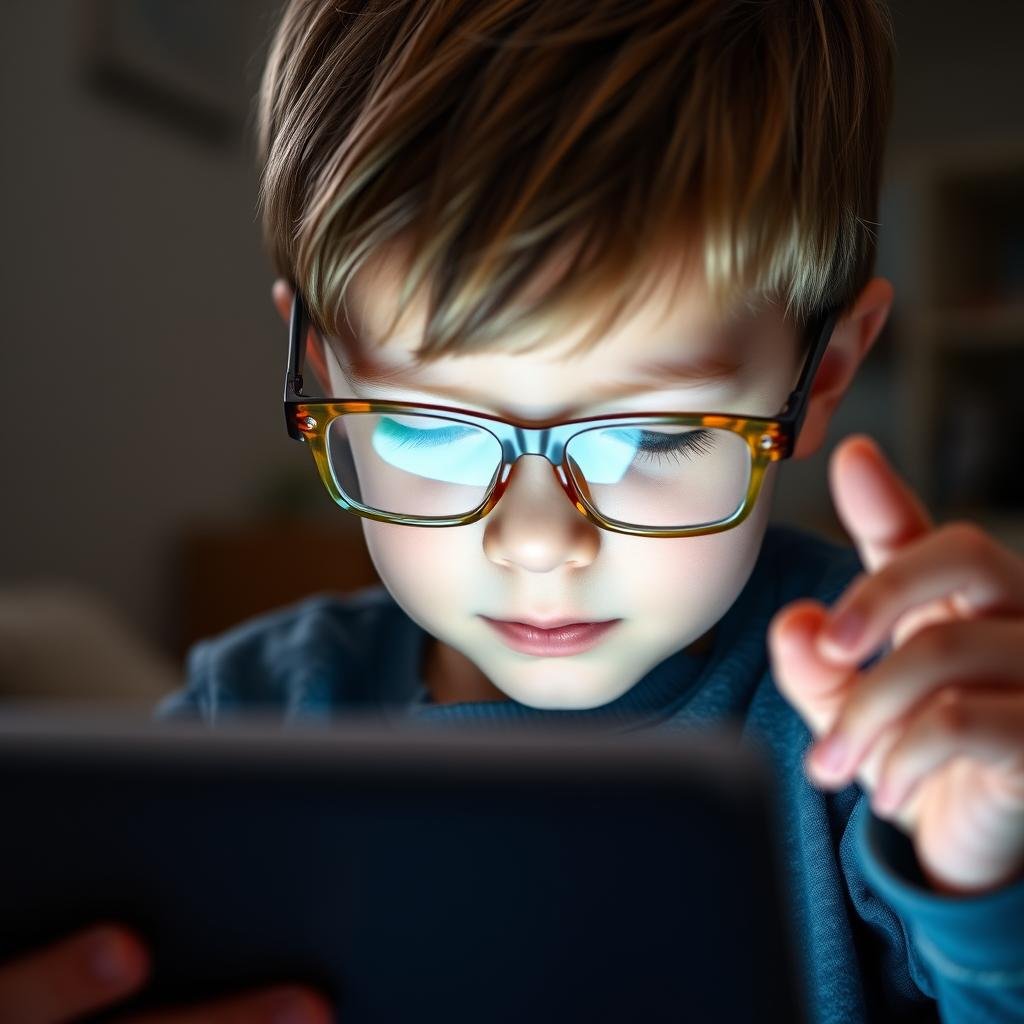
Subtle signs of eye strain in children using digital devices can indicate subclinical myopia development
What Makes Subclinical Myopia ‘Hidden’?
Subclinical myopia represents the earliest stage of nearsightedness, where the eye is beginning to elongate abnormally but hasn’t yet reached the threshold where distance vision is significantly impaired. Unlike standard myopia, which is easily detected when a child can’t see the board at school or fails a basic vision test, subclinical myopia often goes unnoticed because children can still achieve 20/20 vision on standard eye charts.

Subtle elongation of the eye in subclinical myopia compared to normal eye anatomy
The symptoms of subclinical myopia are easily dismissed or attributed to other causes:
Standard Myopia Diagnosis
- Clearly failing distance vision tests
- Inability to see the board at school
- Obvious squinting to see far objects
- Complaints about blurry vision
- Sitting too close to screens/TV
Subclinical Myopia Signs
- Intermittent headaches after visual tasks
- Mild eye fatigue or strain
- Occasional blurring that comes and goes
- Rubbing eyes frequently
- Passing standard vision tests despite symptoms
According to a recent study from the Urban Child Vision Institute, an estimated 28% of urban children between ages 6-12 have subclinical myopia that goes undetected through standard school screenings. This represents millions of children whose vision problems are developing silently, only to manifest more severely in their teen years.
“Subclinical myopia is like silent tooth decay for the eyes. By the time symptoms become obvious enough for parents to notice, significant and irreversible changes have already occurred in the eye structure.”
Urban Lifestyle Factors Accelerating the Problem
Children in urban environments face unique challenges that make them particularly vulnerable to developing subclinical myopia. The combination of reduced outdoor time, increased near-work activities, and limited exposure to natural light creates the perfect storm for early myopia development.
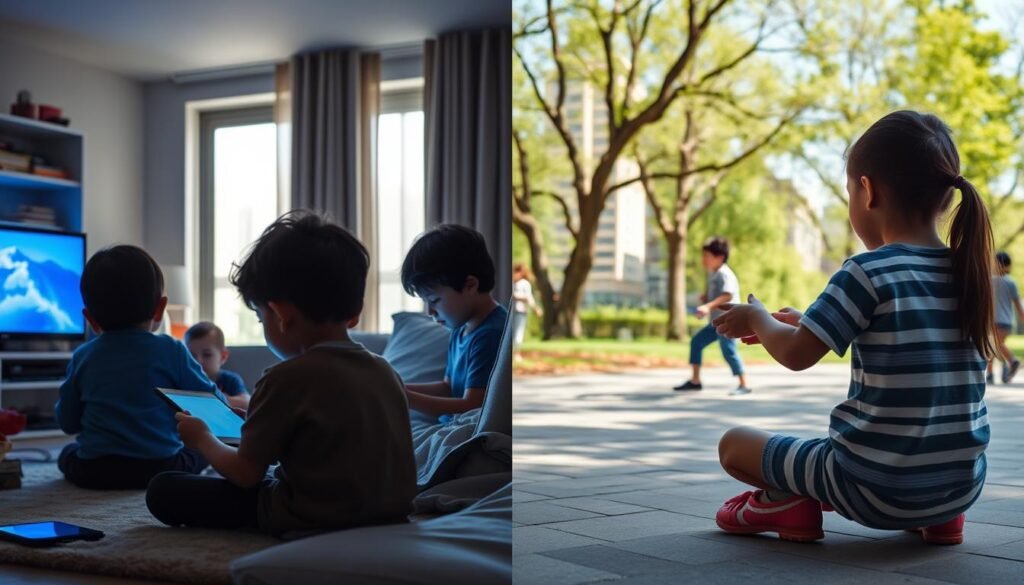
The contrast between indoor screen time and outdoor play affects eye development in urban children
A 2022 study published in Ophthalmic & Physiological Optics analyzed the correlation between urban living conditions and myopia in more than 14,000 students. The results indicated a significant association between high rates of myopia and children living in urban areas, especially among older children.
Key urban factors contributing to subclinical myopia include:
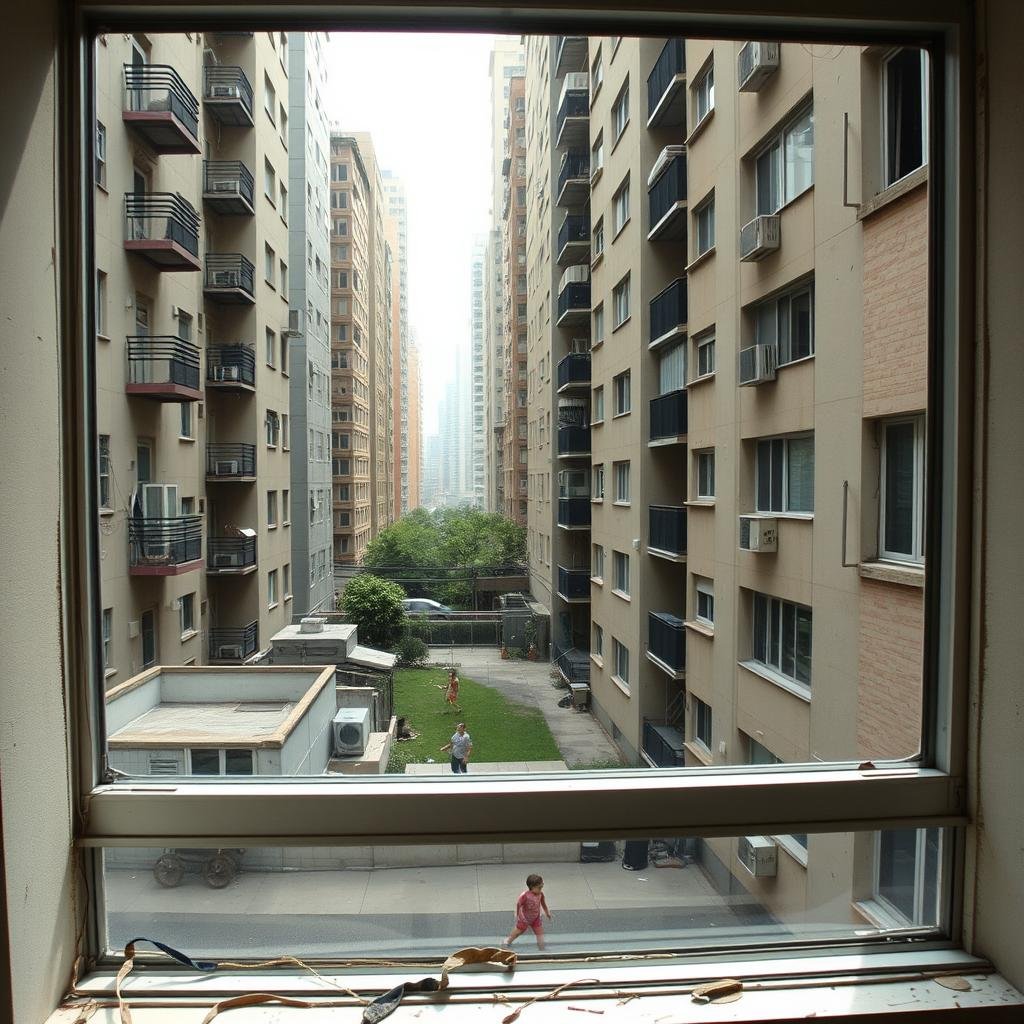
Limited Outdoor Space
Urban children spend 30% less time outdoors than their suburban counterparts, missing crucial exposure to natural light that regulates eye growth.
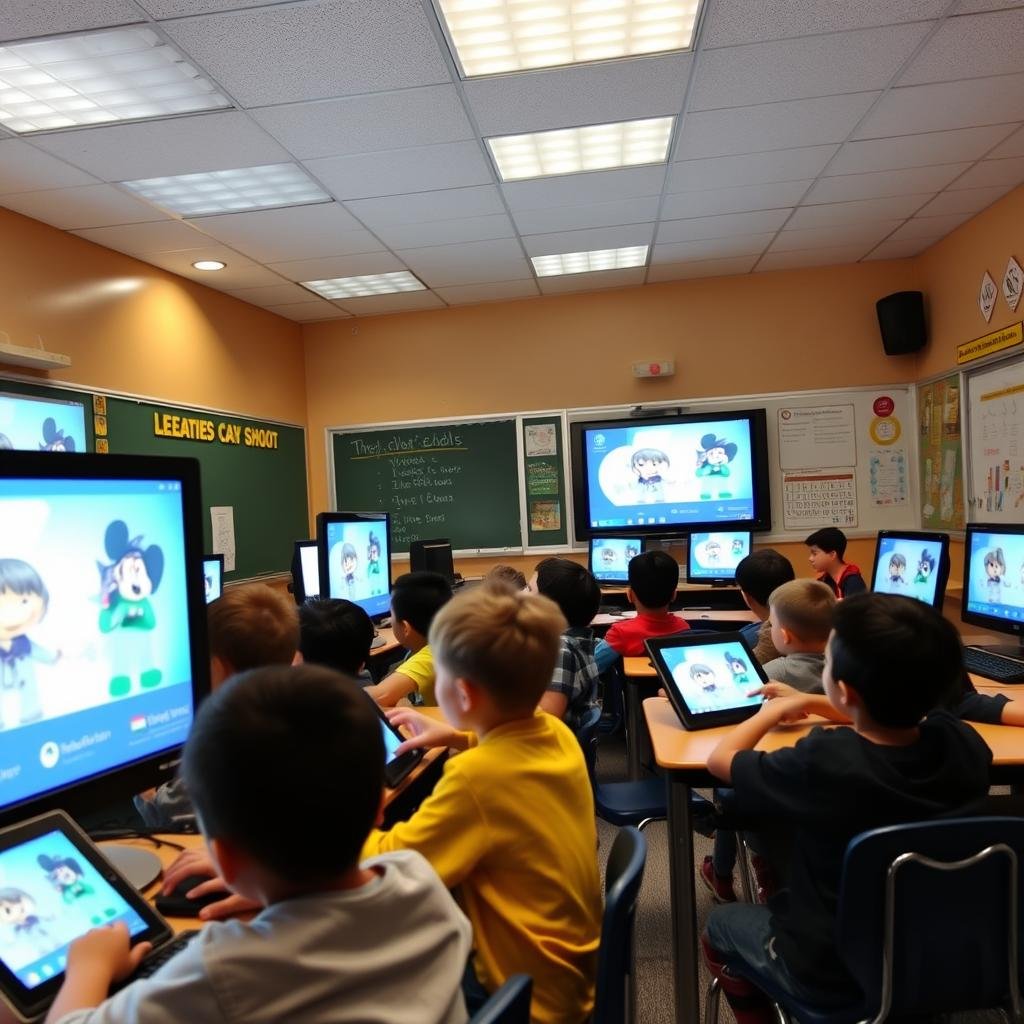
Digital Learning Environments
School-age children in cities now spend 6+ hours daily on digital devices between educational requirements and recreation.
Artificial Lighting
Urban children spend up to 90% of their time under artificial lighting, which lacks the wavelength variety needed for healthy eye development.

Another study published in Frontiers in Public Health found similar results among children in high-density urban areas. Children from apartment-style housing complexes were 40% more likely to develop early-stage myopia than those living in areas with more outdoor space.
Why ‘Normal’ Vision Tests Fail to Catch the Problem
Most parents rely on school vision screenings to alert them to potential eye problems. However, these basic tests are fundamentally inadequate for detecting subclinical myopia. Understanding these limitations is crucial for protecting your child’s vision.
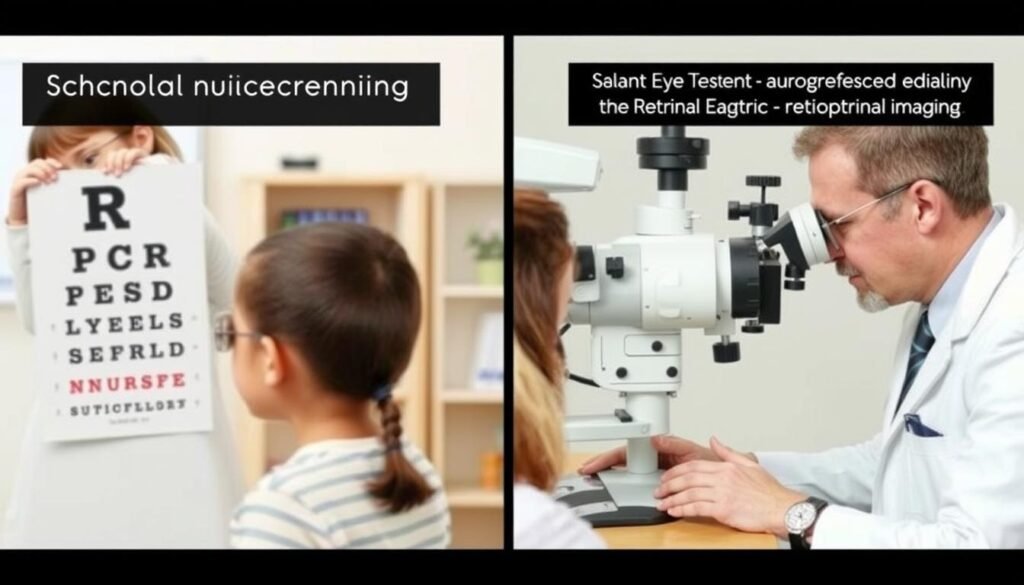
Standard school vision screenings vs. comprehensive eye exams that can detect subclinical myopia
What Standard Vision Tests Check
- Basic visual acuity (20/20 vision)
- Ability to read at a distance
- Major vision problems
- Color vision deficiencies
What Standard Vision Tests Miss
- Early eye elongation
- Peripheral retinal changes
- Accommodative function
- Eye coordination issues
- Subtle refractive errors
Case in point: 10-year-old Marcus passed every school vision screening with perfect scores. Yet when his parents took him for a comprehensive eye exam due to frequent headaches, the optometrist discovered early myopic changes that required immediate intervention. Without the specialized testing, Marcus’s subclinical myopia would have progressed undetected for years.
Advanced Diagnostics That Make a Difference
Detecting subclinical myopia requires specialized testing that goes beyond standard vision charts:
- Cycloplegic refraction: Temporarily paralyzes focusing muscles to reveal the true refractive state of the eye
- Axial length measurement: Precisely measures the length of the eyeball to detect early elongation
- Corneal topography: Maps the surface curvature of the cornea to identify subtle changes
- Peripheral refraction: Examines how light focuses in the peripheral retina, a key indicator of myopia development
Is Your Child at Risk for Subclinical Myopia?
Standard school vision screenings miss up to 75% of vision problems in children. Only a comprehensive eye exam with specialized testing can detect subclinical myopia before it progresses.
Schedule a Specialized Eye Exam TodayLong-Term Risks of Untreated Subclinical Myopia
While subclinical myopia may seem like a minor concern in childhood, it sets the stage for potentially serious eye health problems later in life. Understanding these risks is essential for parents to appreciate the importance of early intervention.
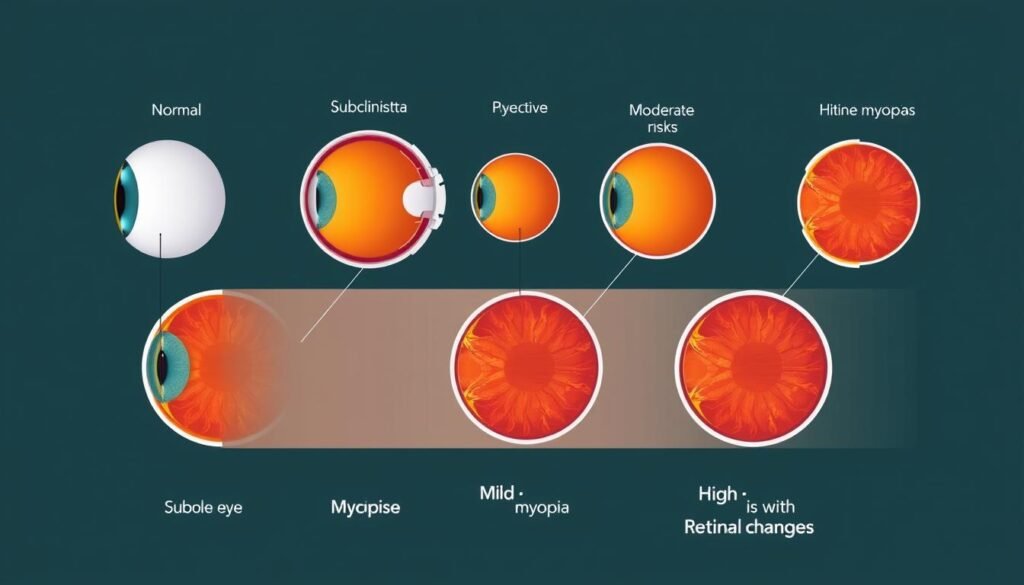
Progressive stages of myopia from subclinical to high myopia with associated risks
Research published in the Journal of Ophthalmology shows that children who develop myopia before age 12 have a significantly higher risk of developing high myopia (over -6.00 diopters) by adulthood. Every diopter increase in myopia raises the risk of serious eye diseases:
| Eye Condition | Risk Increase Per Diopter | Long-Term Impact |
| Retinal Detachment | 70% | Surgical emergency that can lead to permanent vision loss |
| Myopic Macular Degeneration | 67% | Leading cause of blindness in high myopia patients |
| Glaucoma | 20% | Progressive optic nerve damage and vision loss |
| Cataracts | 21% | Earlier onset requiring surgical intervention |
“There is no such thing as a ‘safe’ level of myopia. Even mild cases increase the risk of serious eye diseases later in life. The earlier we can intervene, the better chance we have of preventing these complications.”
Beyond physical risks, untreated vision problems can affect a child’s academic performance, social development, and self-esteem. Children with undetected vision issues often struggle in school and may be misdiagnosed with learning or behavioral disorders when the real problem is with their eyes.
Prevention Strategies: Protecting Your Child’s Vision
The good news is that subclinical myopia can be managed effectively with early intervention. By implementing these evidence-based strategies, parents can help slow or even halt the progression of myopia in their children.

Regular outdoor play in natural light is one of the most effective strategies for preventing myopia progression
Daily Habits That Make a Difference
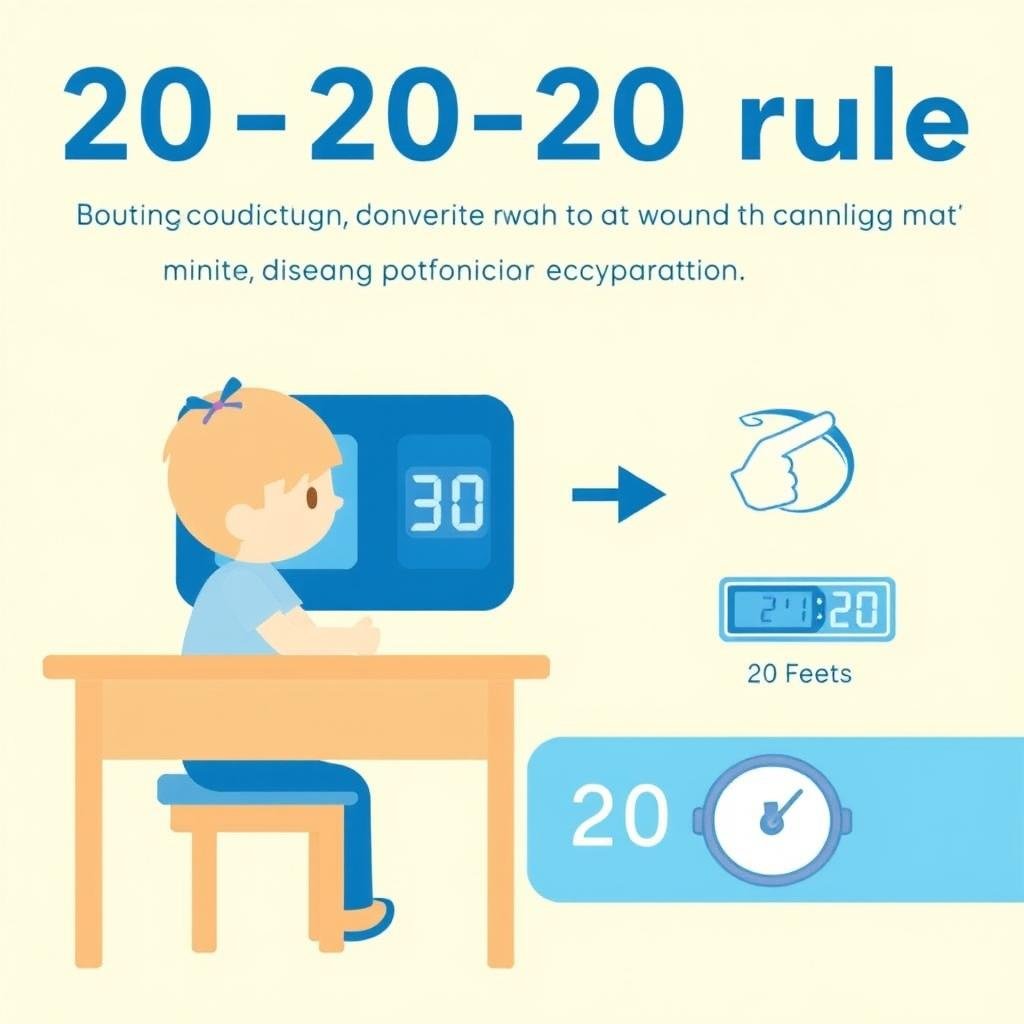
The 20-20-20 Rule
Every 20 minutes of near work, look at something 20 feet away for at least 20 seconds. This relaxes the focusing muscles and reduces eye strain.
Outdoor Time
Aim for at least 90 minutes of outdoor time daily. Natural light exposure stimulates dopamine release in the retina, which helps regulate eye growth.

Blue Light Management
Use device settings or glasses that filter blue light, especially during evening hours. Maintain proper viewing distances from screens (at least arm’s length).
Practical Tips for Parents and Educators
For Parents:
- Schedule comprehensive eye exams annually, not just vision screenings
- Create “tech-free” times during the day, especially before bedtime
- Set up proper lighting for reading and homework (light should come from behind, over the shoulder)
- Encourage activities that require different viewing distances (sports, arts and crafts, board games)
- Model healthy screen habits yourself
For Educators:
- Incorporate vision breaks into classroom routines using the 20-20-20 rule
- Position digital displays to minimize glare and at proper heights
- Alternate between digital and non-digital learning activities
- Recognize potential signs of vision problems (squinting, headaches, avoidance of visual tasks)
- Communicate with parents about observed vision concerns
Success Story: Early Intervention Makes a Difference
When 7-year-old Emma’s parents learned she had subclinical myopia, they implemented a comprehensive management plan: limited screen time, daily outdoor play, and specialized myopia control lenses. Two years later, her myopia progression had slowed by 78% compared to expected rates, potentially saving her from high myopia and its associated risks later in life.
Take Action to Protect Your Child’s Vision
Learn more about how to implement these strategies with our comprehensive guide to protecting children’s vision in the digital age.
Download Our Free GuideConclusion: A Clear Vision for the Future
Subclinical myopia represents a significant but often overlooked threat to our urban children’s long-term vision health. As screen time increases and outdoor activity decreases, more children are at risk for developing this condition that silently damages their eyes long before obvious symptoms appear.
By understanding the limitations of standard vision screenings, recognizing the subtle signs of subclinical myopia, and implementing preventive strategies, parents can take proactive steps to protect their children’s vision. Regular comprehensive eye exams with an eye care professional who specializes in pediatric vision are essential for early detection and intervention.
The epidemic of subclinical myopia in urban children is a challenge we must face together—parents, educators, and healthcare providers working collaboratively to ensure our children maintain healthy vision throughout their lives. With awareness and action, we can help our children see clearly into the future.
Don’t Wait Until Vision Problems Become Obvious
Schedule a comprehensive eye exam with specialized testing that can detect subclinical myopia before it progresses.
Find a Pediatric Vision Specialist Near YouHow often should urban children have comprehensive eye exams?
The American Optometric Association recommends that all children have their first comprehensive eye exam at 6 months of age, another at age 3, and again before starting school. For children in urban environments with increased screen time and limited outdoor activity, annual comprehensive exams are recommended, even if they pass school vision screenings.
Can subclinical myopia be reversed?
While existing changes to the eye cannot be reversed, early intervention can halt or significantly slow the progression of myopia. The earlier subclinical myopia is detected, the more effective interventions tend to be in preventing progression to higher levels of myopia and reducing long-term risks.
What treatment options exist for children with subclinical myopia?
Treatment options include specialized contact lenses (orthokeratology or multifocal lenses), atropine eye drops at low concentrations, specialized eyeglasses, and lifestyle modifications. The appropriate treatment depends on the child’s age, degree of myopia, and individual needs. An eye care professional specializing in myopia management can recommend the best approach.