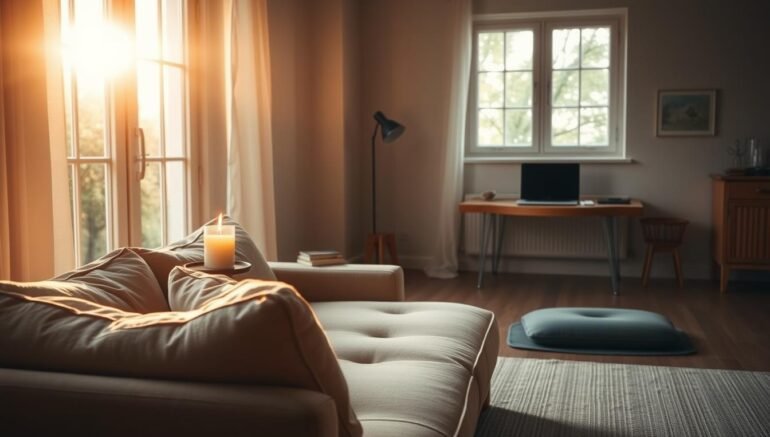
You might feel overwhelmed by the constant buzz of notifications and the endless scroll of social media. You’re not alone. The average American spends more than half of their waking life staring at a screen. 61% admit to being addicted to the internet and their devices.
Imagine taking a break from it all, without leaving your own space. Silent retreats at home let you disconnect from the digital world and reconnect with yourself. Our DIY guides will show you how to create a peaceful and mindful space. This will help you achieve a digital detox and find inner calm.
Key Takeaways
Learn how to create a peaceful environment for a silent retreat at home
Discover DIY guides for a digital detox
Understand the benefits of disconnecting from devices
Find tips on maintaining mindfulness in daily life
Explore ways to reduce screen time and improve mental well-being
The Power of Silence in a Noisy Digital World
In today’s world, digital noise is everywhere. Silence can lead to inner peace and clarity. You can find quiet by taking silent retreats, even at home.
The Traditional Practice of Silence and Solitude
For centuries, silence and solitude have been key for spiritual growth. Many cultures and religions value silence to connect with themselves and the divine. By embracing silence, you can join this tradition and feel its deep benefits.
Mental and Physical Benefits of Disconnecting
Stepping away from digital noise has many mental and physical perks. Silence can lower stress, enhance thinking, and spark creativity. Adding silence to your day can bring these benefits to you.
Benefit
Description
Impact
Reduced Stress
Silence helps calm the mind and reduce anxiety.
Improved mental well-being
Improved Cognitive Function
Silence can improve focus and concentration.
Enhanced productivity
Increased Creativity
Silence allows the mind to wander and explore new ideas.
Innovative thinking and problem-solving
Why Home Retreats Can Be Effective Alternatives
Home retreats are great alternatives to monastery retreats. They offer a cozy, familiar spot for silence and self-reflection. By setting up a quiet space at home, you can enjoy the retreat’s benefits without leaving.
Planning Your Silent Retreats at Home
Starting a silent retreat at home needs a solid plan. You must define your goals, pick the right type of retreat, and get your space and family ready.
Setting Clear Intentions and Goals
It’s key to know what you want from your retreat. Are you seeking spiritual growth or better well-being?
Spiritual vs. Wellness-Focused Retreats
Knowing the difference between spiritual and wellness retreats is important. Spiritual retreats focus on meditation and prayer to connect with yourself or a higher power. Wellness retreats include yoga and spa treatments to refresh your body and mind.
Realistic Expectations for First-Timers
First-timers should have realistic hopes. It might take time to get used to the silence, but it can be very rewarding.
Determining Your Ideal Retreat Duration
The length of your retreat depends on your goals and comfort. Start with a weekend and extend it as you get more into it.
Preparing Family and Housemates
Telling your family and housemates about your retreat is important. Explain your goals and how they can support you during this time.
Creating Your Digital Detox Protocol
A well-planned digital detox protocol is key for a successful silent retreat at home. It lets you disconnect and recharge. To do this, follow a few important steps.
Device Inventory and Disconnection Plan
Begin by making a detailed device inventory. Collect all your devices, like smartphones, tablets, laptops, and smartwatches. It can be hard to stop using these devices. Some people might feel withdrawal symptoms even after just one day without them.
After you’ve listed all your devices, make a plan for disconnecting. Choose which devices to turn off completely and which to set to silent mode. You might also want to remove distracting apps or use app blockers to fight digital temptation.
Setting Up Auto-Responses and Boundaries
Next, set up auto-responses on your devices to let others know you’re not available. This way, you can manage expectations and avoid digital distractions. It’s also important to set clear boundaries. Tell your family and friends about your retreat schedule so they know not to disturb you.
Alternatives to Digital Activities
To replace digital devices, look into analog entertainment options and non-digital communication methods.
Analog Entertainment Options
Try activities like reading physical books, journaling, or doing hobbies that don’t involve screens. These can entertain and satisfy you without needing digital devices.
Non-Digital Communication Methods
If you need to stay in touch with family and friends, use non-digital ways like writing letters or sending postcards. These methods lead to more thoughtful communication. They’re a meaningful way to connect without digital devices.
Designing Your Sacred Space
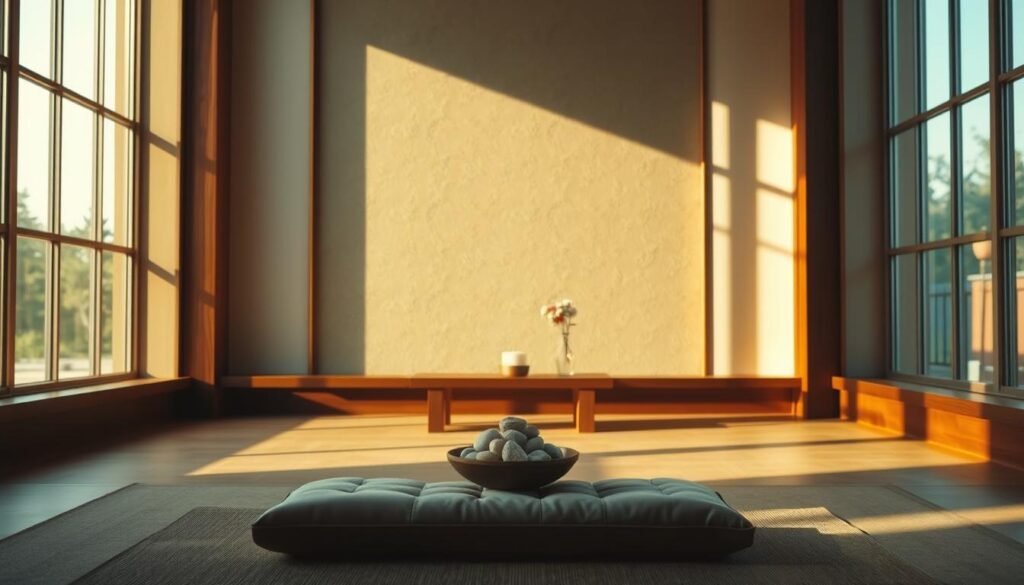
A well-designed sacred space is key for a meaningful silent retreat at home. This area will be your base for a digital detox. It should be calm and free from distractions.
Selecting and Preparing Your Retreat Area
Find a quiet spot in your home for your retreat. It should be away from busy areas and noise. Prepare the space by cleaning and removing clutter. This creates a peaceful place for mindfulness.
Decluttering and Minimizing Distractions
Get rid of anything that might distract you. Minimize clutter by storing away unnecessary items. This makes your space simple and calm, helping you stay focused.
Creating a Sensory-Rich Environment
A sensory-rich environment can make your retreat better. Think about these elements:
Sound Considerations
Use calming sounds or silence for a peaceful vibe. You can use a sound machine or soft music.
Lighting and Visual Elements
Make the lighting comfortable. Soft, natural light is best, but candles or dimmable lamps work too. Add nature-inspired art or plants for a serene feel.
Comfort and Texture
Make the space cozy with cushions, blankets, or a meditation chair. Different textures make it inviting.
Designing your sacred space well makes your retreat better. It helps you connect with yourself more deeply.
Structuring Your Silent Retreat Schedule
A well-planned silent retreat schedule is key for a good digital detox. It keeps you focused and makes your time in silence valuable.
Morning Practices for Centering
Start your day with a morning practice to set a positive tone. Try meditation or gentle stretching to center yourself. Insight Timer has many guided meditations to help.
Midday Activities for Self-Reflection
Midday is perfect for self-reflection and thinking deeply. Use this time for journaling, reading, or a quiet walk. Reflecting on your experiences can help you understand yourself better.
Evening Rituals for Inner Peace
Evening rituals help you relax and get ready for sleep. Try candlelight meditation or gratitude journaling to find inner peace.
Balancing Structure with Spontaneity
Having a schedule is important, but don’t forget spontaneity. Be flexible and adapt to your needs and feelings during the retreat.
Sample Schedules for Different Retreat Lengths
Here are some sample schedules to help you plan:
For a 24-hour retreat: Start with morning meditation, then journal, and end with evening reflection.
For a 3-day retreat: Day 1 – Set intentions; Day 2 – Do self-reflection activities; Day 3 – Focus on mindfulness and gratitude.
By planning your silent retreat schedule well, you can have a meaningful and transformative experience. It will nourish your mind, body, and spirit.
Mindfulness Practices for Deeper Connection
A silent retreat at home is a great chance to explore mindfulness. These practices help you find inner peace and self-awareness. They make your retreat experience richer and more meaningful.
Accessible Meditation Techniques
Meditation is a key mindfulness practice for calm and clarity. Start with simple methods like focusing on your breath or body scan. Regular meditation reduces stress and boosts self-awareness.
Mindful Movement and Embodiment
Practices like yoga or tai chi increase body awareness. They help you stay present and improve your well-being.
Journaling Prompts for Self-Discovery
Journaling helps you reflect on your thoughts and feelings. Use prompts to guide your reflection. Think about your retreat goals or personal growth.
Contemplative Reading and Reflection
Contemplative reading sparks reflection and new insights. Choose texts that inspire you, from various spiritual traditions.
Recommended Texts for Different Traditions
Here are some texts for contemplative reading:
Tradition
Recommended Texts
Buddhist
“The Dhammapada”, “Mindfulness in Plain English” by Bhante Henepola Gunaratana
Christian
“The Imitation of Christ” by Thomas à Kempis, “Prayer: A Simple Conversation with God” by Max Lucado
Taoist
“Tao Te Ching” by Lao Tzu, “The Simple Art of Not Knowing” by Teeguarden
Conclusion: Bringing Retreat Wisdom into Everyday Life
After your silent retreat at home, the real challenge starts. It’s about keeping the wisdom you gained in your daily life. A digital detox retreat aims to help you change for the better, not just disconnect from tech.
To keep the good vibes going, add mindfulness to your daily habits. Try meditating or journaling in the morning. Or, make some time each day without your devices.
This way, you can keep the calm and clarity you felt during your retreat. It’s about becoming more intentional and balanced in your everyday life.
FAQ
What is a silent retreat, and how can I do it at home?
A silent retreat is a time of quiet, used for meditation and growth. To do one at home, pick a quiet spot, turn off devices, and stick to a plan.
How long should a silent retreat be?
A silent retreat can last from hours to weeks. Pick a time that fits your life, starting small if needed.
How do I prepare my family and housemates for a silent retreat at home?
Before a silent retreat, talk about your plans and quiet time. Set clear rules for noise and interruptions. Choose a quiet spot for your retreat.
What are some alternatives to digital activities during a silent retreat?
Instead of screens, try reading, journaling, or meditation. You can also draw, paint, or enjoy nature.
How can I maintain the benefits of a silent retreat after it’s over?
To keep the retreat’s benefits, add mindfulness to your daily life. Meditate, journal, or move mindfully. Set aside quiet time each day and limit screen use.
What are some tips for creating a sensory-rich environment for a silent retreat?
For a rich retreat, think about lighting, sound, and comfort. Use candles or dim lights for calm. Add soothing scents and cozy seating for comfort.
How can I balance structure with spontaneity during a silent retreat?
Balance structure and freedom by planning meditation and reflection, but also leave room for spontaneity. Listen to your body and adjust as needed.
What are some accessible meditation techniques for beginners?
Beginners can try focusing on breath, body scan, or loving-kindness meditation. Guided meditations, like those on Headspace or Calm, can also help.
How can I incorporate mindfulness practices into my daily routine?
To add mindfulness to your day, start with short meditation or deep breathing. Bring mindfulness to everyday tasks like eating or walking by focusing on your senses.