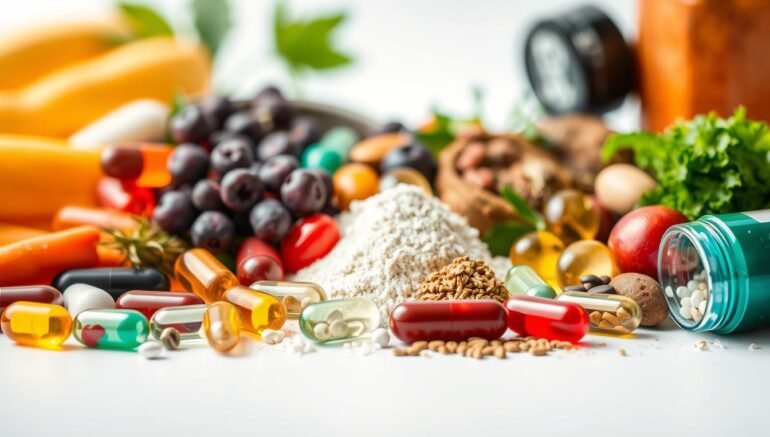
You might know that some foods can greatly affect your health and wellness. Nutrition is key in stopping and managing diseases. The idea of using food as medicine is becoming more popular.
The idea of using food for health isn’t new. But, the focus on nutraceuticals – special compounds from nature that help with health – is growing. Adding these foods to your diet might make you healthier and lower disease risks.
Incorporating functional foods into your diet can improve overall health.
Certain foods have been shown to help prevent and manage diseases.
A focus on nutrition is key for staying well.
Using food as medicine is a growing idea.
The Evolution of Food as Medicine
For centuries, people have used food not just for eating but also as medicine. The idea of food as medicine has grown a lot. It has moved from old ways to new functional foods that science supports.
Historical Perspectives on Healing Foods
Long ago, cultures knew that some foods could heal. They used these foods in their medicine. This knowledge has helped shape our understanding of healing foods today.
Ancient Medical Traditions and Food Therapy
In ancient Greece, Hippocrates said diet was key to health. He believed in a whole-body approach to medicine, including diet. In traditional Chinese medicine, food was used to balance the body’s energy, or “qi.”
Cultural Food Remedies Across Civilizations
Every culture has its own food remedies. For example, in India, Ayurveda uses food to keep people healthy and prevent sickness. Turmeric is known for its anti-inflammatory effects. In Japan, fermented foods like miso and natto are thought to improve health.
The Modern Emergence of Functional Foods
The idea of functional foods came from old knowledge and new nutritional science. This change has changed how we see health and wellness.
Key Milestones in Nutritional Science
Big discoveries in nutrition have led to functional foods. We now know how vitamins and minerals work. This knowledge lets us make foods that are good for us and taste great.
Shift from Deficiency Prevention to Health Optimization
Nutrition science has moved from just avoiding deficiencies to making us healthier. This change is seen in functional foods. They aim to improve our health and prevent diseases.
Era
Focus
Examples
Ancient
Traditional healing practices
Herbal remedies, dietary practices
Modern
Nutritional science and health optimization
Fortified foods, probiotics, nutraceuticals
Functional Foods & Nutraceuticals: Where Food Meets Medicine
Functional foods and nutraceuticals change how we think about health and wellness. They offer more than just basic nutrition. They can help prevent or manage health issues.
Defining Functional Foods
Functional foods give health benefits beyond what they offer nutritionally. They fall into two main groups:
Conventional Foods with Health Benefits: These are natural foods with health perks. For example, oatmeal is full of fiber and can lower cholesterol.
Modified Foods with Enhanced Properties: These are foods with extra nutrients or compounds. Like orange juice fortified with calcium.
Understanding Nutraceuticals
Nutraceuticals come from food and are thought to have health benefits. They include:
Isolated Compounds and Concentrated Extracts: Examples are omega-3 fatty acids from fish oil or curcumin from turmeric.
Delivery Forms and Bioavailability: Nutraceuticals come in forms like capsules or powders. They’re made to be easier for your body to use.
The Distinction Between Conventional Foods and Supplements
It’s important to know how functional foods and nutraceuticals are regulated and used.
Regulatory Classifications: In the U.S., the FDA oversees them but with different rules than pharmaceuticals.
Consumption Patterns and Consumer Perception: People see these products differently. Some think they’re key to staying healthy, while others are unsure.
Knowing the differences between functional foods, nutraceuticals, and regular foods helps you make better choices for your health.
The Science Behind Bioactive Compounds
Bioactive compounds are key to our health. They include phytochemicals and antioxidants. These substances help keep us healthy and fight off diseases.
Phytochemicals and Their Mechanisms
Phytochemicals are found in plants. They help reduce inflammation and protect against cancer.
Polyphenols, Flavonoids, and Carotenoids
Polyphenols, flavonoids, and carotenoids are well-studied phytochemicals. They are antioxidants found in fruits, veggies, and whole grains.
Polyphenols are in tea, coffee, and some fruits.
Flavonoids are in berries, citrus fruits, and leafy greens.
Carotenoids give tomatoes, carrots, and greens their bright colors.
Cellular Pathways and Signaling Effects
Phytochemicals work through different pathways in cells. They can change how cells talk to each other, leading to better health.
Antioxidants and Free Radical Theory
The free radical theory says oxidative stress ages us. It’s linked to chronic diseases.
Oxidative Stress and Chronic Disease
Oxidative stress causes many chronic diseases. Antioxidants in food and supplements can reduce this stress.
Measuring Antioxidant Capacity
There are ways to measure how well foods fight free radicals. These tests show how effective antioxidants are.
Nutrigenomics: How Food Affects Gene Expression
Nutrigenomics studies how food affects our genes. It’s a new field that could lead to personalized diets.
Epigenetic Modifications Through Diet
Diet can change how genes work without changing the DNA. These changes can affect our health a lot.
Personalized Nutrition Approaches
Nutrigenomics could lead to diets tailored to our genes. This could make us healthier based on our genetic makeup.
Categories and Types of Functional Foods
Functional foods come in many forms. You can find them naturally, fortified, or fermented. This variety helps you pick what suits your diet best.
Naturally Occurring Functional Foods
Naturally occurring foods have good stuff in them. They are full of vitamins, minerals, and more. These foods give health benefits beyond just food.
Fruits, Vegetables, and Their Bioactive Components
Fruits and veggies are great examples. They have things like antioxidants and flavonoids. For example, berries are rich in anthocyanins, which are good for your heart.
A study in the Journal of Agricultural and Food Chemistry showed that fruits like blueberries and strawberries are good for you. Dr. Jane Smith, a nutrition expert, said,
“The bioactive compounds in fruits and vegetables play a big role in preventing chronic diseases.”
Nuts, Seeds, and Whole Grains
Nuts, seeds, and whole grains are also good. They have healthy fats, fiber, and more. For instance, almonds are a good source of vitamin E, which protects cells.
Nut/Seed/Grain
Key Nutrient
Health Benefit
Almonds
Vitamin E
Antioxidant properties
Chia Seeds
Omega-3 Fatty Acids
Heart health support
Oats
Fiber
Digestive health
Fortified and Enhanced Products
Fortified and enhanced foods offer extra health benefits. They are made with added vitamins, minerals, or other good stuff.
Vitamin-Enriched Foods and Beverages
Many foods and drinks are made better with vitamins. For example, orange juice is often enriched with calcium for bone health.
Omega-3 Enhanced Products
Some products have omega-3 fatty acids for heart health. You can find them in eggs, yogurt, and even bread.
Fermented Foods and Probiotics
Fermented foods have live microorganisms that are good for you. They are full of probiotics, which help your gut.
Yogurt, Kefir, and Cultured Dairy
Yogurt and kefir are fermented dairy with probiotics. They keep your gut healthy.
Non-Dairy Fermented Options
For those who can’t have dairy, there are other fermented foods. Kimchi, sauerkraut, and miso offer similar benefits.
Adaptogens and Medicinal Herbs
Adaptogens and medicinal herbs have been used for ages. They are now part of modern diets for their health perks.
Traditional Herbs in Modern Applications
Herbs like turmeric, ginger, and ginseng are used today. They are in teas and supplements for their health benefits.
Mushrooms and Fungal Derivatives
Certain mushrooms, like reishi and chaga, boost your immune system. They are eaten as supplements or added to foods.
Health Benefits and Therapeutic Applications
Functional foods and nutraceuticals are key players in health. They offer many benefits, affecting different parts of our body. This helps us stay healthy overall.
Cardiovascular Health Support
These foods and supplements are great for our heart. They work in several ways:
Cholesterol Management and Blood Pressure Regulation
Some foods, like omega-3 fatty acids and soluble fiber, help control cholesterol and blood pressure. For example, eating salmon can lower triglycerides and heart disease risk.
Endothelial Function and Vascular Health
Antioxidants and flavonoids in berries and dark chocolate boost endothelial function. This improves blood vessel health and lowers heart disease risk.
Food
Benefit
Mechanism
Fatty Fish (Salmon)
Lowers Triglycerides
Omega-3 Fatty Acids
Oats
Lowers Cholesterol
Soluble Fiber
Berries
Improves Vascular Health
Antioxidants and Flavonoids
Immune System Enhancement
A strong immune system fights off infections and keeps us healthy. Functional foods and supplements boost our immune function:
Immunomodulatory Compounds
Mushrooms and herbs contain compounds that help our immune system fight infections better.
Gut-Immune Axis Support
Prebiotic fibers and probiotics help our gut microbiome. A healthy gut microbiome boosts our immune system and overall health.
Digestive Health and Gut Microbiome
A healthy gut microbiome is vital for digestion and overall health. Functional foods support this:
Prebiotic Fibers and Microbial Diversity
Prebiotic fibers in foods like asparagus and bananas help beneficial microbes grow. This increases microbial diversity.
Digestive Enzyme Support
Digestive enzymes in supplements help break down nutrients. This improves digestion and nutrient absorption.
“The gut microbiome is a complex ecosystem that plays a critical role in our overall health. Supporting it through diet can have far-reaching benefits.” – Dr. Jane Smith, Nutrition Expert
Cognitive Function and Brain Health
Functional foods and supplements also benefit our brain and cognitive function:
Neuroprotective Compounds
Turmeric and green tea contain compounds that protect our brain. They may lower the risk of neurodegenerative diseases.
Memory and Focus Enhancement
Omega-3 fatty acids and Ginkgo biloba improve memory and focus. They support brain health.
Anti-Inflammatory and Anti-Aging Properties
Chronic inflammation and aging are big health concerns. Functional foods and supplements can help:
Chronic Inflammation Reduction
Antioxidants and polyphenols in certain foods reduce chronic inflammation. This lowers disease risk.
Cellular Senescence and Longevity Pathways
Resveratrol and other compounds influence aging pathways. They may promote healthy aging.
Navigating the Regulatory Landscape
The functional foods and nutraceuticals industry is growing fast. It’s key to understand the rules to ensure your products are safe and meet standards.
FDA Regulations and Health Claims
The FDA is important in the US for these products. They focus on what health claims can be on labels.
Qualified vs. Authorized Health Claims
There are two kinds of health claims: authorized and qualified. Authorized health claims have strong scientific backing and can be on labels. Qualified health claims have some evidence but don’t meet the full standard.
Structure/Function Claim Limitations
Structure/function claims explain how a nutrient affects the body. These claims need scientific proof but don’t need FDA approval.
International Regulatory Frameworks
Rules for functional foods and nutraceuticals vary worldwide. Knowing these differences is key for companies wanting to grow globally.
European Food Safety Authority Standards
The European Food Safety Authority (EFSA) checks food safety in the EU. Their opinions help shape EU policies.
Asian Market Regulations
Asian markets like Japan and Korea have their own rules. For example, Japan has specific rules for Foods for Specified Health Use (FOSHU).
Region
Regulatory Body
Key Regulations
United States
FDA
Health Claims, Dietary Supplement Regulations
European Union
EFSA
Health Claims, Novel Foods Regulation
Japan
MHLW
FOSHU, Food Labeling Standards
Understanding Labels and Marketing Claims
Labels and marketing claims are vital for product marketing. They help consumers make smart choices.
Deciphering Product Packaging
Product packaging is full of important information. Knowing what it means helps consumers choose better.
Evaluating Scientific Evidence Behind Claims
It’s important to check the science behind health claims. Look for studies in reputable journals and clear research methods.
“The labeling of food products plays a critical role in enabling consumers to make informed choices about their diet.”
Incorporating Functional Foods Into Your Diet
Exploring functional foods can boost your diet with nutrients. Adding these foods to your meals can greatly improve your health and wellbeing.
Creating a Balanced Functional Food Plan
To add functional foods to your diet, plan carefully. Learn about the nutritional benefits of different foods and how they work together.
Building Meals Around Bioactive-Rich Foods
Start by adding bioactive-rich foods to your meals. Foods like berries, leafy greens, and fatty fish are full of nutrients. They make your diet more nutritious.
Seasonal and Regional Considerations
Choose seasonal and regional produce for your diet. These foods are fresher, more nutritious, and better for the environment.
Practical Tips for Daily Consumption
Here are some tips to make functional foods a part of your daily routine.
Preparation Methods That Preserve Nutrients
Use cooking methods that keep nutrients in your food. Steaming, roasting, and stir-frying are great ways to cook without losing nutrients.
Synergistic Food Combinations
Pairing foods can boost their nutritional value. For example, eating vitamin C-rich foods with iron-rich foods can help your body absorb iron better.
Potential Interactions with Medications
Functional foods can interact with some medications. Knowing these interactions is important.
Common Food-Drug Interactions
Some foods can affect how medications work. Grapefruit can change the effect of certain statins. Foods high in vitamin K can affect blood thinners.
When to Consult Healthcare Providers
If you’re on medication, talk to your doctor before changing your diet. This is important if you’re adding new functional foods.
Addressing Dietary Restrictions and Preferences
Functional foods can fit many dietary needs and preferences. Whether you’re vegan, gluten-free, or have other dietary restrictions, there are options for you.
Plant-Based and Vegan Options
Plant-based diets can be full of functional foods. Fruits, vegetables, legumes, and whole grains are great options. Vegan diets can include fortified plant-based milk and nutritional yeast.
Allergen-Free Alternatives
There are allergen-free options for those with food allergies. For example, gluten-free grains like quinoa and rice are good alternatives for those with gluten intolerance.
Functional Food
Nutritional Benefit
Dietary Adaptation
Berries
Rich in Antioxidants
Vegan, Gluten-Free
Fatty Fish
High in Omega-3 Fatty Acids
Gluten-Free, can be adapted for vegan diets with alternatives
Leafy Greens
Packed with Vitamins and Minerals
Vegan, Gluten-Free
Challenges and Controversies in Functional Foods
Adding functional foods to your diet can be good, but it comes with challenges and debates. It’s important to know about the issues with scientific proof, how easy they are to get, and the risk of eating too much.
Scientific Evidence Quality and Research Gaps
The science on functional foods is not settled. There are gaps in the research.
Limitations of Current Studies
Many studies on functional foods have methodological limitations. This includes small sample sizes or short study times. These issues can make the results less reliable.
The Need for Long-Term Clinical Trials
We need long-term clinical trials to really understand how functional foods affect our health. These trials would help us know the good and bad sides of eating them.
Accessibility and Affordability Issues
Functional foods are getting more popular, but they’re not easy for everyone to get. They can be too expensive for many people.
Socioeconomic Barriers to Functional Foods
Socioeconomic factors affect who can get functional foods. People with less money often find it hard to buy them.
Strategies for Cost-Effective Consumption
To make functional foods more affordable, you can try a few things. Buy in bulk, choose seasonal produce, or use cheaper options like oats and beans in your meals.
Functional Food
Cost-Effective Strategies
Health Benefits
Oats
Buy in bulk, use in multiple recipes
Rich in fiber, supports heart health
Beans
Purchase dried beans, cook in large batches
High in protein, fiber, and antioxidants
Fatty Fish
Look for canned or frozen options, buy in season
Rich in omega-3 fatty acids, supports heart and brain health
Overconsumption and Supplement Dependency
Functional foods are good, but eating too much or relying too much on supplements is a problem. It’s important to eat a variety of foods and use supplements wisely.
Risks of Megadosing Bioactive Compounds
Megadosing can harm your health. It’s important to know the risks and stick to the recommended amounts.
Balancing Whole Foods vs. Isolated Nutrients
It’s best to focus on whole foods but use supplements when needed. This way, you get the most benefits and avoid risks.
Conclusion: The Future of Food as Medicine
Exploring food as medicine shows us how functional foods and nutraceuticals are changing health and wellness. These products are key in preventing and managing chronic diseases. The future looks bright for food as medicine.
You can use functional foods and nutraceuticals in your diet. They offer many health benefits, improving your health and life quality. As research finds out more about bioactive compounds, we’ll see new products.
The demand for these foods and supplements is growing. Companies are making new products for different needs and tastes. It’s important to keep up with the latest in food as medicine and rules.
By using functional foods and supplements, you can improve your health. This way, you can make the most of food as medicine for a better life.
FAQ
What are functional foods and nutraceuticals?
Functional foods and nutraceuticals offer health benefits beyond basic nutrition. They help prevent or manage diseases and support overall wellness.
How do bioactive compounds in functional foods work?
Bioactive compounds in functional foods, like phytochemicals and antioxidants, interact with the body. They reduce inflammation, improve heart health, and boost the immune system.
What is the difference between conventional foods and supplements?
Conventional foods provide basic nutrition. Supplements, including nutraceuticals, are concentrated bioactive compounds. They come in pill or powder form and aim to support specific health benefits.
Are functional foods regulated by the FDA?
Yes, the FDA regulates functional foods. The level of regulation depends on the product type and health claims. Manufacturers must follow FDA guidelines for labeling and health claims.
Can functional foods interact with medications?
Yes, some functional foods can interact with medications. This is true for foods with bioactive compounds, like blood thinners. It can affect their effectiveness or increase side effects.
How can I incorporate functional foods into my diet?
Add functional foods to your diet by eating whole foods like fruits, vegetables, whole grains, and lean proteins. Also, consider fortified or enhanced products, like probiotic yogurt or omega-3 enriched eggs.
What are some examples of naturally occurring functional foods?
Naturally occurring functional foods include berries, leafy greens, fatty fish, and nuts. They are rich in antioxidants and omega-3 fatty acids.
Can functional foods help support cardiovascular health?
Yes, certain functional foods support heart health. Foods rich in omega-3 fatty acids, fiber, and antioxidants reduce inflammation. They also improve lipid profiles and lower blood pressure.
Are there any potentially risky aspects of consuming functional foods?
Yes, risks include overconsumption, interactions with medications, and allergic reactions. It’s important to consume them in moderation. Always consult a healthcare professional if you have concerns.