
May 12, 2025
Many people learn about sex and health from media, friends, and sometimes parents. This mix can lead to misconceptions about contraception, like condoms.
Debunking common myths about condoms is key. They’re important for sexual health, not just for preventing pregnancy. They also protect against sexually transmitted infections (STIs).
Knowing the facts about condoms helps people make smart choices about their health. It’s important to ignore myths and see the real benefits of condoms. They help prevent unwanted pregnancies and STIs.
Key Takeaways
- Condoms are not just for birth control; they also protect against STIs.
- Misconceptions about condoms can lead to their misuse or avoidance.
- Education on sexual health can help debunk common myths about condoms.
- Understanding condom facts can lead to better sexual health decisions.
- Condoms are a key part of a complete sexual health plan.
The Vital Role of Condoms in Sexual Health
Condoms have been important for sexual health for thousands of years. Randy S. Gelow, MD, a family medicine doctor in Phoenix, AZ, says knowing their history helps clear up myths.
A Brief History of Condoms
People used condoms in ancient Egypt, Greece, and Rome. They were made from linen and animal intestines. These early condoms helped prevent diseases and unwanted pregnancies.
In the 20th century, latex condoms became popular. They were more effective and easier to get than before.
Modern Condoms and Their Evolution
Now, condoms come in latex, polyurethane, and lambskin. They are made to be more comfortable and last longer. There are also lubricated and textured condoms for better use.
The table below shows how condoms have improved. They now protect better against STIs and unwanted pregnancies.
| Material | STI Protection | Pregnancy Prevention Effectiveness |
|---|---|---|
| Latex | High | 98% |
| Polyurethane | High | 95% |
| Lambskin | Low | 95% |
Condoms have changed a lot over time. They show how society and technology have evolved. Knowing about condoms helps people make better choices for their sexual health.
Common Misconceptions About Condom Use
Many people have wrong ideas about condoms that can harm their health. These myths can cause them to use condoms wrong or not use them at all. It’s important to clear up these misconceptions.
The “Reduced Sensation” Myth
Some think condoms make sex less enjoyable. But, condoms can actually make sex better if both partners are okay with them.
What Research Actually Shows About Sensation
Studies show that feeling comfortable with condoms can make sex better for many couples. A study found that if both partners like using condoms, sex can be more enjoyable.
“When both partners are comfortable with condom use, it can enhance the overall sexual experience.”
Size and Fit Misconceptions
Some believe condoms don’t fit well. But, condoms come in different sizes to fit everyone.
Finding the Right Size for Comfort and Safety
Finding the right condom size is key for comfort and safety. A table showing different sizes and measurements can help find the best fit.
| Condom Size | Length (mm) | Girth (mm) |
|---|---|---|
| Small | 160-180 | 100-120 |
| Regular | 180-200 | 120-140 |
| Large | 200-220 | 140-160 |
Material Safety Concerns
Some worry about the safety of condom materials, like latex. But, latex-free options are available for those with allergies.
Addressing Latex Allergy Fears
For those with latex allergies, polyurethane or lambskin condoms are good alternatives. It’s important to talk to a healthcare provider about any allergies or sensitivities to find the best choice.
Condom Myths & Facts – Not Just for Birth Control
Condoms do more than prevent pregnancy. They play a key role in sexual health, protecting against many issues. This makes them essential for overall sexual wellness.
Beyond Pregnancy Prevention
Condoms are vital for sexual health. They stop the exchange of bodily fluids, lowering STI risks. Dr. Gelow says, “Condoms act as a barrier which doesn’t allow mixing of bodily fluids and decreases exposure of one partner’s fluids from another.”
Mental Health Benefits of Protected Sex
Condoms can boost mental health. They reduce worries about STIs and unplanned pregnancies. This makes sex more enjoyable and stress-free.
The Dual Protection Advantage
Condoms offer dual protection against pregnancy and STIs. This is key for keeping sexual health in check.
How Condoms Support Overall Sexual Wellness
Condoms help prevent STIs and unplanned pregnancies. This improves physical and mental health in sexual relationships.
They also promote a culture of responsibility and respect. This encourages talking openly about sexual health and preferences.
Condom Effectiveness: What the Research Shows
Knowing about condom effectiveness is key for good sexual health choices. Condoms help prevent pregnancy and STIs, but their success depends on how well and often they’re used.
Statistical Reliability for Pregnancy Prevention
Condoms are 98% effective in stopping pregnancy if used right and every time. Many studies show the difference between “perfect use” and “typical use.”
Perfect Use vs. Typical Use Statistics
- Perfect Use: This means using condoms correctly every time, with a pregnancy rate of about 2%.
- Typical Use: This includes mistakes like wrong use or slippage, raising the pregnancy rate to 15-18%.
Effectiveness Against STIs
Condoms are not just for preventing pregnancy; they also fight STIs. The effectiveness against STIs changes with the type of infection and how often condoms are used.
Comparing Condoms to Other Prevention Methods
While condoms are very effective, they’re not the only way to prevent STIs. Options like not having sex or being with one partner without STIs also work. But condoms are a good choice for many people.
- Condoms act as a barrier to lower STI risk.
- They work better against some STIs, like HIV, than others.
By knowing how condoms work and how to use them right, people can make smart choices about their sexual health. This helps clear up contraception myths and promotes safe sex practices.
Types of Condoms and Their Specific Benefits
There are many types of condoms to choose from. Each one is designed for different needs and preferences. You can pick the one that feels right for you, whether it’s for comfort, sensitivity, or protection.
Latex Condoms
Latex condoms are the most popular. They are flexible and comfortable to wear. They work well to prevent pregnancy and STIs. But, if you’re allergic to latex, you might need to look for other options.
Non-Latex Options
If you can’t use latex, there are other choices. You can find condoms made from polyurethane, polyisoprene, and lambskin.
Polyurethane, Polyisoprene, and Lambskin Differences
Polyurethane condoms, like SKYN, are strong and sensitive. They’re a good pick for those with latex allergies. Polyisoprene condoms are flexible like latex but don’t cause as many allergic reactions. Lambskin condoms, made from animal membrane, aren’t good for STI protection because they have pores.
Specialty Condoms and Their Uses
Specialty condoms offer unique experiences. They come in textured, flavored, and ultra-thin varieties.
Textured, Flavored, and Ultra-Thin Varieties
Textured condoms add pleasure with ridges or bumps. Flavored condoms make oral sex more fun. Ultra-thin condoms feel more natural but can break if not used right.
Knowing about the different condoms and their benefits helps you make smart choices. By picking the right condom, you can enjoy enhanced pleasure and stay protected from pregnancy and STIs.
The STI Protection Factor
Using condoms is a big plus for protecting against STIs. They are key to safe sex, cutting down the chance of passing infections. This makes them a vital part of keeping safe during sex.
Which STIs Condoms Protect Against
Condoms help a lot against STIs like HIV, chlamydia, and gonorrhea. They work well when used right and all the time.
HIV, Chlamydia, Gonorrhea Protection Rates
| STI | Protection Rate |
|---|---|
| HIV | Highly effective, significantly reducing transmission risk |
| Chlamydia | Effective in reducing transmission risk |
| Gonorrhea | Effective in reducing transmission risk |
Limitations of Protection
Even though condoms protect a lot, they’re not perfect. They don’t cover skin-to-skin contact infections well.
Understanding Skin-to-Skin Transmitted Infections
Infections like herpes and HPV can spread through skin contact. This is a big deal because condoms don’t cover all skin areas. Knowing this helps keep your sexual health in check.
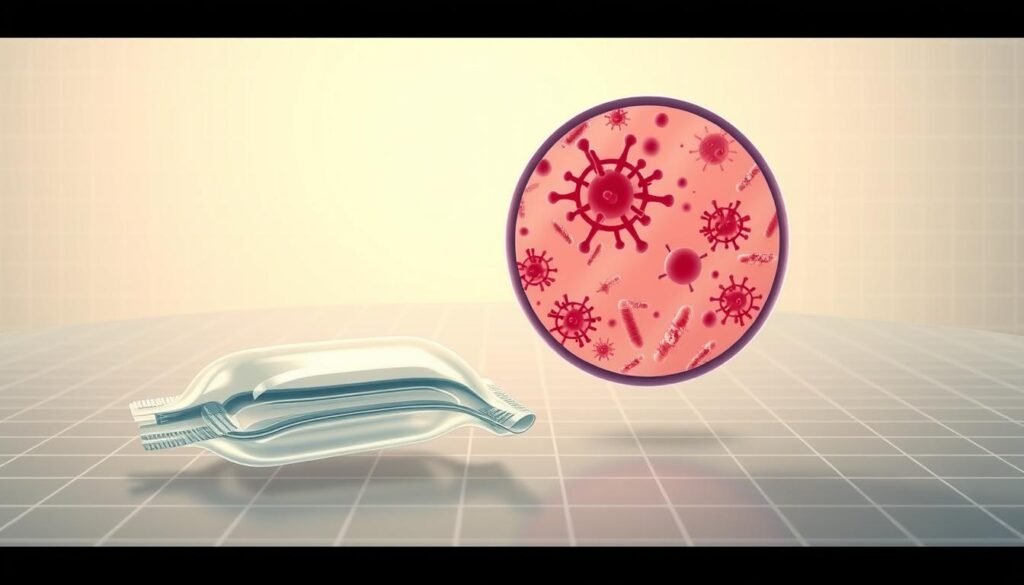
Proper Condom Use: A Step-by-Step Guide
Knowing how to use condoms correctly is key to safe sex. It’s not just about avoiding pregnancy. It also helps protect against sexually transmitted infections (STIs). By following a simple guide, you can make condoms work better.
Before Use: Storage and Checking
Before you use a condom, make sure it’s stored right. Keep condoms in a cool, dry place, away from sunlight and heat. This keeps the material from breaking down.
Temperature and Expiration Date Considerations
Don’t use a condom that’s past its expiration date or older than five years, as Cottrill advises. Checking the expiration date is important for the condom’s reliability.
During Use: Application Techniques
Putting on a condom correctly is essential. Put it on before any genital contact to stop the exchange of fluids. Make sure it’s not twisted and rolled on right to avoid breakage.
Common Application Mistakes to Avoid
- Not leaving space at the tip for semen collection
- Using the wrong size or type of condom
- Not rolling the condom on correctly
After Use: Proper Disposal
After use, dispose of condoms properly for hygiene and the environment. Wrap the used condom in tissue paper and throw it away in a trash can.
Environmental Considerations
While condoms aren’t biodegradable, proper disposal keeps our environment clean. Some brands now offer eco-friendly packaging to help reduce environmental harm.
| Step | Action | Importance |
|---|---|---|
| 1 | Storage in a cool, dry place | Prevents material degradation |
| 2 | Checking expiration date | Ensures condom reliability |
| 3 | Correct application | Prevents breakage and ensures effectiveness |
| 4 | Proper disposal | Maintains hygiene and reduces environmental impact |
Common Condom Failures and How to Avoid Them
Condom failure can be lessened with the right use and knowledge. Condoms are very effective in preventing pregnancy and STIs when used right. But, some things can make failure more likely.
User Errors That Lead to Breakage
One big reason for condom failure is mistakes made by users. This includes not checking the expiration date, not storing them right, and not using them correctly. Using two condoms at once can also increase the risk of breakage due to friction between them, a practice that debunks the myth that more is better when it comes to condom use.
The Impact of Incorrect Storage and Usage
Storing condoms wrong, like in a hot place, can make them weak and break. It’s key to keep them in a cool, dry spot. Also, using the right lubricants can help avoid breakage by reducing friction.
Preventing Slippage and Other Issues
Slippage can happen if the condom doesn’t fit right or if it’s not put on correctly. Making sure it fits well and following the right steps to apply it can lower slippage risk. It’s also important to withdraw carefully after ejaculation while you’re erect to avoid slippage.
What to Do If a Condom Breaks During Use
If a condom breaks, act fast. Emergency contraception should be considered if pregnancy is a concern. Also, get tested for STIs as soon as you can. Talking to your partner about it is also key.
Knowing why condoms fail and how to avoid it can greatly improve protection against pregnancy and STIs.
“The key to effective condom use lies in proper education and consistent practice.”
Condoms and Relationships: Communication is Key
Talking about condom use is key in any relationship. It’s not just about safety; it’s about respect and trust too.
Discussing Condom Use With Partners
Talking about condoms can be tough. But it’s a must. Start by sharing your worries and listen to your partner’s views.
Addressing Resistance to Condom Use
Some might not want to use condoms. Explain why they’re important for health and safety.
Responding to Common Objections
Some might say condoms feel less natural or think it means you don’t trust them. Talk about how to make condoms feel better and say using them shows you care.
| Tips for Discussing Condom Use | Benefits |
|---|---|
| Be Open and Honest | Builds Trust |
| Listen Actively | Resolves Concerns |
| Use Positive Language | Enhances Cooperation |

Special Considerations for Different Populations
It’s important to understand the needs of different groups for effective condom use. Each age group and demographic has its own challenges. These challenges affect their ability to practice safe sex.
Condoms for Young Adults
Young adults often struggle with education and access to condoms. Comprehensive sex education is key to helping them make smart choices about their sexual health.
Education and Access Issues
Improving access to condoms and giving accurate info about their use can help. This can greatly reduce STIs and unintended pregnancies among young adults.
Considerations for Older Adults
Older adults are often overlooked, but they also need to practice safe sex. Their risk of STIs may be lower, but protection is key for their health and well-being.
Why Protection Remains Important at Any Age
Older adults may not worry as much about pregnancy, but they need STI protection. Safe sex practices are vital for everyone’s sexual health.
Accessibility and Affordability Issues
Condoms must be affordable and accessible for all. Programs that provide free or low-cost condoms help those who can’t afford them.
Resources for Free or Low-Cost Condoms
Many organizations offer free or low-cost condoms. People can visit health clinics or check online to find these programs.
Enhancing Pleasure While Using Protection
Condoms have changed to offer more ways to enjoy sex. The secret to a great time is picking the right condom and using it right. This means trying out different materials, textures, and lubricants to feel more.
Condom-Compatible Lubricants
The right lubricant can make condoms better. It cuts down on friction, making sex smoother and more fun.
Water-Based vs. Silicone-Based Options
Water-based lubricants are soft and easy to clean. Silicone-based ones last longer. It’s up to you to decide what feels best.
- Water-based: Good for most condoms and easy to clean.
- Silicone-based: Lasts longer, perfect for longer times.
Texture and Sensation-Enhancing Options
Some condoms have special textures or features to make sex better for both.
Innovative Features for Mutual Pleasure
Textured condoms can add extra fun. They come in many patterns, like ribbed or dotted.
| Feature | Description | Benefit |
|---|---|---|
| Ribbed | Condoms with ribbed texture | Enhanced stimulation |
| Dotted | Condoms with dotted texture | Increased sensation |
| Lubricated | Pre-lubricated condoms | Reduced friction |
Trying out these options can help you find what’s best for you. It shows that condoms don’t have to mean less fun. The right condom and lubricant can actually make sex better while keeping you safe.
Conclusion: Embracing Condoms for Complete Sexual Health
It’s important to know the truth about condoms for our sexual health. Condoms are safe and effective against pregnancy and STIs. They are also easy to find.
Condoms do more than prevent pregnancy. They also protect against many STIs. Knowing how to use them and their benefits helps us make smart choices about our sex lives.
Using condoms is a big step towards better health and responsibility. The right condom used correctly can greatly lower sexual risks. This leads to a healthier and more enjoyable sex life.
Learning about condom myths & facts helps us see their value in safe sex. This knowledge leads to a healthier and more informed approach to sex.
FAQ
Are condoms effective in preventing STIs?
Yes, condoms are very effective in stopping many STIs. This includes HIV, chlamydia, and gonorrhea. They work well if used correctly and all the time.
Do condoms reduce sensation during sex?
Some people might feel less sensation. But, many condoms today are made to keep feelings strong. Using the right lubricant and picking the right size and material can also help.
Can I use any lubricant with my condom?
No, you should only use condom-friendly lubricants. Oil-based ones can harm latex condoms. Water-based or silicone-based ones are safe.
How do I know if a condom is expired or not?
Look for the expiration date on the packaging. Using an expired condom can make it more likely to break.
Are there condoms for people with latex allergies?
Yes, there are condoms made from other materials. Polyurethane or lambskin condoms are good for those allergic to latex.
Can condoms prevent pregnancy as well as other forms of contraception?
Condoms can prevent pregnancy perfectly if used right. But, their success rate can drop with typical use. Other birth control methods, like hormonal ones, might work differently.
How do I properly store condoms?
Keep condoms in a cool, dry place. Stay away from sunlight and heat. Don’t store them in wallets or cars, as it can damage them.
What should I do if a condom breaks during sex?
If a condom breaks, stop right away. Use emergency contraception if you’re worried about pregnancy. Also, get tested for STIs.
Can I reuse a condom?
No, condoms should only be used once. Reusing them can raise the risk of STIs and pregnancy.
How can I discuss condom use with my partner?
Talk openly and honestly about using condoms. Discuss how they benefit both of you. It’s key to share your needs and worries.
Are there condoms designed for enhanced pleasure?
Yes, there are condoms with different textures, flavors, and materials. Trying out different types can help you find what feels best.