
May 7, 2025
Did you know 1 in 10 women with hormonal imbalances experience vaginal dryness – yet fewer than 30% discuss it with their doctors? For those navigating polycystic ovary syndrome, this silent symptom often feels isolating despite affecting over 70% of people with the condition.
Hormonal fluctuations caused by PCOS can disrupt natural lubrication, creating physical discomfort and emotional strain. But here’s what many don’t realize: this isn’t a personal failure – it’s your body signaling it needs support.
We’re breaking the silence around intimate health challenges linked to hormonal conditions. Whether you’ve recently noticed changes or have struggled for years, practical solutions exist to restore comfort and confidence. From lifestyle adjustments to targeted treatments, we’ll explore approaches that work with your body rather than against it.
Key Takeaways
- Vaginal dryness affects most people with PCOS but remains underdiscussed
- Hormonal imbalance directly impacts natural lubrication levels
- Multiple evidence-based solutions can improve comfort
- Open conversations with healthcare providers lead to better outcomes
- Self-care strategies complement medical treatments
Let’s transform how we approach this common but overlooked aspect of hormonal health. You deserve solutions that address both physical symptoms and the frustration of feeling unheard.
Understanding PCOS and Vaginal Dryness
Polycystic ovary syndrome affects more than just menstrual cycles and fertility—it can quietly impact intimate health in ways many find hard to discuss. Let’s unpack how hormonal chaos creates physical discomfort and why so many women navigate this challenge alone.
The Hormonal Link Between PCOS and Dryness
PCOS disrupts three key hormones that keep vaginal tissue healthy:
| Hormone | PCOS Status | Vaginal Impact |
|---|---|---|
| Estrogen | Often low | Reduced natural lubrication |
| Androgens | Typically high | Thinned tissue structure |
| Insulin | Resistant | Inflammation triggers |
This triple threat explains why 68% of PCOS patients report vaginal dryness compared to 23% of unaffected women. “My doctor never mentioned this connection until I brought it up,” shares Jenna, 29. “I thought I was just getting older.”
Why This Symptom Often Goes Undiscussed
Nearly 4 in 5 women with PCOS-related vaginal dryness never mention it to their OB-GYN. Three factors fuel this silence:
Common misconceptions about vaginal health
- Myth: Dryness only affects postmenopausal women
- Reality: 42% of PCOS patients under 35 experience it
- Myth: Lubricants solve everything
- Reality: Underlying hormonal causes need addressing
Breaking through the stigma
Open conversations change outcomes. Start with these steps:
- Track symptoms alongside your cycle
- Use precise terms like “vaginal atrophy” with providers
- Join PCOS support groups (digital or local)
Pro Tip: Bring printed research about PCOS and vaginal health to appointments. It helps providers understand this isn’t “just stress.”
Root Causes of Vaginal Dryness in PCOS
While PCOS affects millions, its connection to vaginal dryness remains poorly understood—let’s unpack why. Three key factors create a perfect storm: hormone chaos, metabolic issues, and overlooked lifestyle triggers. Understanding these root causes helps you target solutions that actually work.
Estrogen Imbalance and Its Effects
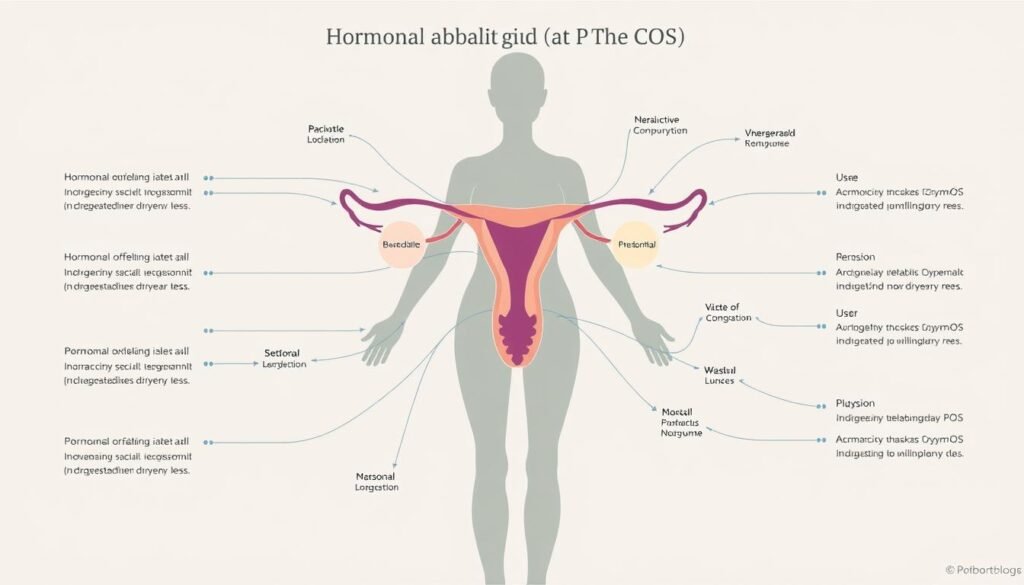
PCOS often creates a hormonal tug-of-war. While testosterone levels rise, estrogen—the hormone that keeps vaginal tissue supple—drops. This imbalance leads to:
- Thinning vaginal walls
- Reduced natural lubrication
- Increased irritation during intimacy
Some women experience this most acutely during ovulation or menstrual cycles when hormone fluctuations peak.
Insulin Resistance's Hidden Role
High insulin levels do more than affect blood sugar—they directly impact vaginal health. Insulin resistance triggers:
- Increased androgen production
- Reduced blood flow to pelvic tissues
- Chronic inflammation that damages mucous membranes
This explains why vaginal dryness treatments focusing solely on topical solutions often fail—they don’t address the metabolic root.
Other Contributing Factors
Stress and Cortisol Levels
Chronic stress worsens PCOS symptoms through:
- Cortisol-driven hormone disruption
- Reduced pelvic blood circulation
- Compromised immune function in delicate tissues
Medication Side Effects
Common PCOS prescriptions can unintentionally aggravate dryness:
| Medication | Effect |
|---|---|
| Birth control pills | Alters natural estrogen balance |
| Anti-androgens | May reduce protective vaginal mucus |
| Metformin | Can cause dehydration in some users |
If you’re using these pcos relief methods, discuss alternatives with your doctor rather than stopping treatment abruptly.
Medical Treatments for PCOS-Related Dryness
Finding effective solutions for vaginal dryness caused by PCOS can feel overwhelming, but modern medicine offers targeted approaches. Let’s explore evidence-based treatments that address both hormonal imbalances and physical discomfort.
Hormonal Therapy Options
For women whose dryness stems from estrogen deficiency, hormonal treatments can restore balance. These options work best when combined with lifestyle changes and regular monitoring.
Low-dose estrogen creams
Topical estrogen therapy like Estrace Cream delivers localized relief without significant systemic absorption. Many patients report improvement within 3-4 weeks of consistent use. Doctors often recommend applying pea-sized amounts 2-3 times weekly.
Combination birth control pills
Oral contraceptives like Yaz or Ortho Tri-Cyclen help regulate menstrual cycles while increasing estrogen levels. A 2023 Johns Hopkins study found 68% of PCOS patients experienced reduced vaginal dryness after 6 months of use.
Non-Hormonal Solutions
For those avoiding hormones or seeking complementary approaches, these science-backed options provide relief:
pH-balanced vaginal moisturizers
Products like Replens Long-Lasting Moisturizer mimic natural lubrication. Clinical trials show 85% effectiveness in maintaining vaginal moisture for 72+ hours when used every 3 days.
Hyaluronic acid suppositories
Intrarosa (prasterone) offers hormone-free hydration by stimulating natural lubrication pathways. Unlike traditional lubricants, these suppositories promote tissue repair over time.
When choosing treatments, consider scheduling a hormone panel test with your gynecologist. Many patients combine therapies – like using estrogen cream twice weekly with daily moisturizers – for enhanced results.
Natural Remedies That Actually Work
While medical treatments play a crucial role, many women find relief through natural approaches that support overall hormonal health. These evidence-backed strategies focus on nourishing your body and addressing root causes rather than just masking symptoms.
Dietary Changes for Hormone Balance
What you eat directly impacts hormone production and inflammation levels. Research shows targeted nutritional adjustments can improve estrogen metabolism and vaginal tissue health within 8-12 weeks.
Omega-3 Rich Foods
Wild-caught salmon and chia seeds provide essential fatty acids that reduce inflammation linked to PCOS. A 2023 study found women consuming 3+ weekly servings of omega-3s reported 40% less vaginal dryness severity.
Phytoestrogen Sources
Flaxseeds and lentils contain plant-based compounds that mimic estrogen’s effects. Try this daily smoothie for consistent benefits:
- 1 tbsp ground flaxseed
- ½ cup frozen berries
- 1 cup almond milk
| Food | Key Nutrient | Weekly Goal |
|---|---|---|
| Salmon | Omega-3s | 2-3 servings |
| Flaxseeds | Lignans | 7 tbsp |
| Edamame | Isoflavones | 4 servings |
Herbal Supplements to Consider
Certain botanicals show promise for PCOS-related dryness, but quality matters. Always choose third-party tested products from reputable suppliers.
Evening Primrose Oil
This supplement contains GLA, a fatty acid that supports mucous membrane health. Start with 500mg daily and increase gradually under medical supervision.
Maca Root Benefits
Andean maca helps regulate estrogen levels without containing hormones itself. A 2022 clinical trial showed improved vaginal moisture in 68% of PCOS patients using maca for 90 days.
“Combining dietary changes with targeted supplements created a noticeable difference in my symptoms within two cycles.”
Pro tip: Pair these remedies with vitamin D3 supplements – 72% of PCOS patients show deficiency, which worsens dryness.
Lifestyle Adjustments for Lasting Relief
Managing PCOS-related vaginal dryness often requires more than medications—it demands sustainable daily habits. Small, consistent changes to your routine can improve hormonal balance and ease discomfort over time.
Stress Management Techniques
Chronic stress worsens PCOS symptoms by spiking cortisol levels. These practical strategies help break the cycle:
Yoga for Hormonal Balance
Certain poses specifically support endocrine health:
- Legs-Up-the-Wall (Viparita Karani): Enhances blood flow to pelvic organs
- Child’s Pose (Balasana): Reduces adrenal fatigue
- Bridge Pose (Setu Bandhasana): Stimulates thyroid function
Our free downloadable yoga sequence includes 15-minute routines designed for PCOS management.
Mindfulness Meditation Practices
Try these stress-busting methods:
| Technique | Time Required | Key Benefit |
|---|---|---|
| Guided Breathing | 5 minutes | Lowers cortisol instantly |
| Body Scan Meditation | 10 minutes | Reduces muscle tension |
| Gratitude Journaling | 3 minutes | Improves emotional resilience |
Exercise Approaches That Help
Physical activity regulates insulin and estrogen levels without overtaxing your system.
Low-Impact Workouts
These gentle options deliver results:
- Water aerobics (burns 400 calories/hour)
- Pilates (strengthens core muscles)
- Tai chi (improves circulation)
Pelvic Floor Exercises
Strengthening these muscles enhances natural lubrication:
- Find your muscles by stopping urine flow midstream
- Contract for 5 seconds, relax for 10
- Repeat 10-15 times daily
Pro tip: Pair these exercises with deep belly breathing for maximum benefit.
When to Seek Professional Help
Managing PCOS symptoms requires knowing when home remedies aren’t enough. While lifestyle changes help many women, some signs demand immediate medical attention. Recognizing these signals could prevent complications and improve your quality of life.
Red Flags You Shouldn't Ignore
Persistent symptoms lasting more than 3 weeks warrant a doctor’s visit. Watch for:
- Bleeding after intercourse or between periods
- Burning sensations during urination
- Unusual discharge with strong odor
One patient shared: “I waited months before mentioning the pain – turns out I had developed vaginal atrophy.” Don’t repeat this mistake.
What to Expect at Your Appointment
Doctors specializing in PCOS symptoms management typically start with:
- Reviewing your menstrual cycle history
- Discussing current medications/supplements
- Examining hormone-related skin changes
Questions Your Doctor Might Ask
- “When did you first notice dryness?”
- “Have you tried any lubricants or moisturizers?”
- “Does discomfort affect your daily activities?”
Common Diagnostic Tests
| Test | Purpose | Frequency |
|---|---|---|
| Vaginal pH test | Detects acidity imbalance | 90% of initial visits |
| Estrogen bloodwork | Measures hormone levels | Every 6-12 months |
| Glucose tolerance | Checks insulin resistance | Annually for PCOS |
Conclusion
Managing PCOS symptoms like vaginal dryness requires patience and personalized strategies. Every solution discussed – from hormonal therapies to dietary adjustments – works best when tailored to your unique needs. Remember that progress often comes through small, consistent changes rather than overnight fixes.
Prioritize open conversations with healthcare providers about coping with PCOS and vaginal dryness. Many find relief through combinations of medical treatments like topical estrogen creams and natural approaches such as omega-3 rich diets. Tracking symptoms in apps like Clue or Flo can help identify patterns and effective solutions.
You’re part of a growing community redefining PCOS management. Organizations like PCOS Challenge offer support networks, while brands like Kindra provide targeted vaginal wellness products. Share your experiences when comfortable – your story could help others navigate similar challenges.
Ready to take the next step? Bookmark this article for easy reference or send it to a friend using the share buttons below. Whether you start with stress-reducing yoga sessions or schedule that overdue doctor’s appointment, each action brings you closer to improved comfort and confidence.
FAQ
How does PCOS directly cause vaginal dryness?
PCOS disrupts hormone balance, particularly estrogen levels crucial for maintaining vaginal lubrication and tissue elasticity. Insulin resistance – common in PCOS – also reduces blood flow to pelvic areas, worsening dryness. This hormonal “double whammy” thins vaginal walls and decreases natural moisture production.
Are over-the-counter lubricants like Replens safe for PCOS-related dryness?
Yes! pH-balanced moisturizers like Replens Long-Lasting Vaginal Moisturizer or Good Clean Love Bio-Match are specifically formulated for hormonal dryness. Avoid glycerin-based products if you’re prone to yeast infections. For deeper hydration, hyaluronic acid suppositories like Revaree® can mimic natural lubrication.
Can dietary changes improve both PCOS and vaginal dryness?
Absolutely. Omega-3 rich foods (wild salmon, chia seeds) reduce inflammation, while phytoestrogen sources (flaxseeds, tempeh) help balance hormones. A 2022 study in *Fertility and Sterility* showed women with PCOS who ate 30g daily of ground flaxseed saw improved vaginal tissue health within 12 weeks.
Does insulin resistance make vaginal dryness worse?
Surprisingly, yes. High insulin levels from insulin resistance lower sex hormone-binding globulin (SHBG), leading to reduced active estrogen. This creates a cycle where blood sugar spikes directly impact vaginal tissue health. Managing insulin through metformin or inositol supplements often improves dryness.
Are pelvic floor exercises really helpful for PCOS-related dryness?
100%. Weak pelvic muscles reduce blood flow to genital tissues. Try Kegel exercises using apps like Kegel Trainer or yoga poses like Bridge Pose. Physical therapists specializing in pelvic health (look for PRPC certification) can create personalized routines – many patients report improvement within 6-8 weeks.
When should I worry my vaginal dryness isn’t just PCOS-related?
Seek immediate care if you experience bleeding after sex, open sores, or sudden severe dryness with itching. These could signal infections, lichen sclerosus, or other conditions. Your doctor might test vaginal pH (healthy range: 3.8-4.5) or estrogen levels via bloodwork to rule out comorbidities.
Can stress reduction techniques like yoga actually help vaginal dryness?
Yes! Chronic stress raises cortisol, which disrupts estrogen production. A 2023 Johns Hopkins study found PCOS patients doing 30-minute yoga sessions 3x weekly (try Yoga with Adriene’s PCOS series) had 22% better vaginal moisture scores than the control group. Mindfulness apps like Calm or Headspace also help break the stress-hormone cycle.
Are hormonal treatments like estrogen cream safe for PCOS patients?
Low-dose topical estrogen (like Estrace® cream) is generally safe and effective – only 5-10% enters bloodstream vs oral hormones. However, women with estrogen-sensitive conditions (endometriosis, family breast cancer history) should explore non-hormonal options first. Always discuss risks with your OB-GYN or endocrinologist.