Modern parenting comes with many challenges, and one big worry is the effect of mobile devices on kids’ health. Prolonged screen time is a major concern for many parents. They worry about its impact on their children’s well-being.
Eye health experts are sounding the alarm about kids using devices too much. The signs of damage can be small and easy to miss. As parents, it’s crucial that we know the risks and take steps to protect our kids’ eyes.
Key Takeaways
Understand the risks associated with kids’ mobile device use
Learn how to identify early warning signs of eye damage
Discover practical tips to prevent eye damage in children
Explore the role of eye health professionals in addressing this issue
Find out how to promote healthy device usage habits in kids
The Digital Generation's Vision Crisis
The digital generation is facing a big vision crisis because of more mobile device use. This issue is complex, involving the devices themselves and how they affect kids’ eye health.
Current Statistics on Children's Device Usage
Studies show kids are spending a lot of time on mobile devices.Many kids spend over 4 hours a day on digital devices, with some using them even more. This is a big worry for eye health experts, as it can cause eye problems.
A study found thatkids who use digital devices a lot are more likely to have eye strain and discomfort. As digital technology keeps changing, it’s key to watch how it affects kids’ eye health.
The Growing Concern Among Eye Health Professionals
Eye health experts are worried about the long-term effects of too much mobile device use in kids. Dr. Jane Smith, a top optometrist, says, “The rise in screen time among kids is a big worry, as it can cause eye strain, dry eyes, and even myopia.”
“The digital age is bringing new eye health challenges, and we must tackle them early,”
Dr. Smith adds. The worry is not just about short-term effects but also the long-term damage to kids’ vision.
Why Parents Often Miss the Warning Signs
Many parents are unaware of the risks or don’t notice the warning signs. Kids might say they have headaches or eye discomfort, but these are often seen as minor. Parents should keep an eye on their child’s device use and look for eye strain signs, like rubbing their eyes a lot, squinting, or avoiding tasks that need focused vision.
By being more alert to these signs, parents can help protect their child’s eye health.
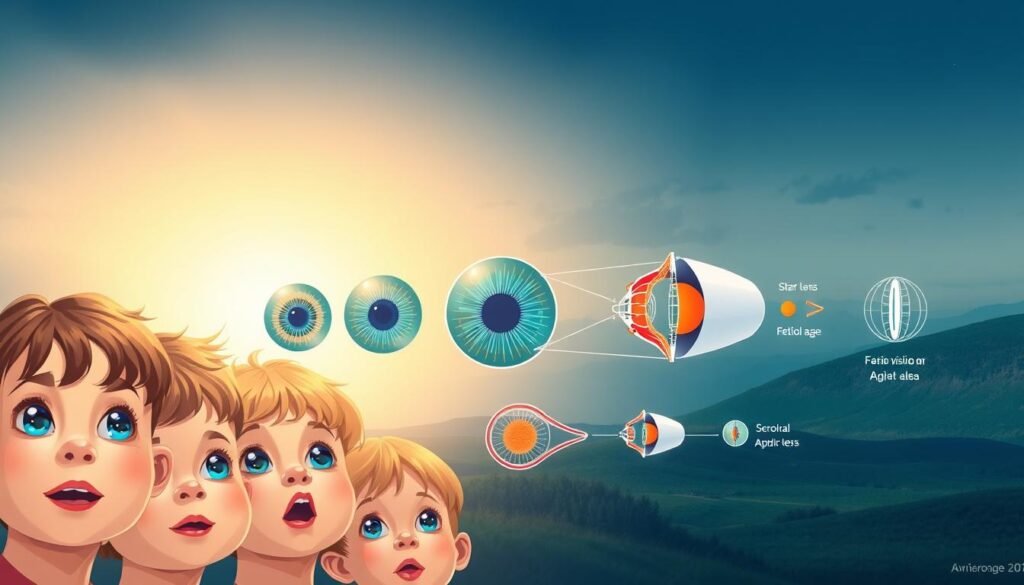
Understanding How Eyes Develop in Children
Children’s eyes change a lot from when they are babies to when they are teenagers. Their vision is complex and very sensitive.
Children’s eyes are still growing, making them more likely to get hurt from screens. Knowing when their vision is developing is key to protecting them from too much screen time.
Critical Vision Development Stages from Infancy to Teens
From birth to about age 8, kids’ vision grows fast. Their eyes learn to work together, and they see better. As they get older, their eyes keep getting better, and good vision is crucial for school and everyday life.
Critical developmental milestones include seeing colors, shapes, and details well. Any problems during these times can cause vision issues later on.
Why Children's Eyes Are More Vulnerable to Digital Damage
Children’s eyes are more at risk from screens because they are still growing. The lens and cornea are more sensitive in kids, making them more affected by blue light from screens.
Also, kids often stare at screens for a long time without taking breaks. This shows why proper eye care and screen time management are so important for them.
Kids and Mobiles: Eye Damage You Didn't See Coming
Kids using mobiles a lot worries us about eye damage. We need to know how screen time affects their eyes. It’s key to understand these risks for their eye health.
Short-Term Effects of Digital Eye Strain
Digital eye strain is a big worry for kids on screens a lot. It can mess with their daily life and make them uncomfortable.
Dry Eyes and Blurred Vision
Kids on screens for too long blink less. This makes their eyes dry and sore.
Headaches and Eye Fatigue
Too much screen time can cause headaches and tired eyes. Kids’ eyes work hard on digital stuff. This can lead to headaches and eye tiredness.
Long-Term Vision Concerns for Young Users
Short-term effects are bad, but long-term vision problems are worse. These could affect their vision for years.
Myopia Progression
Using digital devices a lot might make myopia worse in kids. Myopia can cause serious vision problems later.
Potential Retinal Damage
Blue light from screens might harm kids’ retinas. More research is needed, but it’s a serious worry.
The Psychological Impact of Eye Discomfort
Digital eye strain can make kids feel frustrated and irritable. It can make them dislike digital activities. This can hurt their learning and social life.
Knowing these risks helps us protect kids’ eye health. We can make sure they use digital devices safely.
The Science Behind Screen-Related Eye Damage
Today’s kids spend more time than ever in front of screens. It’s key to understand the science behind eye damage from screens. Parents and eye health experts worry about the risks of too much screen time for kids.
Blue light from devices like phones and computers is a big concern. This high-energy light can harm our eyes.
Blue Light Exposure and Its Effects on Developing Eyes
Blue light can be risky for kids’ eyes. It might cause eye strain, mess with sleep, and even lead to macular degeneration later in life. Kids’ eyes are more vulnerable because their lenses let more blue light through.
Some effects of blue light on kids’ eyes include:
Increased risk of digital eye strain
Disrupted sleep patterns due to suppressed melatonin production
Potential long-term risks to retinal health
Digital Eye Strain Mechanisms in Children vs. Adults
Kids and adults get eye strain from screens in different ways. Kids’ eyes are still growing and haven’t fully learned to focus. This makes them more prone to eye strain from screens.
Adults might get eye strain too, but their eyes are more resistant. Knowing these differences helps us find ways to reduce screen time risks.
Key differences between kids and adults include:
Developing vs. mature visual system
Differing levels of eye strain tolerance
Unique risk factors associated with age and device usage patterns
Warning Signs Your Child May Be Experiencing Digital Eye Strain
As we use digital devices more, it’s key to spot signs of digital eye strain in kids. This includes eye and vision problems from too much screen time. Knowing the signs helps prevent eye strain and encourages better digital habits in children.
Physical Symptoms to Watch For
Children with digital eye strain show physical signs. It’s important to notice these signs of eye discomfort.
Rubbing Eyes and Squinting
Eye rubbing is a common symptom. If your child rubs their eyes or squints while on screens, it might mean they’re strained. Encouraging regular breaks and adjusting screen settings can help.
Unusual Posture When Using Devices
Unusual posture is another sign. If your child holds their device too close or tilts their head, they might be strained. Proper device positioning is key to preventing eye strain.
Behavioral Changes That Signal Eye Problems
Digital eye strain can also change how children behave. Knowing these changes helps spot eye problems early.
Decreased Attention Span
If your child gets distracted easily or has trouble focusing, it might be eye strain. Too much screen time can reduce attention span, making it hard to concentrate.
Avoidance of Visual Activities
Watch for avoiding activities that need focused vision. If your child starts to avoid reading or puzzles, they might be uncomfortable. Encouraging a mix of digital and other activities helps.
By spotting these signs and acting early, we can prevent eye strain and promote healthy digital habits in kids. It’s crucial to be alert and address any eye issues quickly for their long-term eye health.
Practical Prevention Strategies for Parents
Parents can take steps to lower the risks of too much screen time for kids. Simple strategies can greatly help protect their eyes.
One good method is to make sure kids take breaks from screens. The 20-20-20 rule is easy. It means looking away from screens every 20 minutes for 20 seconds. This helps the eyes relax and reduces strain.
The 20-20-20 Rule and Other Rest Techniques
There are other ways to help too. Setting timers or using apps for breaks can be helpful. Also, telling kids to blink and look away from screens often can ease eye strain.
Proper Device Positioning and Environmental Lighting
How devices are set up and the room’s lighting are key for eye health. Devices should be at a good distance, and screens should be the right brightness to avoid glare. A well-lit room that’s not too bright or too dim also helps.
Encouraging Outdoor Activities for Eye Health
Outdoor play is good for both health and eyes. It helps balance screen time with other activities. This is important for kids’ eye health.
Nutrition and Hydration for Optimal Eye Function
Eating right is key for eye health. Foods with omega-3s, lutein, and zeaxanthin protect eyes. Drinking enough water is also important to keep eyes moist and healthy.
Nutrient
Benefit to Eye Health
Food Sources
Omega-3 Fatty Acids
Reduces inflammation
Salmon, walnuts, chia seeds
Lutein and Zeaxanthin
Protects against blue light damage
Leafy greens, eggs, corn
Vitamin A
Essential for the health of the retina
Carrots, sweet potatoes, liver
By using these strategies, parents can protect their kids’ eyes and reduce screen time risks.
Age-Appropriate Screen Time Guidelines
As we navigate the digital world with our kids, setting screen time limits is key for their eye health. The American Academy of Pediatrics suggests screen time limits based on age. This helps match screen time with their growth and needs.
Recommendations by Age Group
Knowing the right screen time for kids at different ages is vital for parents. Here are some guidelines:
Toddlers and Preschoolers
Children aged 2-5 should watch screens for only 1 hour a day. This should be high-quality educational shows. Parents should watch with them to help understand what they see.
Elementary School Children
Kids aged 6 and up need limits on screen time. It should not get in the way of physical activity, sleep, or other activities. Parents should make sure screen time is balanced with other parts of life.
Teenagers
Teenagers can have more flexible screen time, but it’s still important to watch. Parents should encourage good screen habits, like not using screens before bed.
Creating a Balanced Digital Diet
A balanced digital diet means setting screen time limits, encouraging physical activity, and other hobbies. A family media plan can help kids develop good screen habits.
Implementing Screen-Free Times and Zones
Setting screen-free times and zones at home can cut down on screen time. For example, making dinner tables or bedrooms screen-free can encourage better habits.
Age Group
Recommended Screen Time
Tips for Parents
Toddlers and Preschoolers (2-5 years)
1 hour/day
Co-view with children, choose high-quality educational content
Elementary School Children (6+ years)
Consistent limits
Ensure screen time doesn’t interfere with physical activity and sleep
Teenagers
Monitored screen time
Encourage healthy screen use habits, avoid screens before bedtime
Technology Solutions to Protect Young Eyes
As we explore the digital world, it’s key to find tech that protects kids’ vision. Digital devices are a big worry for kids’ eye health. Luckily, there are many tech solutions to help.
Blue Light Filters and Screen Protectors
Using blue light filters and screen protectors is a smart move. Blue light from screens can hurt eyes and cause strain. Filters can be applied to screens or in glasses, cutting down on this harmful light.
Many devices now have built-in blue light filters for kids. Screen protectors with this tech offer extra protection.
Apps and Device Settings for Eye Health
Apps and settings can help reduce eye strain. Apps remind users to follow the 20-20-20 rule. This rule helps prevent eye strain.
Devices also have settings to lower blue light, especially at night. Parents can use these to make viewing healthier for kids.
Child-Friendly Glasses and Eye Protection
Blue light blocking glasses are another good option. They’re comfy, stylish, and made for kids who use screens a lot. Some even have prescription lenses for vision correction.
Feature
Blue Light Blocking Glasses
Screen Protectors
Effectiveness
High
Medium
Ease of Use
Easy
Easy
Comfort
High
N/A
When to Consider Professional Eye Exams and Interventions
While tech helps, eye exams are also vital. Parents should get their kids’ eyes checked regularly. This ensures their vision stays healthy as they grow.
Conclusion: Balancing Technology and Eye Health
Mobile devices are a big part of our lives today. But, they can harm kids’ eyes if used too much. We need to protect our children’s eyes from the dangers of screens.
We’ve looked at how screens can hurt kids’ eyes and how to prevent it. Simple steps like following the 20-20-20 rule and making sure devices are at the right height can help. Also, getting kids outside more can reduce eye damage risks.
We must find a way to use technology wisely while keeping our kids’ eyes safe. Being aware of the risks and taking action can protect our children’s vision. Together, we can make sure kids and mobiles coexist safely.
FAQ
What are the risks associated with kids’ mobile device use?
Too much screen time can harm kids’ eyes. It can cause eye strain, make myopia worse, and even damage the retina. We must be careful to protect their eyes.
How can we prevent eye damage in children?
To prevent eye damage, follow the 20-20-20 rule. Make sure devices are at the right height. Encourage outdoor play and a diet full of eye-healthy foods.
What are the warning signs of digital eye strain in children?
Signs include rubbing eyes, squinting, and odd postures when using devices. Look for changes in behavior like less focus and avoiding eye tasks.
Are there any technology solutions to protect young eyes?
Yes, there are many tech solutions. These include blue light filters, screen protectors, and apps. There are also child-friendly glasses and eye protection options.
What are the recommended screen time guidelines for different age groups?
Screen time guidelines vary by age. Toddlers and preschoolers should have little screen time. School kids and teens can have more, but with breaks and screen-free times.
How can we create a balanced digital diet for our children?
Set limits on screen time and encourage outdoor play. Support other hobbies to reduce screen time. This helps keep their eyes healthy.
What role does nutrition play in maintaining optimal eye function?
A diet full of omega-3s, lutein, and zeaxanthin is key. It helps keep eyes working well and lowers eye problem risks.