April 12, 2025
As you age, the foods you eat play a significant role in your overall health and appearance. A well-balanced diet rich in essential nutrients can support your body’s natural aging process, promoting healthy skin and potentially reducing the visible signs of aging.
Consuming the right foods can make a significant difference in how you look and feel. Certain nutrient-dense foods are packed with antioxidants that combat free radicals, which can accelerate aging. By incorporating these foods into your diet, you can support your overall health and well-being.
Key Takeaways
- Discover how specific nutrients in certain foods can impact your skin’s appearance and overall aging process.
- Learn about the science behind how antioxidant-rich foods combat free radicals that accelerate aging.
- Understand the role of these foods in supporting collagen production, skin elasticity, and protection against environmental damage.
- Find out how incorporating these foods into your diet can support your skin health and overall well-being.
- Explore the potential benefits of these foods in reducing the risk of age-related diseases and improving energy levels.
Understanding the Connection Between Diet and Aging
Your dietary choices have a profound impact on the aging process, affecting both your internal health and external appearance. The food you consume provides your body with the necessary building blocks to maintain healthy skin, muscles, and organs. As you age, your body’s ability to repair and regenerate tissues slows down, making it even more crucial to fuel your body with the right nutrients.
How Food Affects the Aging Process
The aging process is influenced by various factors, including genetics, lifestyle, and diet. Foods rich in nutrients can help support your body’s natural processes, while a diet lacking essential nutrients can accelerate aging. For instance, consuming high amounts of processed foods and sugar can lead to inflammation, which damages your cells and accelerates the aging process.
| Nutrient | Food Source | Benefit |
|---|---|---|
| Antioxidants | Berries, Leafy Greens | Neutralize free radicals |
| Omega-3 Fatty Acids | Fatty Fish, Nuts | Reduce inflammation |
| Vitamin C | Citrus Fruits, Bell Peppers | Boost collagen production |
The Role of Antioxidants and Anti-Inflammatory Foods
Antioxidants play a crucial role in protecting your cells from damage caused by free radicals. Free radicals are unstable molecules that can cause oxidative stress, leading to cell damage and aging. Consuming foods rich in antioxidants, such as berries and leafy greens, can help neutralize free radicals and slow down the aging process. Additionally, anti-inflammatory foods like fatty fish and olive oil can help reduce inflammation, which is also linked to aging.
By incorporating these foods into your diet, you can help support your body’s natural processes and promote healthy aging. A well-balanced diet that includes a variety of whole foods can provide the necessary nutrients to keep your skin looking healthy and youthful.
The Science Behind Skin Aging
Understanding the science behind skin aging is crucial for maintaining a youthful appearance. As we age, our skin undergoes significant changes that can lead to visible signs of aging, such as wrinkles and sagging.
The process of skin aging is complex and influenced by various factors, including internal biological processes and external environmental factors like pollution and UV radiation. These factors contribute to the breakdown of essential proteins in the skin, leading to a loss of elasticity and firmness.
Free Radicals and Oxidative Damage
Free radicals, which are unstable molecules generated by metabolic processes, pollution, and UV radiation, play a significant role in skin aging. They cause oxidative damage by reacting with cellular components, leading to the degradation of collagen and elastin, proteins crucial for maintaining skin firmness and elasticity.
Collagen Production and Skin Elasticity
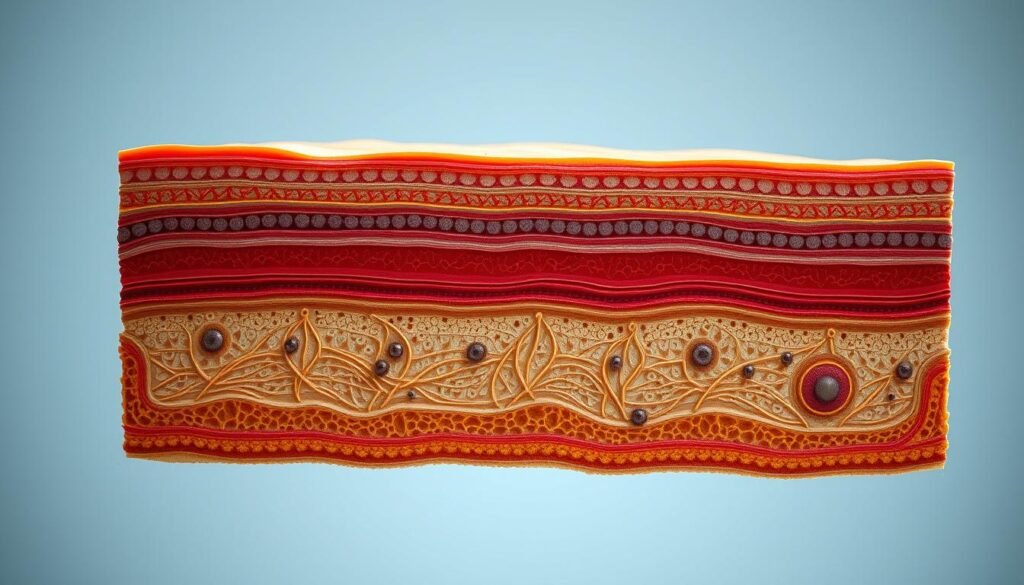
Collagen production naturally declines as we age, contributing to the visible signs of aging on the skin. Collagen is the body’s most abundant protein, essential for maintaining skin structure and elasticity. Consuming foods that support collagen synthesis can help maintain healthy skin for longer.
By understanding how free radicals and the decline in collagen production affect skin aging, you can take proactive steps to protect your skin through dietary choices and lifestyle adjustments.
Top 7 Anti-Aging Superfoods That Help You Look and Feel Younger
Incorporating the right foods into your diet can significantly impact your skin’s health and appearance. As you explore the world of anti-aging nutrition, you’ll discover that certain superfoods stand out for their exceptional benefits. Let’s dive into the top 7 anti-aging superfoods that can help you look and feel younger.
1. Fatty Fish: Omega-3 Powerhouse
Fatty fish are renowned for their high content of omega-3 fatty acids, particularly EPA and DHA. These essential fats play a crucial role in maintaining skin health and elasticity.
Benefits for Skin Health and Elasticity
Omega-3s help to nourish your skin from the inside out, supporting its structure and function. They also have anti-inflammatory properties, which can help reduce skin inflammation and promote healthier skin.
How Much to Consume and Best Types
To reap the benefits, aim to include fatty fish in your diet at least twice a week. Some of the best types include salmon, sardines, and mackerel. A serving size of about 3.5 ounces or 100 grams is a good starting point.
2. Avocados: Healthy Fats for Skin Hydration
Avocados are rich in healthy fats, particularly monounsaturated fats, which are beneficial for skin hydration and overall health.
Monounsaturated Fats and Skin Moisture
The monounsaturated fats in avocados help to keep your skin moisturized and supple. They also support the skin’s natural barrier function, protecting it from environmental stressors.
Creative Ways to Include Avocados in Your Diet
You can easily incorporate avocados into your meals by adding them to salads, blending them into smoothies, or using them as a healthy spread on whole-grain toast.
3. Berries: Antioxidant-Rich Skin Protectors
Berries are packed with antioxidants, including vitamins C and E, which play a vital role in protecting your skin from damage caused by free radicals.
How Berries Fight Skin Damage
The high antioxidant content in berries helps to neutralize free radicals, reducing oxidative stress and inflammation in the skin. This can lead to improved skin health and a more youthful appearance.
Best Varieties for Anti-Aging Benefits
Some of the best berry varieties for anti-aging include blueberries, strawberries, and raspberries. Enjoy them fresh, frozen, or dried to reap their benefits.
4. Extra Virgin Olive Oil: Anti-Inflammatory Skin Savior
Extra virgin olive oil is rich in polyphenols, which have potent anti-inflammatory properties that can benefit your skin.
Polyphenols and Skin Protection
The polyphenols in olive oil help protect your skin from environmental stressors and promote overall skin health. They also support the skin’s natural barrier function.
How to Choose and Use Quality Olive Oil
When selecting olive oil, look for high-quality, extra virgin varieties that are cold-pressed and have a high polyphenol content. Use it as a finishing oil for dishes or as a healthy alternative for cooking.
5. Green Tea: Catechin-Rich Wrinkle Fighter
Green tea is renowned for its high content of catechins, particularly EGCG, which has been shown to have anti-aging benefits for the skin.
EGCG and Skin Cell Renewal
EGCG in green tea can help promote skin cell renewal and improve skin elasticity. It also has anti-inflammatory properties that can soothe and protect the skin.
Optimal Consumption for Maximum Benefits
To maximize the benefits, aim to drink 2-3 cups of green tea per day. You can also apply green tea topically to your skin for additional benefits.
6. Tomatoes: Lycopene for Sun Protection
Tomatoes are rich in lycopene, an antioxidant that helps protect your skin from UV damage and promotes overall skin health.
UV Damage Prevention Properties
Lycopene in tomatoes can help reduce the risk of sunburn and protect your skin from UV-induced damage. This can lead to healthier, more resilient skin.
Cooked vs. Raw Tomato Benefits
Both cooked and raw tomatoes offer benefits, but cooking tomatoes can increase the bioavailability of lycopene. Enjoy tomatoes in a variety of dishes, from salads to sauces.
7. Dark Chocolate: Sweet Skin Rejuvenator
Dark chocolate is a rich source of flavanols, which have been shown to improve skin health and reduce signs of aging.
Flavanols and Skin Blood Flow
The flavanols in dark chocolate help to improve blood flow to the skin, boosting its health and appearance. They also have antioxidant properties that protect the skin from damage.
Choosing the Right Chocolate for Anti-Aging Benefits
To reap the benefits, choose dark chocolate with at least 70% cocoa solids and minimal added sugar. Enjoy it in moderation as part of a balanced diet.
Here’s a summary of the top 7 anti-aging superfoods and their benefits:
| Superfood | Key Benefits |
|---|---|
| Fatty Fish | Omega-3s for skin health and elasticity |
| Avocados | Healthy fats for skin hydration |
| Berries | Antioxidants for skin protection |
| Extra Virgin Olive Oil | Polyphenols for anti-inflammatory benefits |
| Green Tea | Catechins for skin cell renewal |
| Tomatoes | Lycopene for UV protection |
| Dark Chocolate | Flavanols for improved skin blood flow |
Creating an Anti-Aging Diet Plan
Incorporating the top 7 anti-aging superfoods into your diet is just the first step in creating a comprehensive anti-aging nutrition plan. A well-balanced diet that includes a variety of whole foods can help support overall health and wellness as you age.
Balancing Superfoods with Other Nutrients
To maximize the benefits of anti-aging superfoods, it’s essential to balance them with other essential nutrients. This includes consuming healthy sources of protein, healthy fats, and complex carbohydrates. Protein plays a crucial role in supporting collagen production and muscle maintenance, which can help reduce the visible signs of aging. Healthy fats, such as those found in avocados and olive oil, support skin hydration and overall health.
Complex carbohydrates like oats are rich in fiber and have a low glycemic index, which means they won’t cause a spike in blood sugar levels. According to New York dermatologist Debra Jaliman, MD, “High-glycemic foods are known to cause acne and wrinkles.” Therefore, incorporating low-glycemic foods into your diet can help support skin health.
A balanced diet should also include a variety of antioxidant-rich foods to help protect against oxidative stress and inflammation. This can be achieved by consuming a range of fruits, vegetables, and whole grains.
Sample Meal Ideas Incorporating Anti-Aging Foods
To make it easier to incorporate anti-aging superfoods into your diet, here are some sample meal ideas. For breakfast, you could try having oatmeal with berries and walnuts, or scrambled eggs with spinach and avocado. For lunch, a salad with mixed greens, grilled salmon, and olive oil dressing is a great option.
For dinner, you could have grilled chicken with roasted vegetables and quinoa, or a stir-fry with tofu, mixed vegetables, and brown rice. Snacks can include fruits like berries and apples, or a handful of nuts and seeds.
These meal ideas can be adapted to suit different dietary preferences, including vegetarian, vegan, and gluten-free options. By incorporating these anti-aging superfoods into your diet and balancing them with other essential nutrients, you can support overall health and wellness as you age.
Beyond Diet: Complementary Anti-Aging Strategies
Beyond the plate, several complementary strategies can enhance the anti-aging benefits of your diet. While incorporating anti-aging superfoods is crucial, other lifestyle factors play a significant role in maintaining youthful skin and overall health.
Hydration and Skin Health
Proper hydration is essential for skin health, working synergistically with anti-aging foods to keep your skin plump, smooth, and youthful-looking. Water plays a critical role in transporting nutrients to your skin cells and removing waste products, thereby enhancing the benefits of your anti-aging diet. Drinking enough water throughout the day is vital for maintaining hydration and supporting the skin’s natural barrier function.
Sleep Quality and Cell Regeneration
Quality sleep is another critical factor in the anti-aging process. During sleep, your body undergoes various restorative processes, including cell regeneration and repair. Poor sleep quality can lead to increased stress hormones, which may accelerate aging and undermine the benefits of even the best anti-aging diet. Ensuring you get adequate, restful sleep is essential for supporting your skin’s health and overall well-being.
Sun Protection and Anti-Aging Foods
Sun protection is vital for preventing premature aging caused by UV exposure. While certain foods can enhance your skin’s natural SPF and help repair sun damage, they should not replace sunscreen. Using broad-spectrum sunscreen daily, along with wearing protective clothing and seeking shade, complements the internal protection provided by antioxidant-rich foods and supports overall skin health.
Foods to Avoid for Younger-Looking Skin
While incorporating anti-aging superfoods into your diet is vital, it’s equally important to be aware of the foods that can accelerate skin aging. Consuming certain foods can lead to inflammation, glycation, and other processes that harm your skin, counteracting the benefits of anti-aging superfoods.
Sugar and Advanced Glycation End Products
High sugar foods can significantly contribute to the signs of aging, such as fine lines and wrinkles. The process of glycation occurs when excess sugar in your bloodstream attaches to proteins like collagen, forming harmful compounds called Advanced Glycation End Products (AGEs). These AGEs make your skin’s collagen and elastin fibers stiff and malformed, leading to wrinkles and sagging.
Hidden sources of sugar in your diet can be particularly problematic. Many processed foods contain added sugars that can accelerate skin aging. By being aware of these hidden sources, you can make informed choices to reduce your sugar intake.
Processed Foods and Inflammatory Response
Highly processed foods can trigger inflammation throughout your body, including your skin, leading to premature aging and other skin problems. Refined carbohydrates, trans fats, and artificial additives in these foods can undermine the benefits of anti-aging superfoods.
| Foods to Avoid | Why They’re Harmful | Healthier Alternatives |
|---|---|---|
| Sugary Snacks | Contribute to glycation and AGE formation | Fruits, Nuts |
| Processed Meats | Trigger inflammation and contain preservatives | Lean Proteins, Vegetarian Options |
| Refined Carbohydrates | Cause inflammation and spike blood sugar | Whole Grains, Vegetables |
By gradually reducing your consumption of inflammatory foods and replacing them with healthier alternatives, you can make your anti-aging diet more sustainable in the long term. This balanced approach will help you maintain youthful skin and overall health.
Conclusion
As you incorporate the top 7 anti-aging superfoods into your diet, you’ll be taking a significant step towards maintaining a youthful appearance and overall health.
These foods, rich in antioxidants, protein, and healthy fats, work synergistically to combat various aspects of skin aging.
By making these superfoods a regular part of your diet, you’ll not only support your skin’s health but also contribute to your overall nutrition and potentially reduce the risk of age-related diseases like heart disease and cancer.
To maximize the benefits, it’s essential to adopt a holistic approach that includes a balanced diet, proper hydration, adequate sleep, sun protection, and regular exercise.
View these dietary changes as investments in your long-term health, rather than just focusing on cosmetic benefits.
Start by gradually incorporating these superfoods into your meals in sustainable ways.
While no food can completely halt the natural aging process, these nutrient-dense foods can help you age more gracefully and maintain your vitality.
Enjoy the journey of nourishing your body with these delicious anti-aging foods.
## FAQ
### Q: What are the best foods to eat for anti-aging benefits?
A: Incorporating foods rich in antioxidants, omega-3 fatty acids, and vitamins can be beneficial. Some examples include fatty fish, avocados, berries, and green tea, which can help protect your skin from damage and promote overall health.
### Q: How does sugar affect the aging process?
A: Consuming high amounts of sugar can lead to the formation of advanced glycation end products (AGEs), which can cause inflammation and oxidative stress, accelerating the aging process and potentially leading to wrinkles and age-related diseases.
### Q: Can certain foods really improve skin elasticity?
A: Yes, certain nutrients found in foods like vitamin C in berries and citrus fruits can help boost collagen production, improving skin elasticity and reducing the appearance of fine lines and wrinkles.
### Q: Are there any specific foods that can help protect against sun damage?
A: Tomatoes are rich in lycopene, an antioxidant that can help protect your skin from sun damage and reduce the risk of skin cancer. Other foods like green tea and olive oil also have protective properties.
### Q: How can I incorporate anti-aging foods into my diet?
A: Start by adding a variety of colorful vegetables and fruits to your meals, and include sources of healthy fats like avocados and nuts. Fatty fish and green tea can also be great additions to your diet.
### Q: Can an anti-aging diet plan really make a difference in how I look and feel?
A: A well-balanced diet rich in anti-aging foods, combined with other healthy lifestyle choices like regular exercise, adequate hydration, and sufficient sleep, can contribute to a more youthful appearance and improved overall health.
### Q: Are there any foods I should avoid to prevent premature aging?
A: Yes, it’s a good idea to limit or avoid foods that can cause inflammation and oxidative stress, such as processed and high-sugar foods, to help maintain healthier, younger-looking skin.