April 11, 2025
Ever looked in the mirror and wondered why some people seem to defy time while others age rapidly? It’s not just luck—it’s science. Your body’s clock ticks through cumulative cellular damage. But here’s the kicker: up to 50% of aging processes are within your control. That means you hold more power over your vitality than you might think.
Groundbreaking NIH research reveals aging isn’t a one-way street. Scientists now measure biological age—how worn your cells actually are—separately from birthdays. Columbia University’s “Life’s Essential 8” study shows simple lifestyle tweaks can shave 5+ years off your biological age. Imagine waking up feeling younger than your calendar says!
This isn’t about magic pills or extreme measures. It’s about daily choices that add up: nutrient-packed meals, stress-busting habits, and movement that sparks joy. The best part? These changes work at any age. Whether you’re 35 or 75, your cells respond to how you treat them.
Key Takeaways
- Aging stems from cellular wear, not just time passing
- Biological age differs from chronological age
- Lifestyle impacts over half of aging factors
- Science-backed methods can reverse cellular aging
- Small daily changes create significant long-term results
Understanding the Science Behind Aging
What if you could slow down time at a cellular level? The truth about aging starts with three hidden processes working overtime in your body. These biological mechanisms – telomere shortening, oxidative stress, and chronic inflammation – act like invisible hourglasses determining how fast your cells wear out. Let’s break down how they operate and why they matter for your long-term health.
Cellular Clockwork: Telomeres and DNA Damage
Your chromosomes have protective caps called telomeres – think of them like the plastic tips on shoelaces. Every time your cells divide, these caps get shorter. When they become too worn down, cells can’t replicate properly, leading to what scientists call “cellular aging.” NIH research using the DunedinPACE algorithm shows this process accelerates in people with chronic stress or poor metabolic health.
But here’s the hopeful part: Lifestyle choices directly impact telomere length. A 2023 study found people who exercised regularly had telomeres comparable to someone nine years younger. Your daily habits literally rewrite your cellular expiration date.
Free Radical Fallout: Oxidative Stress Explained
Imagine tiny sparks damaging your cells’ power plants. That’s what happens with oxidative stress. Unstable molecules called free radicals attack mitochondria (your energy generators) and collagen (your skin’s support structure). Over time, this molecular mayhem leads to wrinkles, stiff joints, and even heart disease.
Your body naturally fights back with antioxidants, but modern life tilts the scales. Pollution, processed foods, and even intense workouts increase free radical production. The truth about aging? You’re not just battling time – you’re counteracting 21st-century living.
Inflammation's Silent Role in Aging
Your immune system has a dark side when it never fully powers down. Chronic low-grade inflammation – nicknamed “inflammaging” – slowly damages tissues and organs. Dr. Tony Wyss-Coray’s groundbreaking plasma protein research shows this process accelerates brain aging by 30% in some adults, increasing Alzheimer’s risk.
This silent fire in your body doesn’t cause obvious symptoms until damage accumulates. The good news? Simple changes like eating omega-3 rich foods or managing stress can cool inflammation. You’re not just preventing disease – you’re preserving your biological youth.
The Truth About Aging: 5 Natural Slow-Down Strategies
Aging is a natural part of life, but how fast we age is not fixed. Research shows simple lifestyle changes can add years to your life. Let’s look at five ways to age gracefully, like fine wine.
1. Eat Your Way Younger (Anti-Aging Diet Plan)
Your diet is key to fighting aging. The CALERIE study found eating 12.5% fewer calories can activate repair genes. You don’t need to starve to benefit. Here are some science-backed tips:
- Telomere-protecting trio: Blueberries (anthocyanins), walnuts (omega-3s), and spinach (folate) shield DNA ends
- Time-restricted eating: Columbia University’s “Essential 8” suggests 10-hour eating windows
“Participants following Mediterranean-style meal plans showed 20% longer telomeres than fast-food consumers.”
Top 3 Daily Meal Blueprints
| Meal | Option A | Option B |
|---|---|---|
| Breakfast | Greek yogurt + mixed berries | Avocado egg toast |
| Lunch | Kale salad with salmon | Lentil vegetable soup |
| Dinner | Turmeric chicken stir-fry | Walnut-crusted cod |
2. Move Like Your Ancestors (Exercise Protocol)
NIH scientists say exercise is like a fountain of youth. Here’s how to get the most out of it:
- 20-minute power sessions: Alternate 30-second sprints with 90-second walks
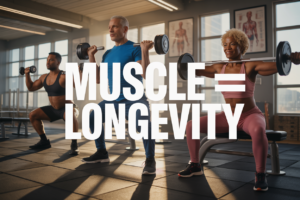
- Strength first: Lift weights 3x weekly – muscle mass predicts longevity
Workout Showdown: Cardio vs Weights
Running is good for the heart, but weights fight muscle loss. Solution: Mix both! Try this weekly routine:
- Monday: 15-min HIIT + bodyweight exercises
- Wednesday: 30-min brisk walk + yoga
- Friday: Full-body strength circuit
3. Sleep Your Way to Youthfulness
Columbia University research shows 7–9 hours of sleep resets your body clock. Create a sleep routine:
- Dim lights 90 minutes before bed
- Keep bedroom at 65°F – cooler temps boost melatonin
Bedtime Cell Repair Ritual
- 7 PM: Finish eating
- 8 PM: Warm bath with Epsom salts
- 9 PM: Read physical book (no screens!)
4. Stress Less, Live Longer
Chronic stress ages you fast. Fight cortisol spikes with:
- 4-7-8 breathing: Inhale 4s, hold 7s, exhale 8s
- Adaptogen allies: Ashwagandha cuts stress hormones by 28% (Journal of Psychopharmacology)
5. Skin Deep Protection
Your skin reflects your health. Ditch harsh chemicals for:
- Olive oil moisturizer: Mix 2 tbsp oil + 1 tsp honey
- Smart sun habits: Use zinc oxide sunscreen on face daily
Vitamin D Hack
Get 10–15 minutes of morning sun on arms/legs before applying SPF. This balances UV protection with vitamin D synthesis.
Daily Habits That Accelerate Aging
Could your daily routine be secretly aging you? While genetics play a role, research shows common habits quietly chip away at your body’s resilience. Let’s uncover the truth about aging accelerators hiding in plain sight.
The Hidden Dangers in Your Routine
Your bathroom cabinet might hold surprising threats. Sulfates in shampoos strip natural oils, damaging your skin’s protective barrier according to dermatology studies. Processed meats contain advanced glycation end products (AGEs) that trigger inflammation – a key driver of cellular aging.
Common products that age you faster
- Alcohol-based mouthwashes (dries oral tissues)
- Scented candles with paraffin wax (releases lung-irritating particles)
- Non-stick cookware at high heat (releases aging-promoting fumes)
Modern Life Traps to Avoid

Late-night screen sessions do more than strain your eyes. Mount Sinai researchers found blue light exposure reduces melatonin production by 58% in adults, disrupting sleep cycles. This is key for cellular repair. Columbia University data links two+ hours of pre-bed screen time to:
How blue light and screens impact longevity
- Accelerated retinal aging
- Increased cortisol levels
- Reduced deep sleep phases
Simple changes make a difference: swap evening scrolling for amber-light reading lamps, and choose sulfate-free hair products. Your future self will thank you for these protective tweaks.
Tracking Your Progress
Figuring out if your anti-aging plans are working isn’t just a guess. Today, science gives us real ways to check how old our bodies are and see how they change. Let’s look at tools that show exactly how your body reacts to lifestyle changes.
Biological Age Tests That Actually Work
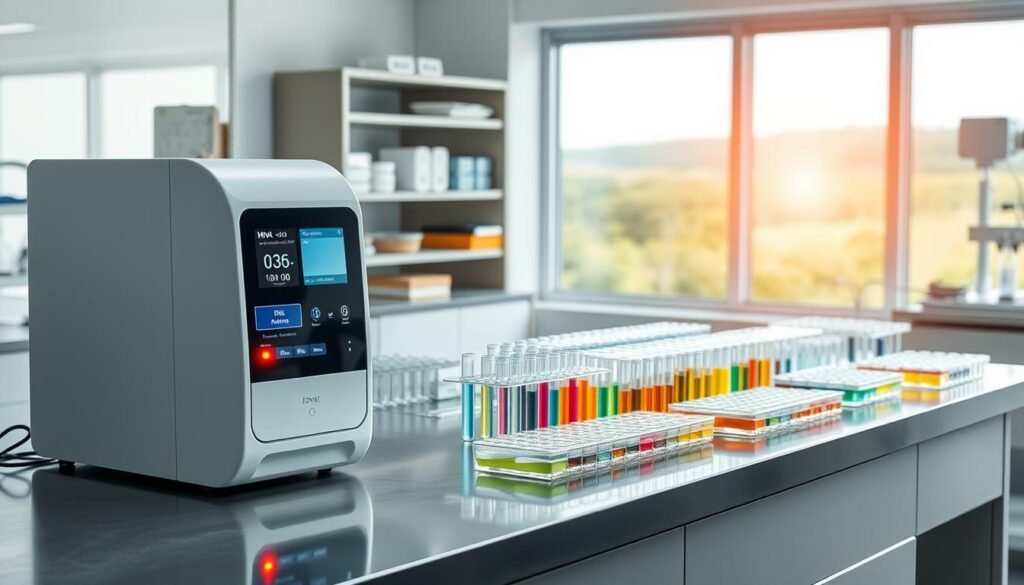
There are two main aging tests: at-home kits and lab tests. DIY telomere length tests ($150–$300) check saliva but aren’t very accurate. For better results, epigenetic exams like DunedinPACE look at DNA changes linked to aging. The Wyss-Coray team at Stanford goes even deeper with tests that show which body parts age the fastest.
| Test Type | Cost | Accuracy | Best For |
|---|---|---|---|
| At-Home Telomere | $150 | Moderate | Basic screening |
| Epigenetic (Clinical) | $500+ | High | Detailed analysis |
| Organ-Specific Panels | $1,200+ | Very High | Targeted prevention |
Measuring Success Beyond the Mirror
Skin changes are just part of the story. Blood tests every year can show more:
- HDL cholesterol: Higher levels protect arteries
- Fasting glucose: Predicts metabolic health
- CRP inflammation: Lower is better for longevity
“If your biomarkers suggest rapid aging, consider early cancer screenings. Prevention beats treatment every time.”
Conclusion
The truth about aging shows that nearly half of how we age is up to us. Yale research found that a positive mindset and good habits can slow down aging. Dr. Luigi Ferrucci of the NIH says, “The magic pill is already here—it’s called exercise.” But exercise alone isn’t enough.
Adding nutrient-rich meals, managing stress, and getting quality sleep also helps. These actions can reset your biological clock.
Columbia University scientists found that small changes can make a big difference. Choosing stairs over elevators or eating berries instead of processed snacks can add up. Their study showed that consistent small changes can reverse biological age by 3–5 years.
Your skin, energy, and long-term health show the impact of these choices every day.
Remember, the truth about aging isn’t about stopping time. It’s about taking control of what you can. Start with one change from this guide and track your progress. Your future self will thank you for every healthy choice you make today.
FAQ
Is aging really reversible?
Yes! Research from Columbia University shows that changing your lifestyle can make you younger. Eating right, exercising, and managing stress can cut your biological age by 5+ years. The NIH’s DunedinPACE algorithm shows that your daily choices can speed up or slow down aging.
How do telomeres affect aging?
Telomeres protect our DNA and get shorter as we age. This can lead to more cell damage. NIH studies show that eating foods like blueberries and walnuts can help keep telomeres long. But, stress can make them shorten faster.
Clinical tests can measure how long your telomeres are.
What’s the best anti-aging diet?
The NIH recommends a diet with a 250-calorie deficit. Include foods that support telomeres like leafy greens, walnuts, and berries. Avoid processed meats because they can cause inflammation, leading to wrinkles and Alzheimer’s, according to Mount Sinai research.
Can exercise really slow aging?
Yes. The NIH says that HIIT workouts and resistance training are great for slowing aging. Dr. Luigi Ferrucci, a gerontologist at NIH, calls exercise the “fountain of youth.” Aim for 150 minutes of exercise each week.
Which skincare ingredients fight aging best?
Use olive oil-based moisturizers to strengthen your skin. Choose zinc oxide sunscreens like Badger or Blue Lizard for UV protection without blocking vitamin D. Avoid sulfates in shampoos because they can damage skin proteins.
What daily habits accelerate aging?
Late-night screen time can disrupt melatonin production. Processed meats and poor sleep under 7 hours also speed up aging. Yale studies show that disrupted circadian rhythms can age cells 30% faster. Use blue light blockers like Ocushield after sunset.
How do I track biological age accurately?
DIY telomere tests can give basic insights, but clinical epigenetic exams like DunedinPACE are more accurate. Track HDL cholesterol, fasting glucose, and CRP inflammation markers yearly. Dr. Daniel Belsky suggests early cancer screenings if tests show rapid aging.
Why does inflammation age us?
Stanford’s Dr. Tony Wyss-Coray found that chronic low-grade inflammation, or “inflammaging,” can harm the immune system. This can lead to Alzheimer’s and arthritis. Omega-3s, stress reduction, and ashwagandha supplements can help lower cortisol by 28%.