
March 7, 2025
Are you tired of feeling sluggish, battling weight issues, or struggling with your overall health? The secret to unlocking your body’s full potential might be simpler than you think: a balanced diet. 🍎🥦🍗
In a world filled with fad diets and conflicting nutritional advice, understanding what truly constitutes a balanced diet can feel like navigating a maze. But fear not! This comprehensive guide will demystify the concept of a balanced diet, helping you make informed choices about your nutrition. From essential macronutrients to vital micronutrients, we’ll explore the building blocks of a healthy eating plan that can transform your life.
Join us as we delve into the world of balanced nutrition, uncovering common mistakes, learning how to tailor your diet to your unique needs, and discovering practical ways to incorporate balanced eating into your daily routine. Whether you’re aiming for weight management or simply want to feel your best, this journey through the fundamentals of a balanced diet will equip you with the knowledge you need to take control of your health. Let’s dive in and explore the eight key aspects of a balanced diet that can revolutionize your approach to eating! 🥗💪
Understanding Balanced Diet
A. Definition and importance
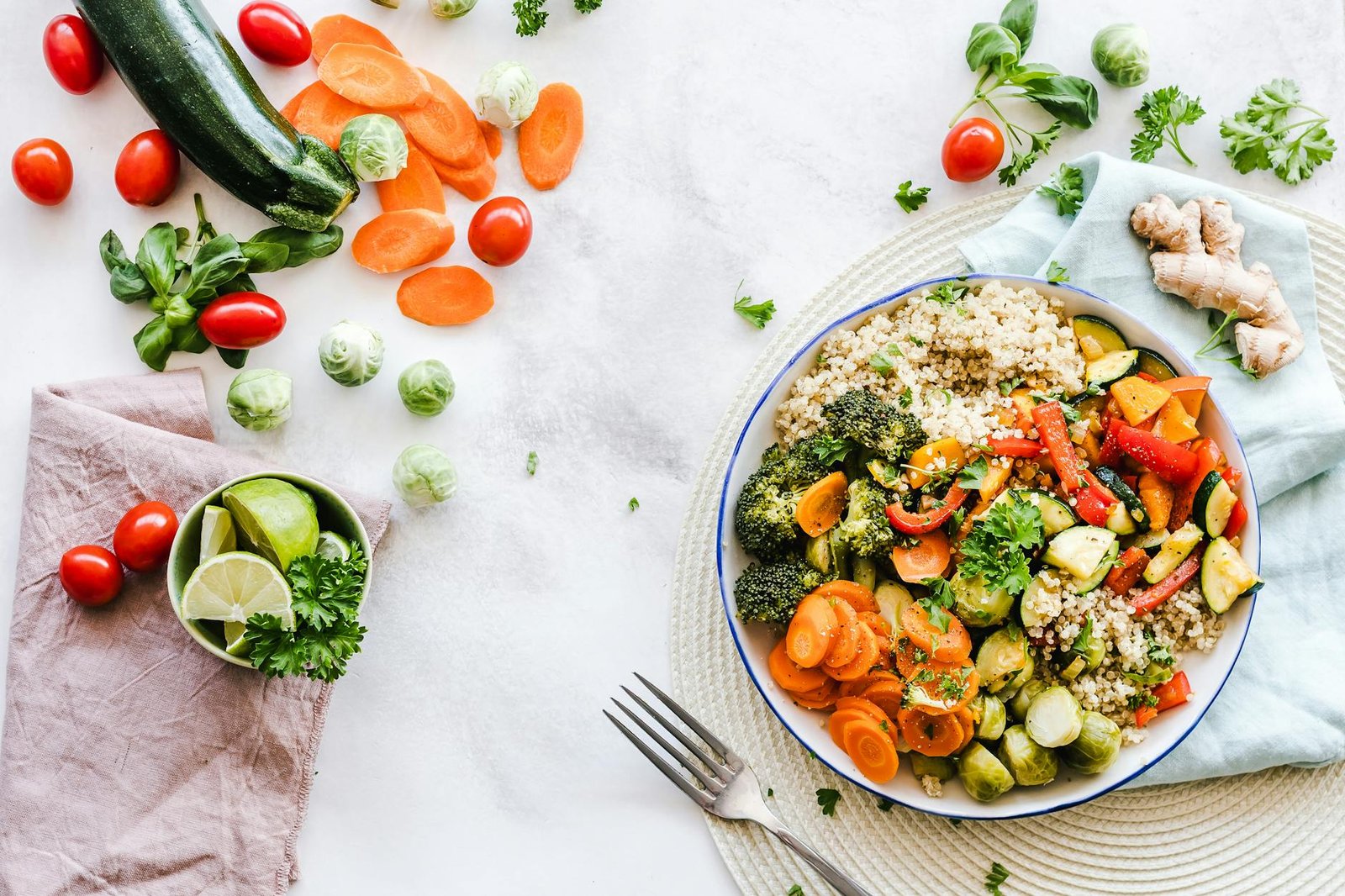
A balanced diet is a nutritional approach that provides your body with all the essential nutrients it needs to function optimally. It involves consuming a variety of foods in the right proportions to maintain good health and well-being. The importance of a balanced diet cannot be overstated, as it forms the foundation for overall health, disease prevention, and longevity.
B. Key components of a balanced diet
A balanced diet comprises several key components that work together to support your body’s various functions:
- Carbohydrates
- Proteins
- Fats
- Vitamins
- Minerals
- Water
| Component | Function | Examples |
|---|---|---|
| Carbohydrates | Energy source | Whole grains, fruits, vegetables |
| Proteins | Tissue building and repair | Lean meats, fish, legumes |
| Fats | Energy storage, hormone production | Avocados, nuts, olive oil |
| Vitamins | Various metabolic processes | Citrus fruits, leafy greens |
| Minerals | Structural and regulatory functions | Dairy products, nuts, seeds |
| Water | Hydration, temperature regulation | Water, herbal teas |
C. Benefits for overall health
Adopting a balanced diet offers numerous benefits for your overall health:
- Improved energy levels and mental clarity
- Enhanced immune system function
- Better weight management
- Reduced risk of chronic diseases
- Improved digestive health
- Stronger bones and muscles
- Better sleep quality
- Enhanced mood and emotional well-being
By understanding the concept of a balanced diet and its key components, you can make informed choices about your nutrition. Now that we’ve covered the basics, let’s explore the essential macronutrients that form the core of a balanced diet.
Essential Macronutrients
Proteins: Building blocks for the body
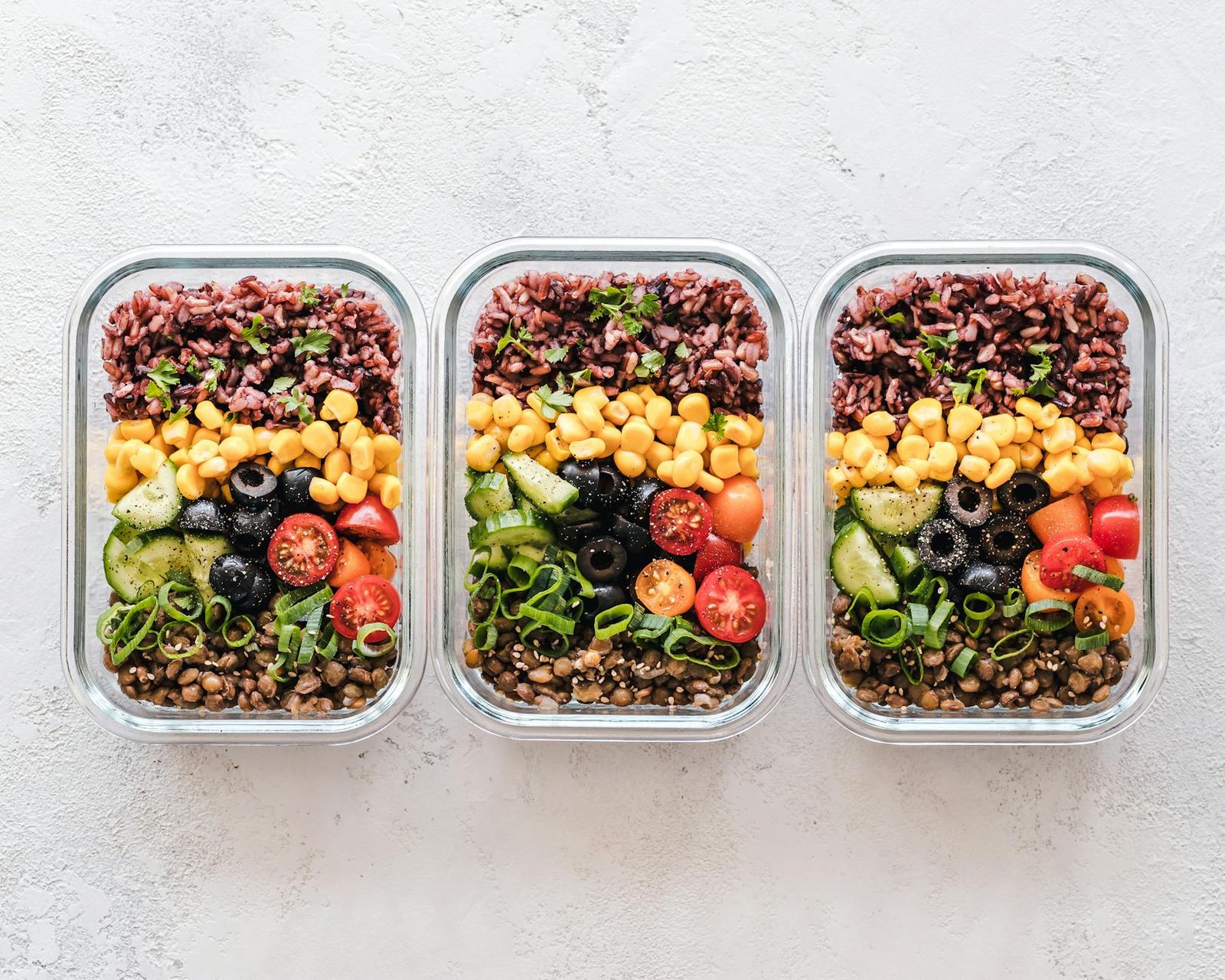
Proteins are essential macronutrients that play a crucial role in a balanced diet. They are the building blocks of our body, responsible for tissue repair, enzyme production, and hormone regulation. Here’s a breakdown of protein sources:
- Animal-based: Meat, fish, eggs, dairy
- Plant-based: Legumes, nuts, seeds, whole grains
Carbohydrates: Energy providers
Carbohydrates are the body’s primary source of energy. They come in two main forms:
- Simple carbohydrates: Quick energy release
- Complex carbohydrates: Slow, sustained energy release
Fats: Necessary for vital functions
Contrary to popular belief, fats are an essential part of a balanced diet. They support hormone production, nutrient absorption, and brain function. Types of fats include:
- Saturated fats
- Unsaturated fats (monounsaturated and polyunsaturated)
- Trans fats (best avoided)
Recommended daily intake
The recommended daily intake of macronutrients varies based on factors like age, gender, and activity level. Here’s a general guideline:
| Macronutrient | Percentage of daily calories |
|---|---|
| Proteins | 10-35% |
| Carbohydrates | 45-65% |
| Fats | 20-35% |
Balancing these macronutrients is key to maintaining a healthy diet. Remember, the quality of these nutrients is just as important as the quantity. Choose whole, unprocessed foods whenever possible to maximize the nutritional benefits of your balanced diet.
Vital Micronutrients

Vitamins: Types and their roles
Vitamins play a crucial role in maintaining a balanced diet. They are essential micronutrients that our bodies need in small amounts to function properly. Here’s a breakdown of the main vitamin types and their roles:
| Vitamin | Role in the body |
|---|---|
| A | Vision, immune function, skin health |
| B complex | Energy metabolism, nervous system function |
| C | Antioxidant, collagen production, immune support |
| D | Bone health, immune function, mood regulation |
| E | Antioxidant, skin health, immune function |
| K | Blood clotting, bone health |
Minerals: Essential for bodily functions
Minerals are inorganic elements that are vital for various bodily functions. A balanced diet should include adequate amounts of these essential minerals:
- Calcium: Bone and teeth health, muscle function
- Iron: Oxygen transport in blood, energy production
- Magnesium: Muscle and nerve function, bone health
- Zinc: Immune function, wound healing, protein synthesis
- Potassium: Heart function, muscle contraction, fluid balance
Antioxidants: Protecting cells from damage
Antioxidants are compounds that protect our cells from damage caused by free radicals. They play a significant role in preventing chronic diseases and promoting overall health. Some key antioxidants include:
- Vitamin C
- Vitamin E
- Beta-carotene
- Selenium
- Flavonoids
To ensure you’re getting a wide range of micronutrients in your balanced diet, focus on consuming a variety of colorful fruits and vegetables, whole grains, lean proteins, and healthy fats. By incorporating these essential micronutrients into your daily meals, you’ll be taking a significant step towards optimal health and well-being. Next, we’ll explore how to create a balanced meal plan that incorporates all these vital nutrients.
Creating a Balanced Meal Plan

Portion control basics
Portion control is a crucial aspect of a balanced diet. To maintain proper portion sizes:
- Use smaller plates and bowls
- Measure foods with kitchen tools
- Learn to estimate serving sizes visually
Here’s a quick guide for estimating portions:
| Food Group | Portion Size | Visual Comparison |
|---|---|---|
| Proteins | 3-4 oz | Deck of cards |
| Grains | 1/2 cup | Tennis ball |
| Vegetables | 1 cup | Baseball |
| Fruits | 1 medium | Light bulb |
Balancing food groups on your plate
The plate method is an effective way to ensure balanced meals:
- Fill half your plate with vegetables and fruits
- Reserve one-quarter for lean proteins
- Use the remaining quarter for whole grains
- Add a small serving of healthy fats
Meal timing and frequency
Distribute your calorie intake throughout the day:
- Eat 3 main meals and 2-3 small snacks
- Space meals 3-4 hours apart
- Don’t skip breakfast
- Avoid late-night eating
Hydration importance
Proper hydration is essential for a balanced diet:
- Aim for 8-10 glasses of water daily
- Include water-rich foods like cucumbers and watermelon
- Limit sugary drinks and alcohol
- Monitor urine color (pale yellow indicates good hydration)
Remember, creating a balanced meal plan involves careful consideration of portion sizes, food group distribution, meal timing, and hydration. By following these guidelines, you’ll be well on your way to maintaining a healthy, balanced diet.
Common Balanced Diet Mistakes
Overlooking hidden calories
Many people unknowingly sabotage their balanced diet efforts by overlooking hidden calories. These sneaky calorie sources can quickly derail your nutritional goals. Here’s a table highlighting common culprits:
| Food Item | Hidden Calorie Source | Approximate Calories |
|---|---|---|
| Salad | Dressing | 100-200 per serving |
| Coffee | Cream and sugar | 50-100 per cup |
| Smoothies | Added sweeteners | 100-300 per serving |
To maintain a truly balanced diet, be mindful of these hidden calories and opt for healthier alternatives when possible.
Neglecting certain food groups
Another common mistake is neglecting important food groups. A balanced diet requires a variety of nutrients from different sources. Here are some often-overlooked food groups:
- Whole grains
- Legumes
- Healthy fats
- Leafy greens
Incorporating these into your daily meals ensures a well-rounded nutritional profile and supports overall health.
Falling for fad diets
Fad diets often promise quick results but can be detrimental to achieving a truly balanced diet. These diets typically:
- Eliminate entire food groups
- Promote extreme calorie restriction
- Lack scientific backing
- Are unsustainable in the long term
Instead of falling for these trendy diets, focus on creating a sustainable, balanced eating plan that includes a variety of nutrient-dense foods. Remember, a balanced diet is about long-term health, not quick fixes.
Now that we’ve identified common balanced diet mistakes, let’s explore how to tailor your diet to your specific needs and lifestyle.
Tailoring Your Balanced Diet

Considering age and gender
Age and gender play crucial roles in tailoring a balanced diet. Nutritional needs vary significantly across different life stages and between males and females. For instance, growing children require more calcium and protein for bone and muscle development, while older adults may need increased vitamin D and B12 intake.
| Age Group | Key Nutritional Focus |
|---|---|
| Children | Calcium, Protein, Iron |
| Teenagers | Iron, Vitamin D, Zinc |
| Adults | Fiber, Omega-3, Folate |
| Seniors | Vitamin B12, Vitamin D |
Gender-specific needs are equally important. Women of childbearing age typically require more iron and folate, especially during pregnancy. Men, on the other hand, often need more calories and protein due to higher muscle mass.
Adjusting for activity level
Your balanced diet should align with your physical activity level. Here’s a general guide:
- Sedentary: Focus on portion control and nutrient-dense foods
- Moderately active: Increase complex carbohydrates and lean proteins
- Highly active: Higher calorie intake, more proteins, and complex carbohydrates
For athletes or those engaged in intense physical activities, special attention to hydration and electrolyte balance is crucial.
Accommodating dietary restrictions
Tailoring a balanced diet becomes even more critical when dealing with dietary restrictions. Whether due to allergies, intolerances, or personal choices, it’s essential to find suitable alternatives that maintain nutritional balance. For example:
- Lactose intolerance: Opt for calcium-fortified plant-based milk
- Gluten sensitivity: Choose gluten-free grains like quinoa or rice
- Vegetarian/Vegan: Ensure adequate protein intake through legumes, nuts, and plant-based proteins
Remember, a balanced diet is not one-size-fits-all. It’s about finding the right combination that works for your unique needs and lifestyle while ensuring you get all essential nutrients.
Balanced Diet for Weight Management

Calorie balance explained
Calorie balance is the cornerstone of weight management in a balanced diet. It’s the relationship between the calories you consume and those you burn. To maintain weight, aim for equilibrium; for weight loss, create a deficit; for weight gain, a surplus. Here’s a simple breakdown:
| Calorie Balance | Calories In | Calories Out | Result |
|---|---|---|---|
| Maintenance | Equal | Equal | Stable weight |
| Weight Loss | Less | More | Weight decrease |
| Weight Gain | More | Less | Weight increase |
Nutrient-dense vs. calorie-dense foods
When focusing on weight management, prioritize nutrient-dense foods over calorie-dense options. Nutrient-dense foods offer more nutritional value per calorie, supporting overall health while managing weight. Here’s a comparison:
-
Nutrient-dense foods:
- Leafy greens
- Berries
- Lean proteins
- Whole grains
-
Calorie-dense foods:
- Processed snacks
- Sugary drinks
- Fried foods
- Desserts
Sustainable weight loss strategies
Adopting sustainable strategies is crucial for long-term success in weight management. A balanced diet approach ensures you’re not just losing weight, but doing so healthily and sustainably. Consider these key points:
- Gradual changes: Implement small, consistent modifications to your diet
- Regular meals: Eat at consistent times to regulate metabolism
- Portion control: Use smaller plates and practice mindful eating
- Balanced macronutrients: Include proteins, carbs, and healthy fats in each meal
- Stay hydrated: Drink water throughout the day to support metabolism and satiety
By focusing on these aspects of a balanced diet, you can achieve and maintain a healthy weight while nourishing your body effectively.
Incorporating Balanced Diet in Daily Life
Smart grocery shopping tips
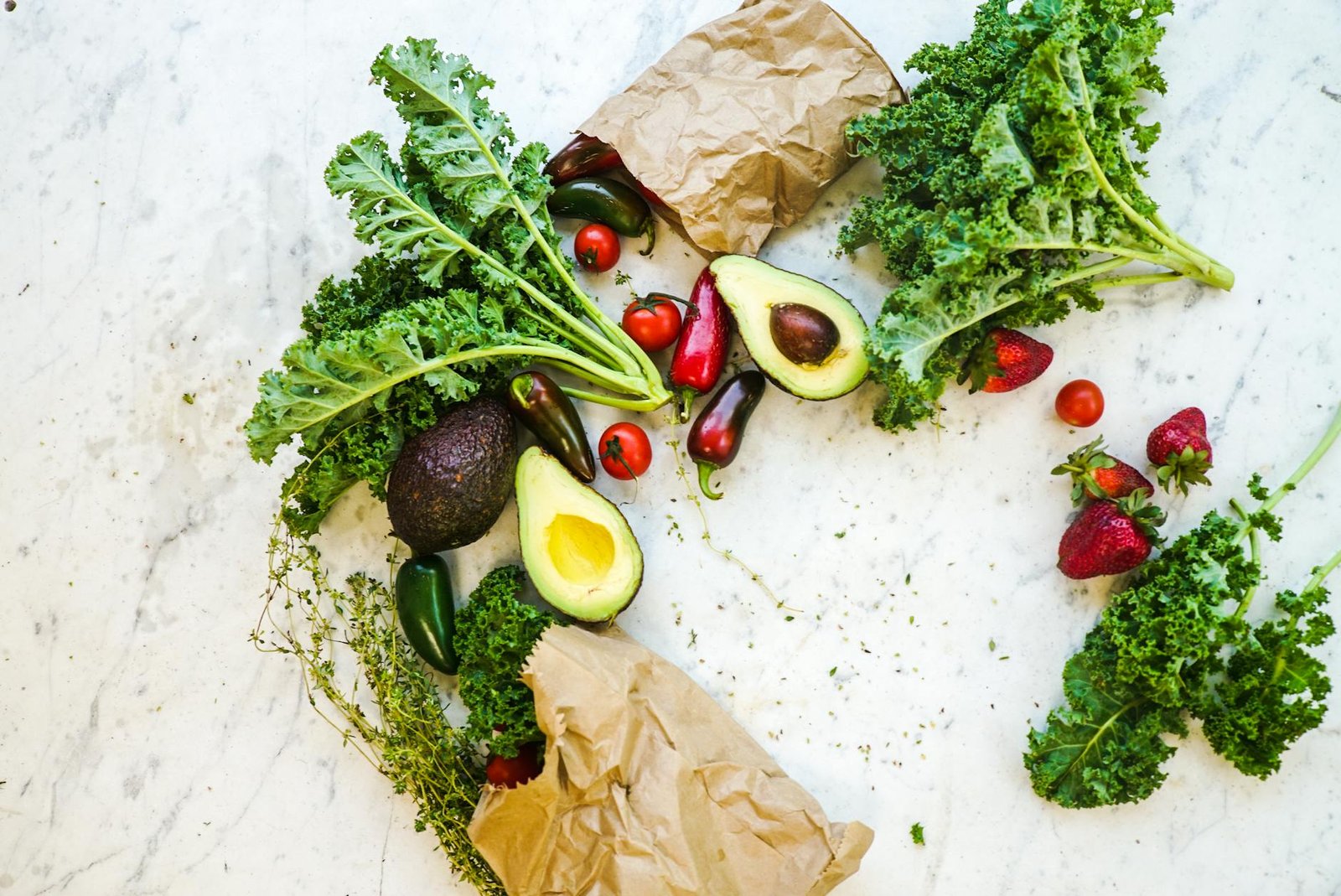
When incorporating a balanced diet into your daily life, smart grocery shopping is essential. Here are some tips to help you make healthier choices:
- Plan your meals before shopping
- Make a detailed grocery list
- Shop the perimeter of the store first
- Read nutrition labels carefully
- Choose whole foods over processed options
| Food Category | Healthy Choices | Foods to Limit |
|---|---|---|
| Fruits & Veggies | Fresh, frozen, or canned without added sugars | Canned with syrup, fried vegetables |
| Grains | Whole grains, brown rice, quinoa | White bread, refined pasta |
| Proteins | Lean meats, fish, legumes, tofu | Processed meats, high-fat cuts |
| Dairy | Low-fat milk, yogurt, cheese | Full-fat options, flavored milk |
Meal prep strategies
Meal prepping can save time and ensure you stick to your balanced diet. Try these strategies:
- Batch cook grains and proteins
- Chop vegetables in advance
- Prepare portable snacks
- Use portion-controlled containers
- Plan for variety to avoid boredom
Dining out while maintaining balance
Eating out doesn’t have to derail your balanced diet. Follow these tips:
- Review the menu online beforehand
- Choose grilled or baked options over fried
- Ask for dressings and sauces on the side
- Share entrees or take half home
- Opt for vegetable sides instead of fries
Healthy snacking options
Snacking can be part of a balanced diet when done right. Consider these options:
- Fresh fruit with nut butter
- Veggie sticks with hummus
- Greek yogurt with berries
- Hard-boiled eggs
- Homemade trail mix with nuts and dried fruit
By implementing these strategies, you can seamlessly incorporate a balanced diet into your daily routine, making healthier choices more manageable and sustainable. Next, we’ll explore how a balanced diet can contribute to effective weight management.

A balanced diet is the cornerstone of good health, providing our bodies with the essential nutrients needed for optimal functioning. By understanding the importance of macronutrients, micronutrients, and proper meal planning, we can make informed choices about our daily food intake. Avoiding common pitfalls and tailoring our diets to our individual needs ensures that we reap the full benefits of a balanced eating approach.
Embracing a balanced diet isn’t just about achieving weight management goals; it’s about nourishing our bodies and minds for long-term well-being. Start small by incorporating balanced meals into your daily routine, and gradually build healthier habits. Remember, a balanced diet is a lifestyle choice that pays dividends in improved energy, better health outcomes, and an overall enhanced quality of life. Make the commitment to prioritize your nutritional health today, and enjoy the positive impact it will have on your future.