
March 5, 2025
Did you know that up to 1 billion people worldwide are vitamin D deficient? This is linked to lower testosterone levels1. It shows how vital it is to keep testosterone levels in check for good health. Testosterone, key for male growth and health, drops with age. But, there are natural ways to boost it.
Testosterone in males hits its peak at 19 and then drops by 1%–2% each year after 301. This decline can affect muscle, bone, energy, and sex drive. Luckily, making lifestyle changes, eating right, and doing specific exercises can help boost testosterone levels.
Studies connect low testosterone with obesity, higher disease risk, and early death1. This shows why managing testosterone levels is key for health. By using natural ways to boost testosterone, you can live better and lower health risks from low testosterone.
Key Takeaways
- Vitamin D deficiency is widespread and linked to lower testosterone levels
- Testosterone naturally declines with age, starting after 30
- Low testosterone is associated with various health risks
- Natural methods can help boost testosterone levels
- Lifestyle changes and diet play crucial roles in testosterone production
- Exercise, particularly strength training, can increase testosterone
- Adequate sleep is essential for optimal testosterone levels
Understanding Natural Testosterone Production
Testosterone is key for men’s health, affecting muscle, bones, fat, and sex. It’s vital to know how testosterone works in your body.
The Role of Testosterone in Male Health
Testosterone does more than just boost sex drive. It helps keep muscles strong, bones dense, and energy up. It also plays a part in thinking and mood. But, too much can cause problems like acne and mood swings.
Normal Testosterone Levels by Age
| Age Group | Average Testosterone Level (ng/dL) |
|---|---|
| 20-29 years | 600-720 |
| 30-39 years | 500-620 |
| 40-49 years | 450-550 |
| 50+ years | 350-500 |
Signs of Low Testosterone
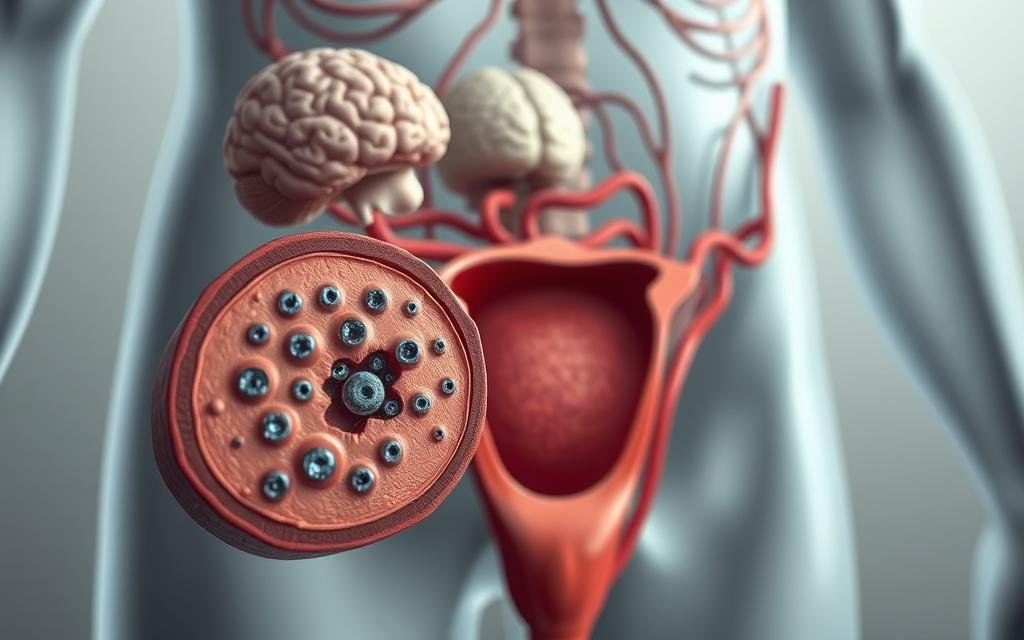
It’s crucial to understand testosterone’s role in your health. If you think you have low testosterone, talk to a doctor. They can help find the cause and treatment.
Exercise and Weight Training for Boost Testosterone
Exercise is key to boosting testosterone naturally. Both weight training and high-intensity interval training (HIIT) are effective. They help increase testosterone production.
Resistance Training Benefits
Weightlifting and strength training boost testosterone. Men see a big jump in testosterone after lifting weights. One 30-minute session can raise testosterone by 21.6%4.
Regular weight training offers long-term benefits. A year-long study found a 14.5% increase in testosterone in previously sedentary men4.
High-Intensity Interval Training (HIIT)

Optimal Exercise Duration and Frequency
A balanced workout routine boosts testosterone. Testosterone peaks 15 minutes to an hour after exercise. Evening workouts might have a bigger effect5.
For strength training, do full-body workouts with heavy weights and short rest periods. This maximizes testosterone production5.
| Exercise Type | Duration | Frequency | Testosterone Impact |
|---|---|---|---|
| Resistance Training | 30-45 minutes | 3-4 times/week | Significant increase |
| HIIT | 20-30 minutes | 2-3 times/week | Moderate increase |
| Cardio | 30-45 minutes | 2-3 times/week | Minimal impact |
Too much exercise can lower testosterone and raise cortisol. Listen to your body and rest enough. This helps keep your hormones and health in check5.
Dietary Strategies to Enhance Testosterone
Your diet is key to keeping testosterone levels healthy. Eating the right foods and nutrients helps your body make hormones naturally.
Protein-Rich Foods for Hormone Balance
Eating enough protein is vital for making testosterone. A 2021 study found that men who ate whole eggs after working out had more testosterone than those who ate egg whites6. Add lean meats, fish, and plant-based proteins like beans and lentils to your meals.
Healthy Fats and Their Impact
Healthy fats are important for hormone production. Extra-virgin olive oil may increase testosterone in healthy adults6. Fatty fish and fish oils, full of omega-3s, are good for health and hormone balance. Stay away from processed foods with trans fats, as they can lower testosterone and harm testicles6.
Essential Micronutrients
Remember, diet is important, but be careful with testosterone supplements. A 2020 study showed only 25% of supplements had proof they worked, and 10% could harm testosterone levels6. Always talk to a doctor before taking any supplements.
Sleep Quality and Testosterone Production
Your sleep habits are key to keeping testosterone levels in check. Just like diet and exercise, quality sleep is essential for hormone balance. Most of your daily testosterone is made during sleep, especially in REM cycles8.
Getting the right amount of sleep is crucial for testosterone. The ideal sleep time is 8.2 hours a night. Yet, 20% of adults in the USA sleep less than 6.5 hours8. To keep testosterone healthy, aim for 7-9 hours of quality sleep each night.
Sleep disorders can also affect testosterone levels. Obstructive sleep apnea (OSA) is common, affecting 41-53% of men in some populations8. While treating OSA doesn’t always raise testosterone, fixing sleep issues can improve health and support hormone balance.
| Sleep Duration | Effect on Testosterone |
|---|---|
| Less than 5 hours | 10-15% decrease |
| 6.5-7 hours | Suboptimal levels |
| 7-9 hours | Optimal levels |
To boost sleep quality and testosterone, stick to a sleep schedule. Make your bedroom sleep-friendly and manage activities before bed. Good sleep habits are key to maintaining healthy testosterone and overall well-being.
Stress Management and Cortisol Control
Stress affects your health, especially your hormone balance. Knowing how stress impacts your body is key. Learning to manage stress can help keep your testosterone levels healthy.
Impact of Chronic Stress
Chronic stress can harm your body, causing low testosterone among other issues. A study showed that high cortisol levels can lower testosterone in patients with type 2 diabetes mellitus (T2DM)11. This means stress can reduce testosterone production.
Stress Reduction Techniques
There are ways to manage stress and control cortisol levels, which can help testosterone:
- Deep breathing exercises: These can lower blood pressure, heart rate, and cortisol levels12.
- Regular physical activity: Exercise reduces stress and may increase testosterone.
- Healthy diet: Eating fruits, vegetables, and whole grains can lower cortisol levels12.
- Omega-3 fatty acids: Fatty fish or supplements can reduce cortisol levels12.
Lifestyle Modifications
Changing your lifestyle can also impact stress and hormone balance:
- Limit caffeine intake: Too much caffeine raises cortisol levels. Try to limit coffee to one cup a day12.
- Improve sleep quality: Poor sleep increases cortisol. Aim for consistent sleep12.
- Vitamin D supplementation: It may help manage stress and cortisol levels12.
- Time management: Focus on priorities and set achievable goals to reduce stress.
By adopting these stress management strategies and lifestyle changes, you can help control cortisol levels. This may also improve your testosterone production.
Vitamin D and Mineral Supplementation
Boosting testosterone levels naturally is more than just exercise and diet. Vitamins and minerals are key in hormone production. Let’s look at how vitamin D and zinc can affect your testosterone levels.
Zinc Requirements
Zinc is vital for testosterone production. It helps make and release luteinizing hormone, which tells the testes to make testosterone. Men with low testosterone often see benefits from zinc supplements, especially if they’re deficient.
| Age Group | Recommended Daily Zinc Intake |
|---|---|
| Adult Men (19+ years) | 11 mg |
| Adult Women (19+ years) | 8 mg |
| Pregnant Women | 11-12 mg |
Vitamin D Sources
Vitamin D deficiency can lower testosterone levels. A study of 200 nondiabetic subjects showed vitamin D supplements greatly increased testosterone. Total testosterone went from 10.7 to 13.4 nmol/l, and free testosterone from 0.222 to 0.267 nmol/l13.
Sunlight is the best natural source of vitamin D. You can also get it from:
- Fatty fish (salmon, tuna)
- Egg yolks
- Fortified foods (milk, cereals)
Other Beneficial Supplements
While zinc and vitamin D are key, other supplements can also help testosterone production:
- Magnesium: Helps convert vitamin D to its active form
- Vitamin B6: Regulates androgens
- D-Aspartic Acid: May increase testosterone in some men
A Danish study showed testicular tissue with activated vitamin D made more testosterone than without14. This highlights the need for enough vitamin D for testosterone production.
While testosterone supplements can help, always talk to a healthcare professional before starting. They can check for deficiencies and suggest the right amounts for you.
Environmental Factors Affecting Testosterone
Your surroundings greatly affect your hormone health. Many everyday items contain chemicals that can mess with your testosterone levels. Bisphenol A (BPA), phthalates, and parabens are found in common products and can interfere with your hormones, potentially lowering testosterone15.
Heavy metals like lead, mercury, and cadmium, often present in industrial settings and contaminated water, can harm testosterone production. Air pollution, especially fine particles (PM2.5), has been linked to hormone imbalances15.
Pesticides, herbicides, and household cleaning products can also disrupt your endocrine system. Even long-term exposure to electromagnetic fields from electronic devices might affect your hormones, though research is ongoing15.
Tips to Protect Your Testosterone
- Use BPA-free and phthalate-free products
- Choose organic produce when possible
- Reduce plastic container use
- Use air purifiers and improve home ventilation
- Practice stress-reduction techniques like meditation
- Get regular exercise and adequate sleep
By taking these steps, you can help shield your body from environmental toxins and maintain healthier testosterone levels. Remember, a proactive approach to reducing exposure to harmful chemicals and stressors can significantly impact your overall well-being15.
| Environmental Factor | Impact on Testosterone | Mitigation Strategy |
|---|---|---|
| Endocrine Disruptors (BPA, phthalates) | Interfere with hormone systems | Use BPA-free products, avoid plastic containers |
| Heavy Metals | Negatively impact testosterone production | Filter drinking water, avoid contaminated areas |
| Air Pollution | Causes inflammation, oxidative stress | Use air purifiers, improve ventilation |
| Pesticides and Herbicides | Disrupt endocrine function | Choose organic produce when possible |
| Chronic Stress | Inhibits testosterone production | Practice stress-reduction techniques, exercise regularly |
Natural Foods That Boost Testosterone
Eating the right foods is key to keeping testosterone levels healthy. Let’s look at some natural foods that can help.
Fish and Seafood Options
Plant-Based Testosterone Boosters
Beneficial Herbs and Spices
Remember, a balanced diet is essential. Eating low-fat, high-fiber foods can lower testosterone, while a high-carb diet can increase it18. Adding these natural boosters to your meals can help support your body’s hormone production.
Lifestyle Habits to Avoid
Some lifestyle choices can really affect your testosterone levels. Knowing and avoiding these habits can help keep your hormones balanced. This way, you can avoid any negative effects of low testosterone.
Alcohol Consumption
Too much drinking can harm your hormones. Drinking a lot can lower testosterone in men19. It’s wise to drink less or not at all to keep your hormones in check.
Chemical Exposure
Chemicals in plastics, personal care items, and pesticides can mess with testosterone. Choose natural products and use fewer plastic items to lower this risk.
Poor Sleep Patterns
By changing these habits, you can keep your testosterone levels healthy. Small daily changes can make a big difference in your hormone health.
Conclusion
Boosting testosterone levels naturally is a journey. It involves making lifestyle changes and adopting healthy habits. Regular exercise, especially resistance training and high-intensity interval training, helps a lot. These activities boost hormone release and muscle growth21.
Eating a balanced diet is also key. It should include protein, healthy fats, and essential micronutrients. Quality sleep and managing stress are also important for hormone balance. Vitamin D and zinc supplements can help if you’re lacking22.
Your journey to better testosterone levels is part of a bigger path to health and happiness. By making these changes, you’re investing in your future health and quality of life.
FAQ
What are the main signs of low testosterone?
Signs of low testosterone include less sex drive, feeling tired, and less muscle. You might also gain more body fat, feel moody, and have trouble getting an erection. If you notice these signs, talk to a doctor to check your levels.
How does exercise boost testosterone levels?
Working out, especially with weights and HIIT, can help make more testosterone. This is because it builds muscle and improves fitness. Try to work out with weights 3-4 times a week, focusing on big exercises like squats and bench presses.
What foods can naturally boost testosterone?
Eating foods like fatty fish, oysters, eggs, and lean meats can help. Also, eat veggies like broccoli and cauliflower, and foods with vitamin D and magnesium. Some herbs like ginger and fenugreek might also help.
How does sleep affect testosterone production?
Sleep is key for making testosterone, especially during REM sleep. Not sleeping well can lower testosterone. Try to sleep 7-9 hours each night to help your hormones.
Can stress impact testosterone levels?
Yes, stress can lower testosterone. Stress makes your body produce more cortisol, which can block testosterone. Try to reduce stress with meditation, deep breathing, exercise, and a good work-life balance.
Are there any supplements that can help boost testosterone naturally?
Supplements like vitamin D, zinc, magnesium, and B6 might help. But, use them only if you’re missing these nutrients. Always talk to a doctor before taking any supplements.
How do environmental factors affect testosterone levels?
Things like plastics, personal care products, and pesticides can harm testosterone. Use BPA-free items, choose natural personal care, and eat organic to reduce these effects.
Can alcohol consumption affect testosterone levels?
Yes, too much alcohol can hurt testosterone and testicular health. It can mess with hormone making and use, lowering testosterone. Drink in moderation to keep your testosterone healthy.
At what age do testosterone levels typically start to decline?
Testosterone starts to go down after 30, more after 40. But, how fast it goes down varies. A healthy lifestyle can help slow down this natural drop.
How effective are natural methods for boosting testosterone compared to medical treatments?
Natural ways like exercise, good food, sleep, and managing stress can really help. But, if your testosterone is very low, you might need medical help. Always talk to a doctor to find the best way for you.
Source Links
- https://www.healthline.com/nutrition/8-ways-to-boost-testosterone – 8 Ways to Increase Your Testosterone Levels Naturally
- https://my.clevelandclinic.org/health/articles/24101-testosterone – Testosterone: What It Is, Function & Levels
- https://www.nih.gov/news-events/nih-research-matters/understanding-how-testosterone-affects-men – Understanding How Testosterone Affects Men
- https://www.healthline.com/health/does-working-out-increase-testosterone – Exercises That Increase Testosterone Levels, Plus Those That Don’t
- https://www.webmd.com/men/features/exercise-and-testosterone – Does Working Out Lift Men’s Testosterone Levels?
- https://www.medicalnewstoday.com/articles/323759 – The best foods to boost low testosterone
- https://www.va.gov/WHOLEHEALTHLIBRARY/tools/improving-low-testosterone-naturally.asp – VA.gov | Veterans Affairs
- https://pmc.ncbi.nlm.nih.gov/articles/PMC3955336/ – The relationship between sleep disorders and testosterone in men
- https://pmc.ncbi.nlm.nih.gov/articles/PMC4445839/ – Effect of 1 Week of Sleep Restriction on Testosterone Levels in Young Healthy MenFREE
- https://www.sleepfoundation.org/physical-health/sleep-and-testosterone – The Link Between Sleep and Testosterone | Sleep Foundation
- https://pmc.ncbi.nlm.nih.gov/articles/PMC9830570/ – Stress Induced Cortisol Release Depresses The Secretion of Testosterone in Patients With Type 2 Diabetes Mellitus
- https://www.hcahoustonhealthcare.com/healthy-living/blog/how-to-reduce-stress-hormones-5-ways-to-lower-cortisol-levels – How to reduce stress hormones: 5 ways to lower cortisol levels | HCA Houston Healthcare
- https://pubmed.ncbi.nlm.nih.gov/21154195/ – Effect of vitamin D supplementation on testosterone levels in men – PubMed
- https://sciencenews.dk/en/vitamin-d-increases-testosterone-production – Vitamin D increases testosterone production
- https://otmenshealth.com/environmental-influences-that-lower-testosterone-levels-a-deep-dive/ – Environmental Influences That Lower Testosterone Levels: A Deep Dive | Overtime Men’s Health
- https://www.health.com/foods-that-boost-testosterone-naturally-7253553 – These 10 Foods May Boost Testosterone Naturally
- https://www.healthline.com/nutrition/testosterone-boosting-food – 7 Foods That May Help Boost Testosterone, According to a Dietitian
- https://www.numan.com/low-testosterone/increase/testosterone-diet – Testosterone diet: the ultimate meal plan
- https://www.ondemand.labcorp.com/blog/how-to-boost-testosterone-levels?srsltid=AfmBOooIMO2bPTHrwdeV0k4Yscvo44EsUhlH_xAb4Zo40UUMyC3_GoE8 – How to boost testosterone levels through healthy habits
- https://healthcare.utah.edu/the-scope/all/2016/01/lifestyle-changes-can-increase-testosterone-levels – Lifestyle Changes That Can Increase Testosterone Levels
- https://www.ncbi.nlm.nih.gov/books/NBK526128/ – Physiology, Testosterone – StatPearls – NCBI Bookshelf
- https://www.ncbi.nlm.nih.gov/books/NBK216175/ – Testosterone and Health Outcomes – Testosterone and Aging